


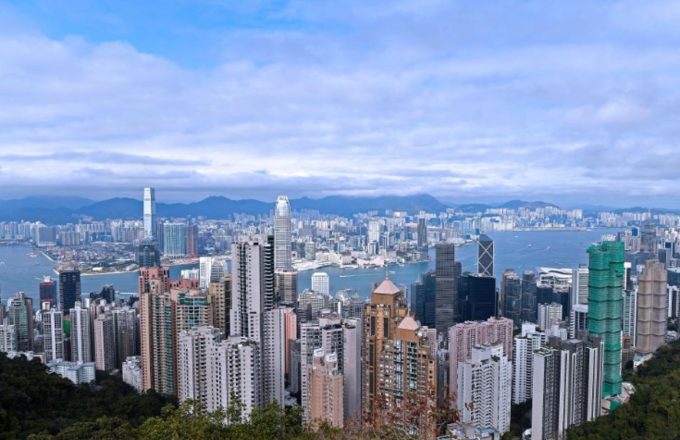
With ten consecutive strong quarters to date, what is driving Hong Kong’s growth? Thanks to the latest 3.1% year-on-year increase in GDP for the last quarter, reaching two-and-a-half years of positive growth, Hong Kong's economy has remained resilient and impressively strong. Prof. Heiwai Tang, Associate Vice-President of HKU and Director of the Asia Global Institute, commented that, including its strong exports, Hong Kong’s strong financial sector greatly helped the city’s economic outlook.
9 Aug 2025
Faculty
We have been listening to discussions about Labubu’s innovative marketing and customer engagement, given its global success today. However, how can it shed light on Hong Kong’s RWA economy?
7 Aug 2025
As cryptocurrencies, stablecoins are pegged to another asset, typically the US dollar, another fiat currency, or a financial asset such as gold or the US Treasury bonds. The issuance mechanism of stablecoins is characterized as either centralized or decentralized. The supply of stablecoins relies on reserves held in assets or cryptocurrencies to maintain their value.
7 Aug 2025
Faculty
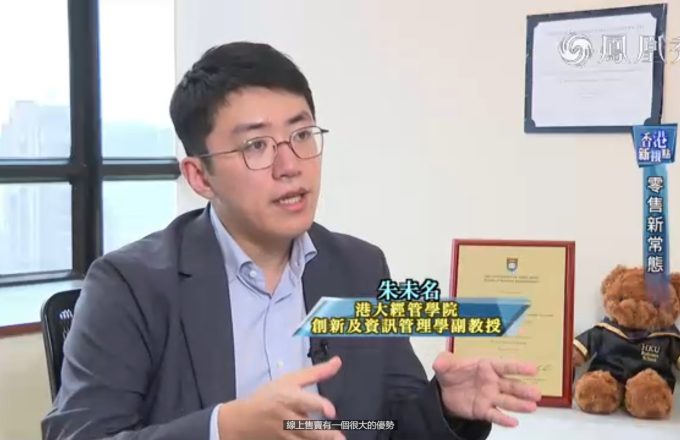
In a recent interview with Phoenix TV, Prof. Weiming Zhu, Associate Professor in Innovation and Information Management at the HKU Business School, shared his insights on the transformative power of online retail.
5 Aug 2025
Faculty
The Census and Statistics Department of Hong Kong released Hong Kong’s second-quarter GDP estimates (3.1%), surpassing both market expectations and the revised first-quarter figures. Prof. Heiwai Tang, Associate Vice-President of HKU and Director of the Asia Global Institute, noted that, supported by improvement in the financial market, the local economy is expected to remain buoyed by improvements in the financial sector.
1 Aug 2025
Faculty
Typically issued by private institutions, stablecoins are digital currencies that are pegged one-to-one to a fiat currency or collateralized by a reference asset. Currently, 99% of the world’s stablecoins are backed by the US dollar and US dollar-denominated assets, with USDT and USDC dominating the global market and accounting for a combined circulating supply worth more than US$220 billion. Circle has completed its listing in the US.
30 Jul 2025
Faculty
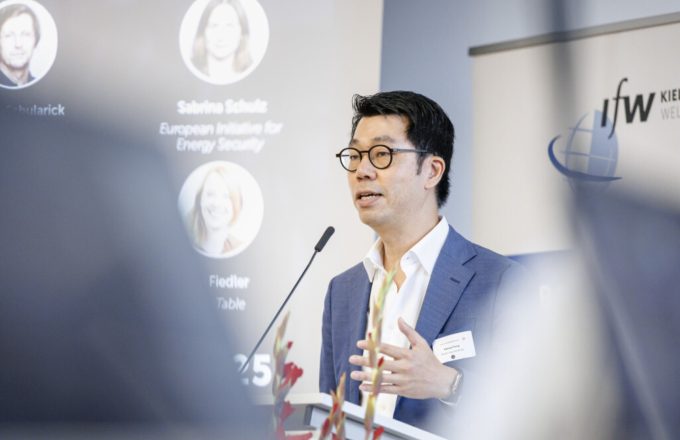
In a recent and thought-provoking interview and as part of the IfW Kiel's Global China Conversations series, Prof. Heiwai Tang, Associate Vice-President of HKU and Director of the Asia Global Institute, shed light on the deeper dynamics behind China’s industrial strategies.
28 Jul 2025
Faculty
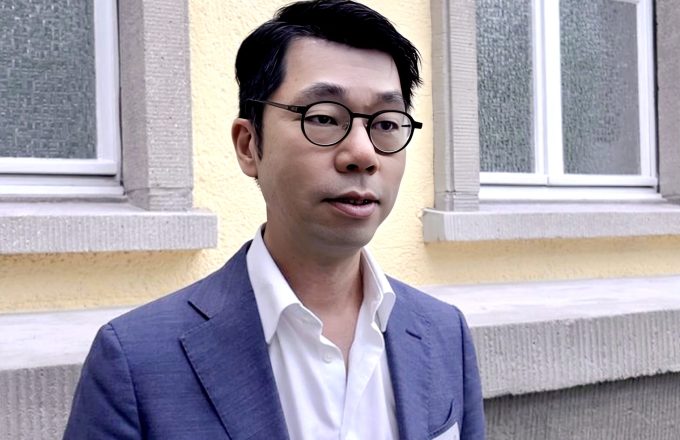
In an interview with Deutsche Welle (DW), Prof. Heiwai Tang, Associate Vice-President of HKU and Director of the Asia Global Institute, explained that mainland Chinese enterprises face a "go global or go bust" situation due to intense domestic competition and tariff pressure on their export businesses. He noted that while these enterprises possess strong competitive advantages and productivity, they must still adapt to local cultures, such as management and political cultures, when expanding overseas.
26 Jul 2025
Faculty
In 2023, the Belgian newspaper Dernière Heure revealed that the ride-hailing platform Uber charges different prices to users based on their phone’s battery level.[1] Specifically, for the same trip, if your phone has 84% battery remaining, Uber charges 16.6 euros; but if you only have 12% battery left, the price rises to 17.56 euros. The logic behind this pricing is obvious: if your phone is about to run out of battery, you’re probably in no position to wait, and have no choice but to accept Uber’s higher price
25 Jul 2025