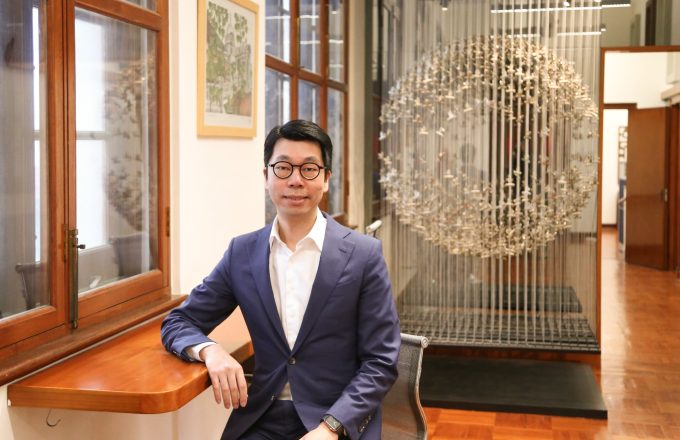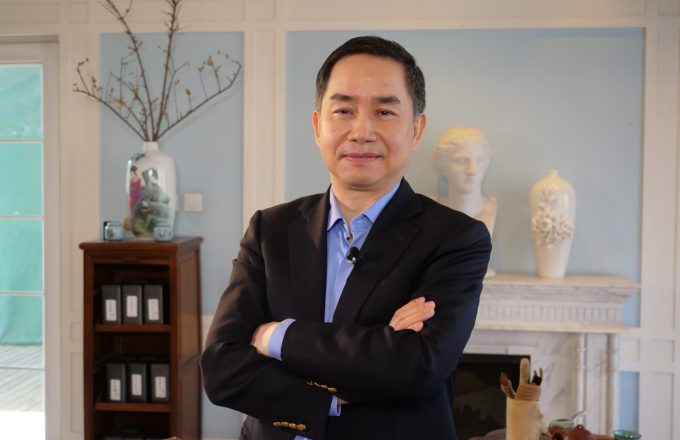



After 3 years of the pandemic, Hong Kong's economy is still struggling to recover, despite supportive government measures. Professor Heiwai Tang, Associate Dean of HKU Business School and Director of Asia Global Institute, gave an interview to HKET iMoney and mentioned that over the past three years, Hong Kong has been lagging behind in terms of competitiveness and the quality of service industry. On the contrary, mainland China and neighbouring countries invested and improved on infrastructure quality and digital economy development. Furthermore, there is a decline in the quality of service in the retail and restaurant sectors, resulting in public dissatisfaction. Combined with cautious consumer spending due to the economic downturn, Hong Kong residents are more inclined to spend their money in neighbouring regions to seek better services and experiences. This preference for spending elsewhere further hampers the recovery process. Other interviewees believe, as the economy gradually recovers after the pandemic, businesses should consider adapting to market demands by adjusting their production and operational models, or even transforming their business strategies. Such proactive, solutions-oriented mindset will undoubtedly help mitigate risks and increase profitability. Additionally, the government should expedite the approval process for funding initiatives for SME, thus accelerating the process of productivity enhancement and the market explorations beyond Hong Kong.
27 Feb 2024
Finance
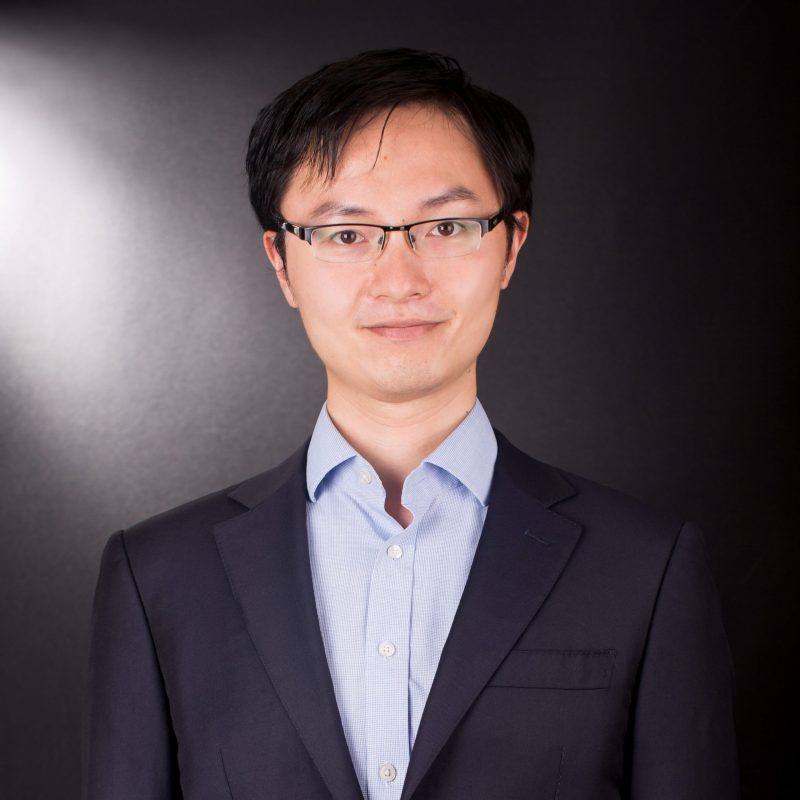
Due to the aforementioned socioeconomic issues faced by the city, among other reasons, hundreds of thousands of Hong Kong’s working-age population and their families have emigrated abroad. Simultaneously, hundreds of thousands of people, some attracted by the Hong Kong government’s ambitious talent programs, have arrived in Hong Kong in the past year. What are the implications of these population flows on the city’s labor force and talent pool? Dr. Alan Kwan, Prof. Heiwai Tang, and Dr. Michael B. Wong have analyzed LinkedIn profile data and government statistics to evaluate Hong Kong’s labor market and economic prospects.
26 Feb 2024
Faculty
2024 marks the fifth anniversary of the Outline Development Plan for the Guangdong-Hong Kong-Macao Greater Bay Area. However, given the weak consumption, the trend of "Going North", the sluggish performance of the stock and real estate markets and the geopolitical elements, Hong Kong's economy has been struggling. What could be the possible solutions?
23 Feb 2024
Economics
可持續投資方興未艾,2023年資產總值已增至3萬億美元;可持續基金的表現勝過2022年,惟在不同資產類別卻表現不一。據美國金融服務公司晨星(Morningstar)去年12月發表的報告,若與傳統基金相比,可持續基金略見遜色。
21 Feb 2024
Faculty
Feb 18 marks the 5th anniversary of China's ambitious plan to transform the Greater Bay Area into a leading tech hub by 2035. Yet, has the region made progress as intended? Is Hong Kong fulfilling its role in attracting foreign investors? Prof. Heiwai Tang, Associate Dean of HKU Business School and Director of Asia Global Institute, shared his insights with South China Morning Post SCMP and mentioned that global geopolitical tensions, especially during the US election years and Beijing's ambitious policies to restructure certain industries in recent years have created uncertainty for Hong Kong and China's economic growth. Though significant progress has been made in collaboration within the bay area, especially in green technology, finance, and overall innovation as emphasised by Financial Secretary Mr. Paul Chan Mo-po, other interviewees indicated that it takes time for Hong Kong to fully promote the favourable benefits of investing here, i.e. investors can enjoy the economic advantages of the bay area as a whole.
21 Feb 2024
Finance
Chen Zhiwu, chair professor of finance at the University of Hong Kong, compared China’s new housing strategy to the way Beijing uses its so-called “national team” of state funds to buy equities to try to prop up the depressed stock market. Such efforts have often failed to sustainably bolster the market. Using government money to buy up distressed real estate would be no different, he said, given the country’s demographic challenges and supply glut. Government interventions could also raise uncomfortable questions about social fairness, he said. Buying properties from existing homeowners or developers when the market is weak would amount to using national resources to subsidize owners who have the flexibility to sell, when others don’t, he said. “It turns into an issue of wealth distribution,” he said. “Not everyone in China owns multiple apartments, nor are they ready to sell.”
19 Feb 2024
Finance
近10年來,香港一直面對分間樓宇單位(俗稱「劏房」)激增的困局。窮等人家蝸居在擁擠不堪的非人居住環境,此等影像令人心痛,亦有損香港聲譽。
15 Feb 2024
Faculty
Chen Zhiwu, chair professor of finance at the University of Hong Kong, said “The biggest deflation factor is the high sense of insecurity among businesspeople, private firms and officials”. He said “No one feels really secure about tomorrow.”
14 Feb 2024
Finance
經過兩次大戰的生靈塗炭,歐洲人終於化干戈為玉帛,把精力用在經濟合作,一來有利於發展經濟,二來防止再度戰爭。數十年來,歐洲的經濟整合緩慢但穩步發展,從五十年代只有6個成員的歐洲共同市場,發展到今天27個成員的歐盟,而合作的內容,從開始時的煤炭和鋼鐵,到今天20個成員共用的歐羅。
7 Feb 2024
Faculty