


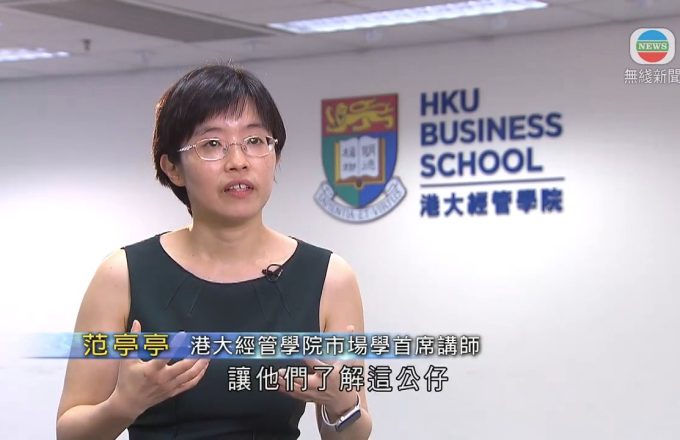
How can Hong Kong’s creative industries shine on the global stage? Hong Kong has long been renowned for its intellectual property-linked commercial industries, such as local handmade figurines and models. This, in turn, has nurtured many outstanding artists. Lung Ka-sing, for example, creator of the popular Labubu toy line, hails from Hong Kong. He was brought to fame thanks to Pop Mart, a Mainland company that picked Lung and showcases the strength of Hong Kong’s local creativity. In an interview with TVB News, Dr. Tingting Fan from HKU Business School explained that Pop Mart has fully integrated its online and offline channels. Offline stores are designed to attract consumers and introduce them to the toys. She remarked, “When someone buys [a Labubu toy], the company then uses online channels to learn more about this customer’s shopping preferences. In my opinion, this is exactly what Hong Kong needs: a more sophisticated and comprehensive business model [like Pop Mart’s].” Dr. Fan also suggested that the government should provide platforms to boost exposure for local artists, helping to propel Hong Kong’s creative industries to new heights.
18 May 2025
Faculty
Have you noticed how, historically, industrial revolutions across various nations mainly impacted low-income jobs? What’s different now is that the current wave in artificial intelligence seems different. AI not only automates entry-level positions but also has the potential to replace high-skilled, high-income roles. According to the International Monetary Fund (IMF), AI could affect up to 40% of global employment. That figure could be as high as 60% in developed economies like Hong Kong.
16 May 2025
Hong Kong has long recorded successful performance in its four pillar industries, comprising trading and logistics, financial services, professional and producer services, and tourism. According to research by the Hong Kong SAR Government, they contributed close to 60% of the Gross Domestic Product (GDP) and almost half of the total employment before COVID 19. However, all four of these pillars have experienced a decline in their respective areas as a result of the rapid changes in market needs and user behaviour, regional and global competition, the development of new value chains, the impact of advanced technologies, and changes in the geopolitical environment. To address such challenges, “innovation” has been introduced to tackle these pain-points of Hong Kong. The question is how we should develop innovation strategies instead of coming up with ideas just for the sake of “innovation”. This article will discuss how innovation strategy can be approached from the perspective of poverty alleviation and how the Web3 industry may develop―both topics likely to shed light on how best to chart Hong Kong’s future course of development.
14 May 2025
Faculty
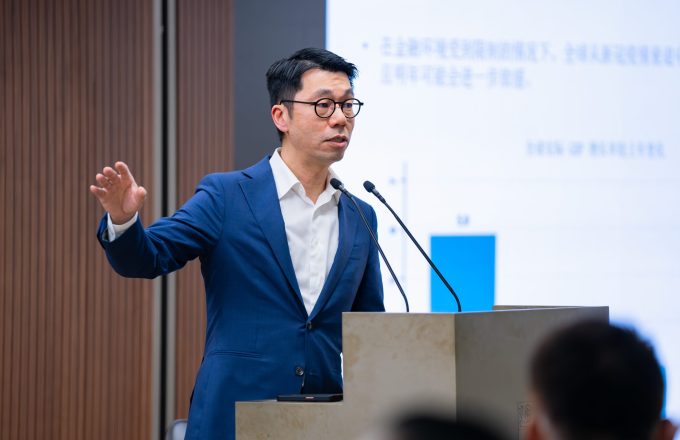
Will Hong Kong continue its economic boost thanks to AI-supported manufacturing? Hong Kong's industrial sector may continue to add a major boost to the city’s economy. In a recent study commissioned by the Federation of Hong Kong Industries and conducted by the Hong Kong Institute of Economics and Business Strategy at the University of Hong Kong, the potential of "Made-in-Hong Kong" products to shine was highlighted. Specifically, this would come through technology, automation, and strategic government support. The study found that in 2023, the industrial sector added about HK$127 billion to the economy thanks to new high-end manufacturing in microelectronics, biotechnology, and the food industry. Prof. Heiwai Tang, Associate Dean of HKU Business School and Director of the Asia Global Institute, led the study that emphasised the importance of adapting to the changing global landscape. While many companies have successfully reduced their reliance on the US market, those who haven't embraced transformation face significant financial risks. The report suggested Hong Kong was on the right track by strengthening its collaboration within the Greater Bay Area, ASEAN, and other regions. Commenting on the effect of not responding to the evolving market conditions, Prof. Tang said, “The first consequence is one would incur significant financial losses, and secondly, if one were to try to set up a new factory now, it would take years before seeing profits.”
13 May 2025
Faculty
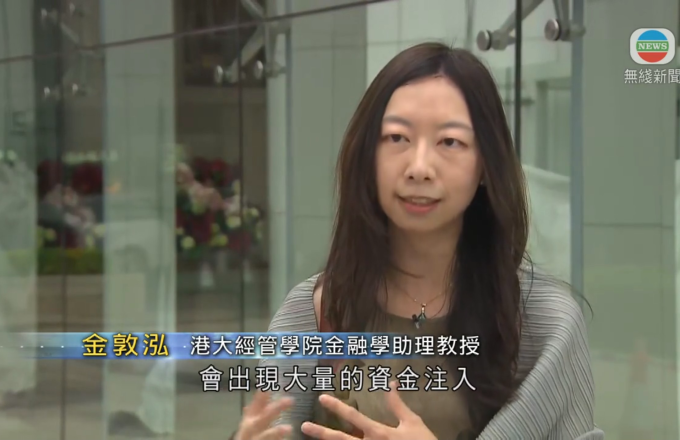
How will the recent drop in HIBOR shape the future of Hong Kong’s property market and financial landscape? In an interview with TVB News, Prof. Dunhong JIN from HKU Business School noted that the recent decline in the Hong Kong Inter-bank Offered Rate (HIBOR) could provide short-term benefits for the property market. That said, the long-term outlook will depend on sustained interest rate trends and overall confidence in Hong Kong’s economy. "It is expected that in the near future, large-scale IPOs will attract significant capital inflows,” she continued, “but given the current situation, with no immediate prospect of US interest rate cuts, it’s uncertain whether HIBOR can remain at low levels for long."
8 May 2025
Faculty
Released by the International Monetary Fund (IMF) in April 2025, the World Economic Outlook significantly lowered global economic growth forecast from 3.3% in January 2025 to 2.8%. The report identifies China and India as the main growth engines, with the two countries predicted to contribute 23% and over 15% respectively to global economic growth in the next five years. The estimated contribution from America, nevertheless, has been lowered to 11.3% in view of the uncertainties surrounding its tariff policy.
7 May 2025
Faculty
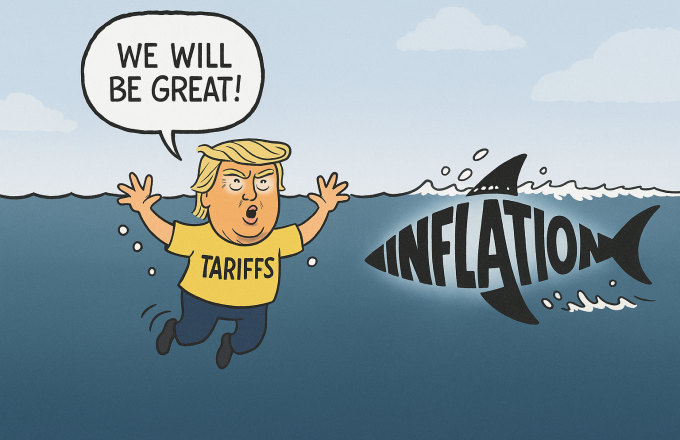
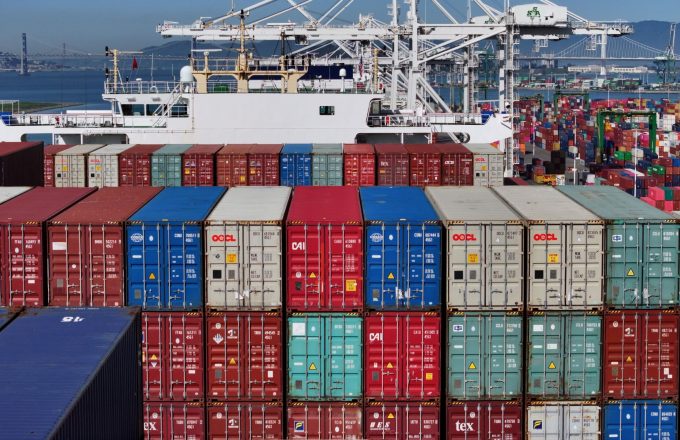
Will consumers pay more because of double tariffs from China due to the trade war? Prof. Heiwai Tang, Associate Dean of HKU Business School and Director of the Asia Global Institute, offered his perspective on how the trade war has placed foreign companies in China at the centre of a double-tariff squeeze. He was included in a Financial Times article on the broader implications for businesses and economies worldwide.
1 May 2025
Chen Zhiwu, chair professor of finance at the University of Hong Kong, said: “Gold has benefited tremendously from the erratic exercise of power by US President Donald Trump, making the US dollar and dollar assets less trustable and forcing international investors to diversify away.”
1 May 2025
Faculty
After seven years of negotiations, the world's largest free trade agreement—the Regional Comprehensive Economic Partnership (RCEP)—officially took effect on January 1, 2022. Member countries account for nearly 30% of the world's population and over one-third of global GDP.
30 Apr 2025
Faculty