Exciting news from Tokyo! On 29 October 2025, we inaugurated the HKU Business School Japan Alumni Network at the Hilton Tokyo—our third international alumni network. With 100+ HKU Business School alumni based in Japan, we were delighted to welcome over 60 attendees, including prospective students and leaders who connect Hong Kong and Japan in business and education.
Mr. Sachin Tipnis, Senior Executive Director at HKU Business School, opened the evening with insights on the School’s global vision and our MSc and MBA programmes.
Our distinguished speaker, Professor Heiwai Tang, Associate Dean (External Relations) at HKU Business School and Associate Vice-President (Global) at The University of Hong Kong, delivered a masterclass on “Geopolitical Shifts and the Future of the Hong Kong Economy,” followed by a lively fireside chat moderated by Ms. Noriko Liu, Inaugural President of the HKU Business School Japan Alumni Network and Regional Head of Marketing at Hilton.
We also held a special inauguration ceremony where Ms. Alice Hui, Head of Development & Alumni at HKU Business School, recognized our newly appointed Executive Committee members: Ms. Noriko Liu, Ms. Aya Higashio, Mr. Hironori Fujita, Mr. Hiromasa Oda, Mr. Keita Kanda, Mr. Kogaku Tanaka, Ms. Mari Kuchinishi and Mr. Yuta Shirahata. Representing the Committee, Ms. Liu shared heartfelt remarks on behalf of the team.
We were honoured to welcome Mr. Hitoshi Noda, former Consul-General of Japan in Hong Kong; Professor of Practice Philip Chen (HKU Business School), Visiting Professor at Sophia University (Tokyo); Professor Yoshiko Nakano; and senior representatives from the Hong Kong Economic and Trade Office (Tokyo) and InvestHK.
We look forward to what the future holds for the HKU Business School Japan Alumni Network under the trusted and capable leadership of our alumni leaders.
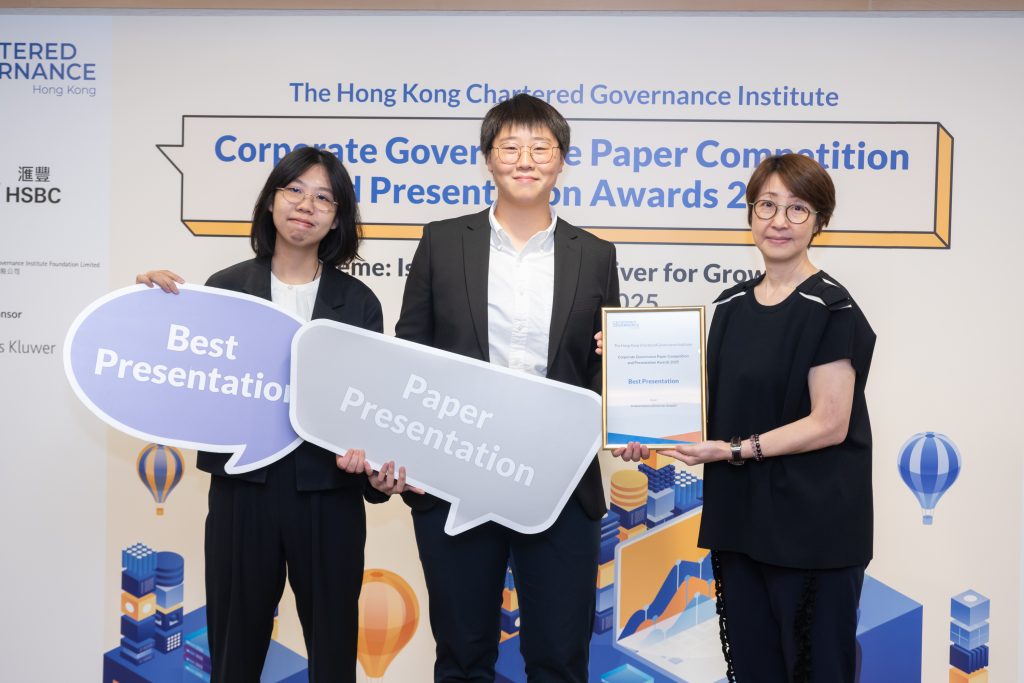
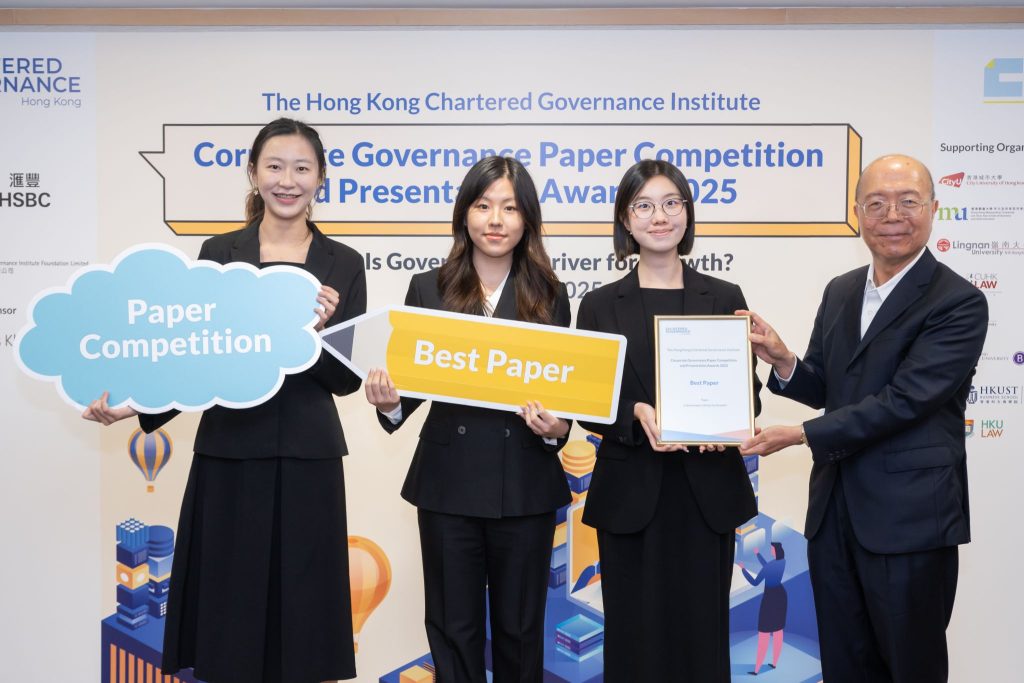
We are proud to announce that our student teams achieved outstanding results at the HKCGI Corporate Governance Paper Competition and Presentation Awards 2025!
Our students won the Best Paper Award and 1st Runner-up in the Paper Writing Competition, the Best Presentation Award and 2nd runner-up in the Paper Presentation Competition, and the Audience’s Favourite Team Award.
The theme of this year’s competition is “Is Governance a Driver for Growth?”. It aimed to promote the importance of good governance among local undergraduate students and provide them with a platform to research, write, and present their findings and innovative solutions on the theme.
Our student demonstrated exceptional analytical and presentation skills throughout the competition. Congratulations to all team members on their outstanding performance!
Best Presentation Award (Paper Presentation Competition)
1st Runner-up (Paper Writing Competition)
Audience’s Favourite Team Award
Team Members:
Miss Choi Pik Yu, BBA(IBGM), Year 3
Miss Wu Yingqi, BBA(IBGM), Year 3
Best Paper Award (Paper Writing Competition)
2nd Runner-up (Paper Presentation Competition)
Team Members:
Miss Liu Man Wai, LLB, Year 3
Miss Huang Xinyi, BSS(Govt&Laws)&LLB, Year 3
Miss Zhao Qianli, BBA(Law)&LLB, Year 3
Student Sharing:
“Participating in the HKCGI Corporate Governance Paper Competition and Presentation Awards 2025 was certainly a remarkable and rewarding learning experience. From completing the paper to presenting our findings to the Panel Judges, our team has genuinely enjoyed the process of exploring and diving deep into the theme of governance. Not only has it enriched our knowledge of the global business environment, but it has also enabled us to polish our research, presentation and teamwork skills. I am truly grateful for the collaboration, team spirit and friendship Lexie and I have developed and the memories we have created along the way. A great thank you to everyone who has given us the opportunity, support and recognition which has made our journey incredible.”
(By Miss Choi Pik Yu, Penelope)
“Participating in the HKCGI Corporate Governance Paper Competition and Presentation Awards 2025 was a profoundly rewarding challenge. As a team of only two, my teammate Penelope and I developed a tight-knit, highly efficient partnership. This unique dynamic pushed us to deeply master every facet of corporate governance, significantly sharpening both our academic writing and presentation skills. Our small team size became our greatest asset, allowing us to be incredibly nimble in incorporating feedback from the presentation skills coach and refining our work with speed and precision. The experience was not just about the competition, but about forming a collaborative bond built on mutual trust and a wish to excel.”
(By Miss Wu Yingqi, Lexie)
“Participating in this competition was an incredibly valuable experience. By focusing on the development of startups, our team gained a deeper understanding of their growth paths, the structural governance challenges they face and how effective corporate governance frameworks can foster their sustainable growth. Through literature review and case study, we connected theoretical governance principles with real-world business challenges. The presentation stage further sharpened our communication and teamwork skills, as we worked together to find the most effective and engaging way to present our ideas clearly under time pressure.”
Bringing together scholars from HKU, CUHK, HKUST and HKBU, the event marked the beginning of a new local academic exchange platform for economic historians.
The Centre for Quantitative History (CQH) successfully held the first Hong Kong Economic History Workshop on October 17, 2025, at May Hall, The University of Hong Kong.
As the inaugural event of this new workshop series, the meeting brought together scholars from leading local institutions — HKU, CUHK, HKUST and HKBU — to strengthen the research network among economic historians in Hong Kong and promote deeper academic exchange in the field of economic history (EH).
Speakers included Professors Ying Bai (CUHK), Sijie Hu (HKU), Yu-Hsiang Lei (HKUST), Yuqi Chen (HKU),Ting Chen (HKBU), Chun-Fung Tong (HKU), Jinlin Wei (HKUST), Sangyoon Park (HKUST), and Mark Hup (CUHK). The well-attended workshop featured thought-provoking discussions on topics such as institutional development, economic growth, and historical networks in East Asia.
Reflecting on the lively event, Professor Chicheng Ma, Associate Director of our Centre and organiser of the workshop, remarked:
“We were delighted to host this first gathering of local economic historians. The workshop provided an excellent platform for exchanging ideas and building a stronger research community in Hong Kong. We hope this will become a regular tradition that nurtures collaboration across institutions.”
The Centre extends its heartfelt thanks to the invited session chairs — Mark Hup (CUHK), Carol Shiue (HKUST and University of Colorado) and Yiming Cao (HKU) — for their support and moderation. We would also like to express our heartfelt thanks to all colleagues, students and friends who enriched the discussions through their thoughtful questions and lively participation. Last but not least, we thank the Hong Kong Institute for the Humanities and Social Sciences for providing the beautiful May Hall as the workshop venue and for offering logistical support.
We look forward to building on this positive momentum and reconnecting with everyone at future EH events.
The global economic history community is celebrating a remarkable achievement — and here at the Centre for Quantitative History (CQH), we share in that pride as we honour Professor Joel Mokyr’s 2025 Nobel Memorial Prize in Economic Sciences alongside Professors Philippe Aghion and Peter Howitt, in recognition of their ground‑breaking work on innovation‑driven economic growth. It is also worth noting that the Prize has been granted to economic historians for four consecutive years since 2022.
“Professor Mokyr is one of the most influential scholars in the field of economic history,” said Professor Zhiwu Chen, Director of the Centre for Quantitative History. “For decades, his work has shown that technological change is the most important driver of progress since the Industrial Revolution. For our community, which is dedicated to promoting quantitative history research, this is wonderful news — it reaffirms that historical research is vital for understanding today’s complex world, whether you are a policymaker or an ordinary citizen.”
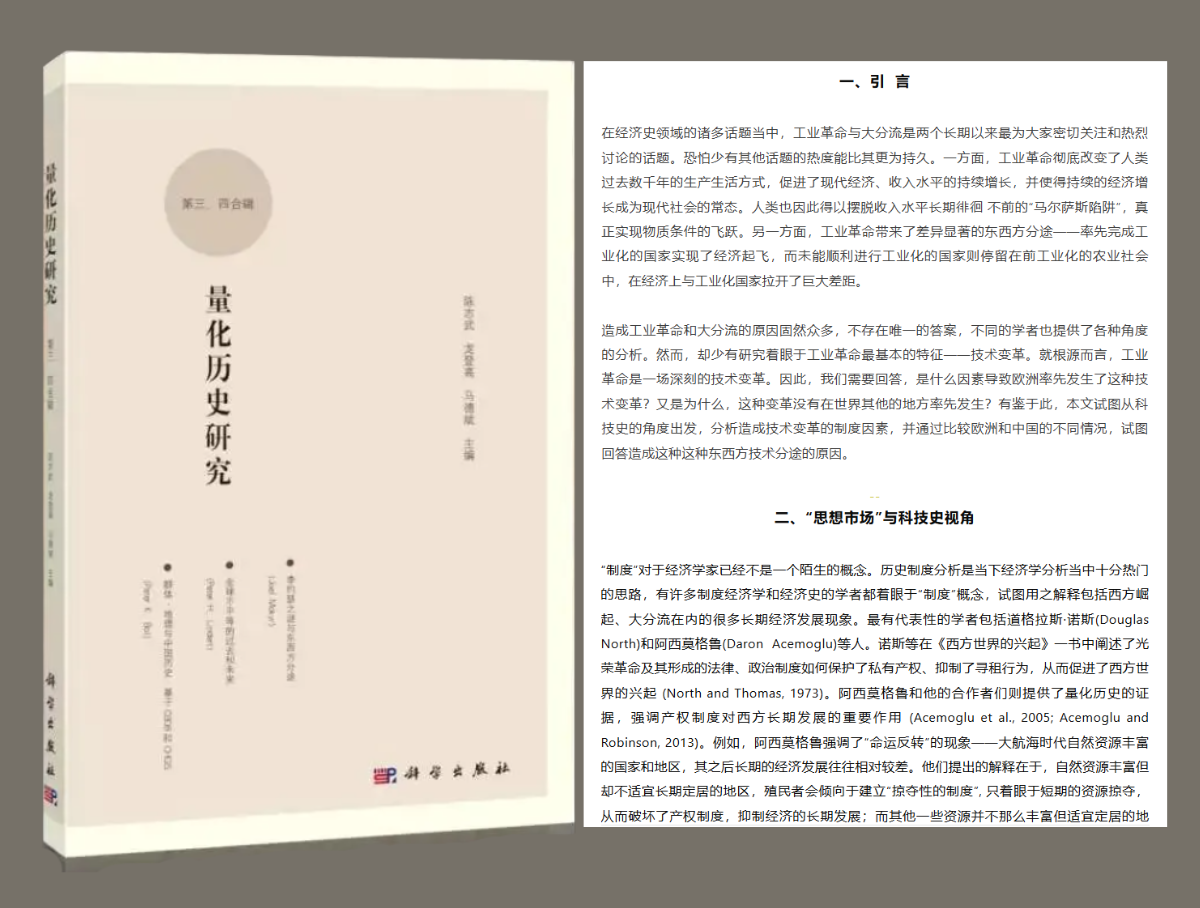
Professor Mokyr has served on our Advisory Board since the Centre’s establishment in 2023. His long standing connection with the QH community began in 2015, when we invited him to lecture at the third Annual Quantitative History Summer School and International Symposium. The transcript of his lectures was later translated into Chinese and published in Quantitative Historical Research (Volumes 3 and 4) 《量化歷史研究(第三、四合輯)》 in April 2018.
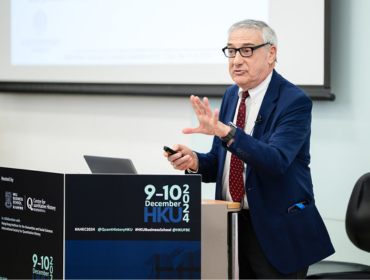
Last December, at Hong Kong University, Professor Mokyr delivered a keynote speech at the Eighth Asian Historical Economics Conference (AHEC) on The Great Reversal and the Industrial Revolution. Our Associate Director, Professor Chicheng Ma, had the honour of chairing the keynote session and later reflected: “It was a privilege to introduce Professor Mokyr and to witness first-hand the depth of insight he brings to the study of economic history. His ideas greatly inspired the next generation of scholars at our Centre and beyond.”
We extend our heartfelt congratulations to Professor Mokyr on this extraordinary achievement, and take pride in the inspiration he continues to bring to our QH community.
Professor Joel Mokyr’s insightful lectures, translated into Chinese in Quantitative Historical Research Volumes 3 & 4 (published in April 2018), continue to inspire scholars across regions and generations.
Professor Joel Mokyr delivers his keynote address at AHEC 2024, sharing fresh insights on “The Great Reversal and the Industrial Revolution” with an audience of scholars and students on HKU main campus.
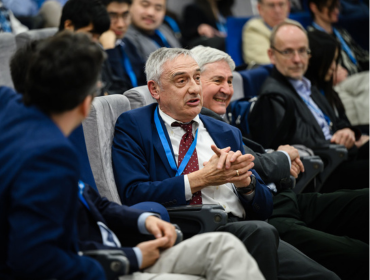
Professor Joel Mokyr engages in lively discussion with conference participants, inspiring the next generation of economic historians at the Centre for Quantitative History.
We are proud to announce that 11 academics from HKU Business School have been ranked by Clarivate Analytics in the top 1% worldwide by citations in Economics and Business fields. Data is drawn from Essential Science Indicators (ESI).
This achievement reflects the profound international impact and outstanding caliber of our faculty’s research.
Warmest congratulations to the following professors (listed alphabetically):
As HKU Business School approaches its 25th anniversary in 2026, it remains committed to driving forward its vision of becoming a leading globally impactful academic institution in business and economics.
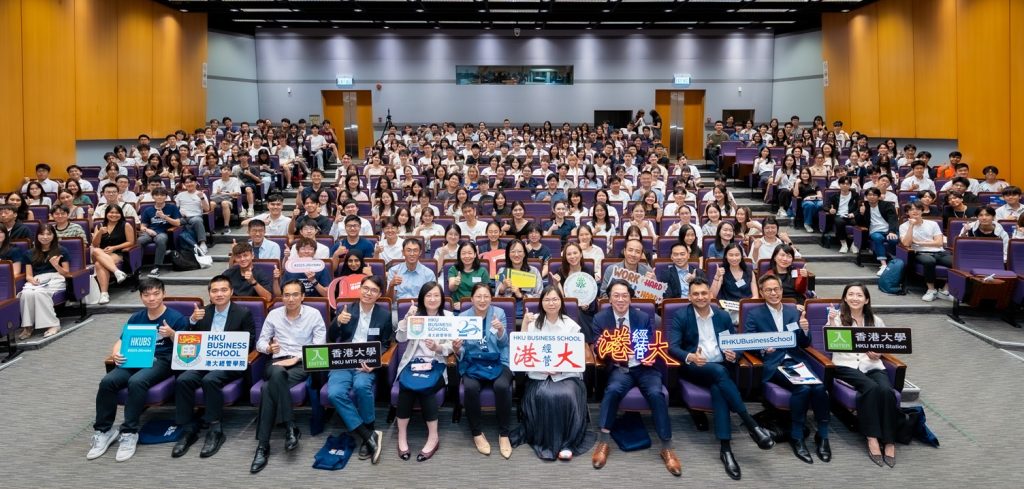
With the start of the new academic year on the horizon, HKU Business School is eager to welcome our undergraduate freshmen for the 2025-26 intake and incoming exchange students. We have planned a vibrant array of orientation activities that will begin in mid-August 2025, designed to foster engagement and provide essential information.
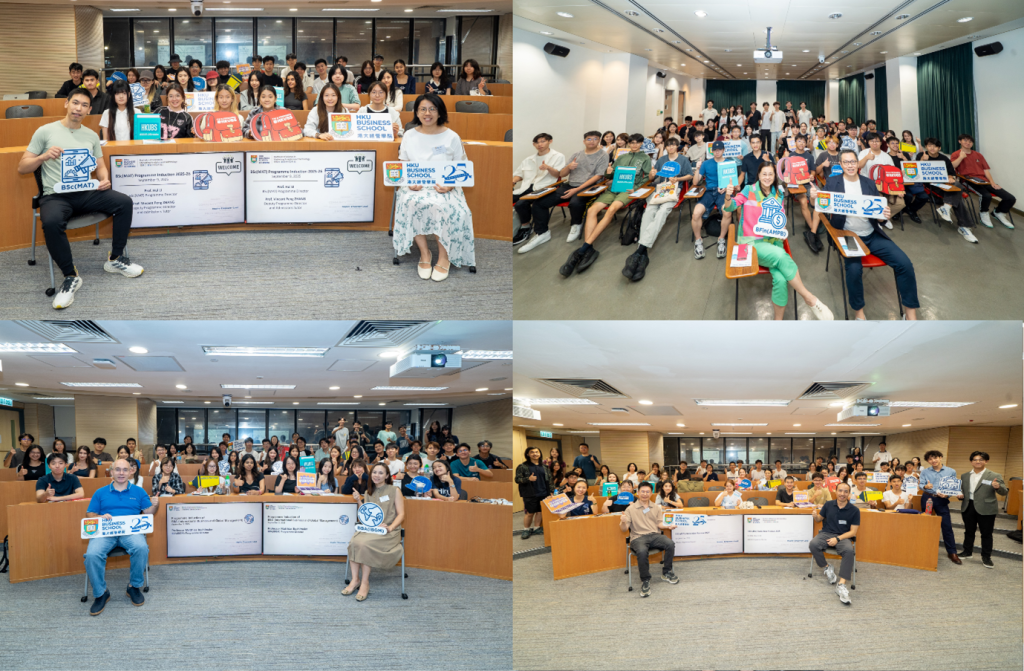
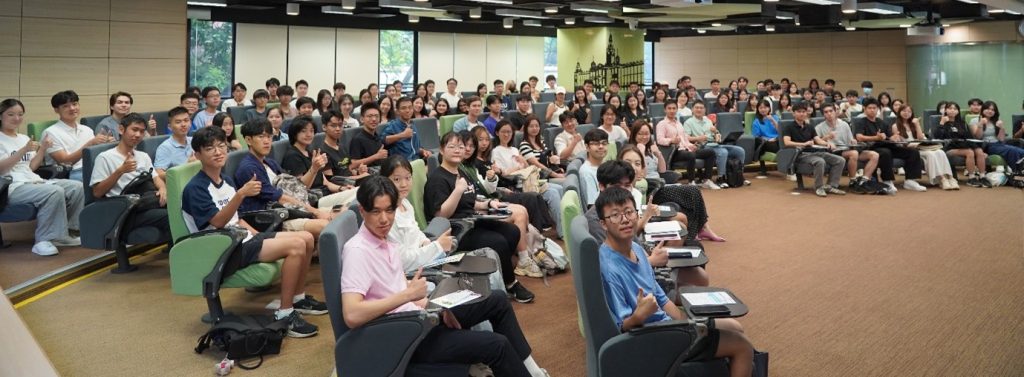
August 12 | Faculty Academic Induction Talk: This official welcome for all undergraduate freshmen of the 2025-26 intake offers a comprehensive overview of academic studies and university life. It highlights the invaluable support from senior students who share their enriching experiences, various experiential learning opportunities, insights from Student Associations, and contributions from CEDARS. These interactions reflect the University’s commitment to nurturing and unlocking the potential of each freshman throughout their four-year academic journey.
August 26 – September 14 | 9 Sessions of Programme Induction Sessions for Freshmen across 11 Undergraduate Programmes: With the generous support of all Programme Directors and Deputy Programme Directors, freshmen have been given the opportunity to connect with their peers, gain deeper insights into their respective majors, and receive practical advice and tips from senior students and alumni. Notably, a mixer event was organised specifically for Dual Degree Programme students, allowing them to socialize and network with one another.
August 25 | Career Orientation for Undergraduate Freshmen:This dynamic session showcased the comprehensive support offered by our Undergraduate Career Development & Training (CDT) Team, helping students craft a resilient, tailored professional roadmap. Participants learned how to identify their strengths, explore suitable roles across finance, entrepreneurship, multinational corporations, and consulting, and develop practical strategies for application prioritisation. The workshop also provided actionable insights on enhancing career agility, understanding recruiter evaluation criteria, and leveraging HKUBS resources such as our Career Fair and various career workshops and recruitment talks.
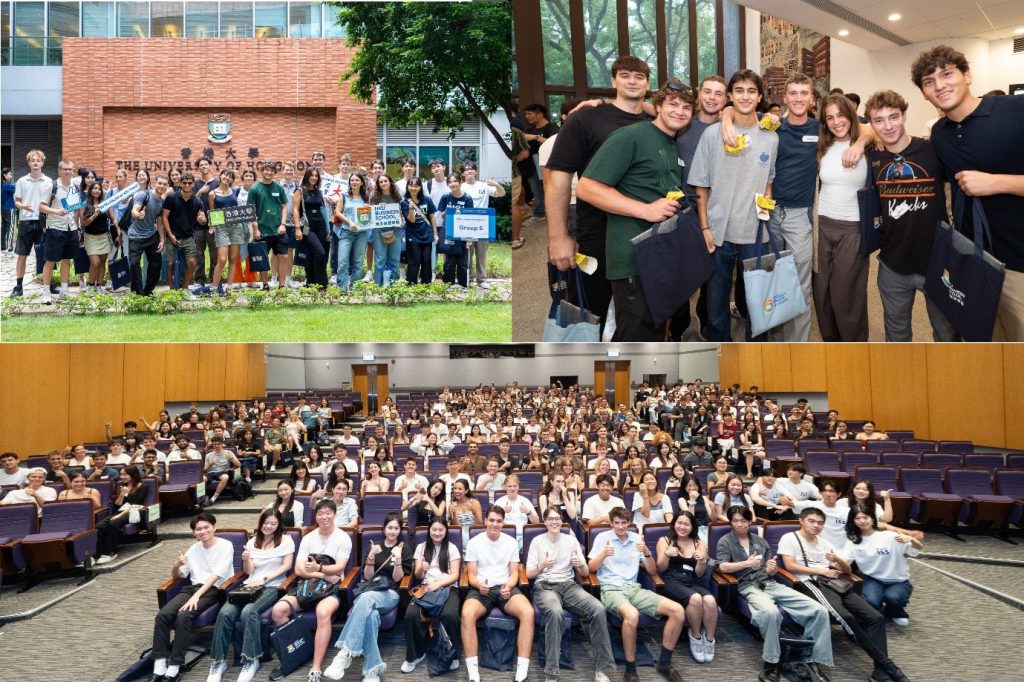
August 28 | Incoming Exchange Students Orientation: We were delighted to welcome 300 exchange students from over 120 partner institutions spanning 24 countries and regions as they embarked on their journey at HKU Business School. This orientation offered an overview of the Faculty, essential academic information for their studies, and survival tips in Hong Kong from the HKUBS International Student Society. A campus tour helped them settle in, allowing these students to immerse themselves in our vibrant and empowering HKU community for one or two semesters.
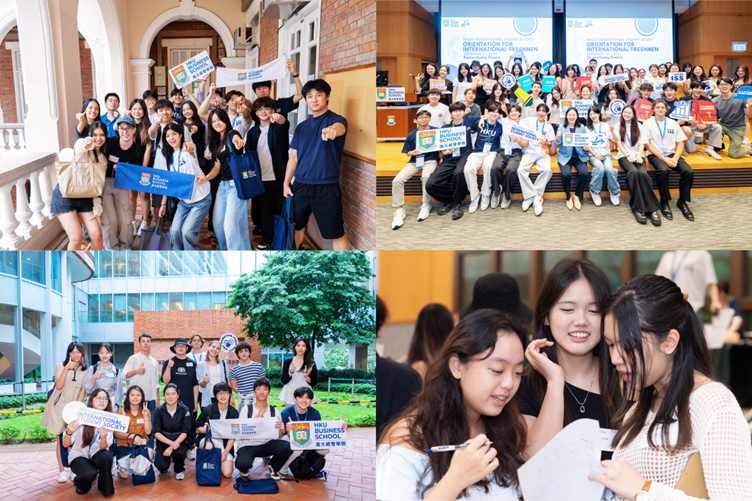
September 20 | Non-local Freshmen Orientation 2025: Proudly co-hosted with the HKUBS International Student Society, attracted an enthusiastic crowd of non-local full-time freshmen. The event fostered community bonds, shared valuable insights about the school and life in Hong Kong, and provided high-quality networking opportunities for new students.
With great excitement, we welcomed the new freshmen for the 2025-26 academic year, and we were eager to support them as they embarked on their educational journey at HKU Business School.
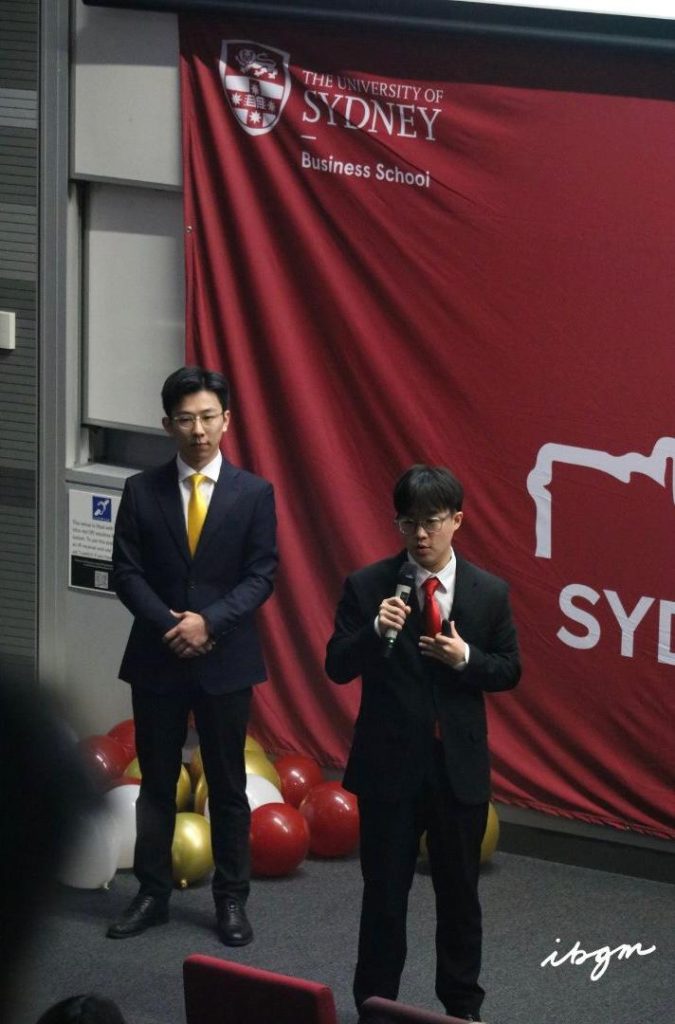
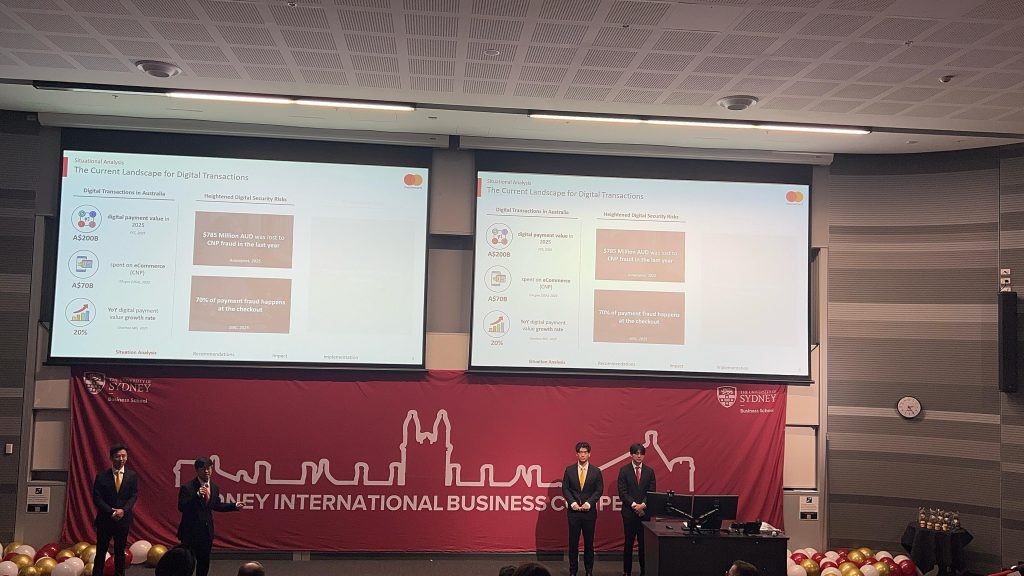
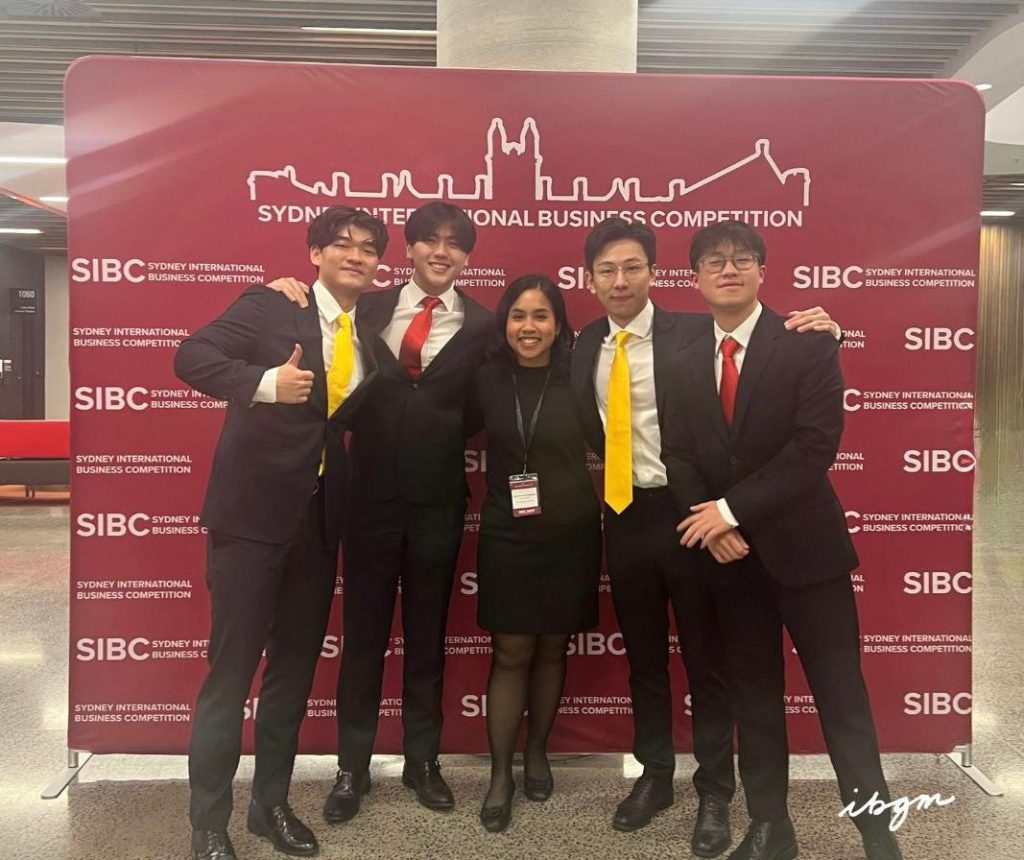
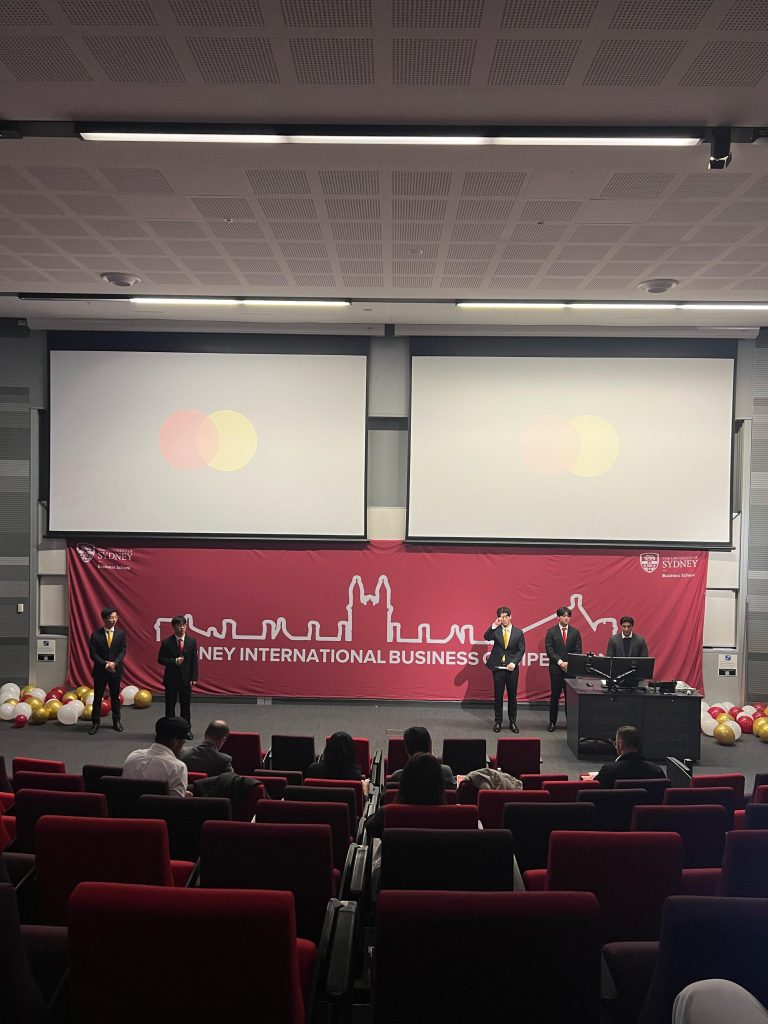
Congratulations to our HKU Business School students for winning Third Place in the Sydney International Business Competition (SIBC) 2025, hosted by The University of Sydney Business School.
This competition brought together top university teams to tackle challenging business cases, fostering personal and professional growth through real-world problem-solving. It also offered opportunities for participants to connect with peers worldwide.
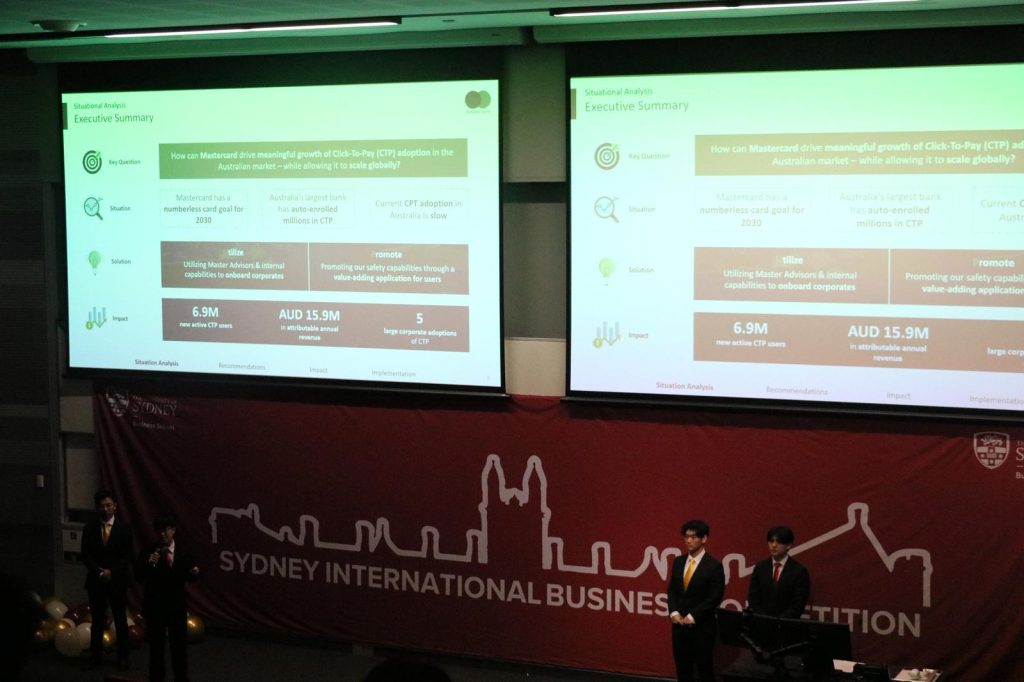
The competition consisted of two rigorous case challenges: a 6-hour case and a 24-hour case. Our students demonstrated exceptional analytical and presentation skill. Their dedication and hard work have earned them the Third Place in the competition. Congratulations to the team!
“Going to Sydney for SIBC was a great escape from the Hong Kong heat during its peak summer temperatures. In between delivering way too many uber eats and taking long walks down the Bondi Junction, was an exhilarating experience of intense intellectual challenge. The two rounds of case cracking left me with a better understanding of how to approach business challenges and truly represent HKU in an international scene.”
By Cha Hwanwook, Alex
“Representing HKU Business School at the Sydney International Business Competition was an amazing experience that pushed me to grow while working alongside talented people from all over the world. The competition was intense and inspiring, especially getting to collaborate on real challenges from great clients like Mastercard and Marrickville Legal Centre. I came away with new skills, fresh perspectives, and unforgettable memories that truly made this experience one of a kind.”
Mr. Hsu Kevin
“Throughout the competition, we were challenged by two impactful cases — a 6-hour case with Marrickville Legal Centre aiming to expand low-bono legal services in New South Wales, and a 24-hour challenge with Mastercard to drive Click-to-Pay adoption. The experience offered not only an opportunity to develop my problem-solving and teamwork skills, but also to learn from inspiring peers from around the world. Beyond the competition, I also had the chance to explore Sydney’s vibrant landscape and culture, including a memorable walk along the Bondi Beach to Coogee Beach coastal trail.
I am deeply grateful to HKU Business School for supporting and trusting me with this incredible opportunity to compete on an international stage, learn from leading minds, and represent our University. My heartfelt thanks go to everyone at the Faculty who made this journey possible, and a special appreciation to our dedicated case coach Ms. Pinto Rasika Tasdyata (Pipin).”
By Mr. Xia Yunchu, Kevin
“Competing in SIBC 2025 has been an incredible journey, connecting me with brilliant students worldwide and forging unforgettable bonds with my teammates. By tackling case challenges from Mastercard and Marrickville Legal Center, I dove deep into new industries and gained unique, hands-on insight beyond the classroom. Representing the University of Hong Kong on the global stage has been an honor, and I’m truly grateful for the unique opportunity.”
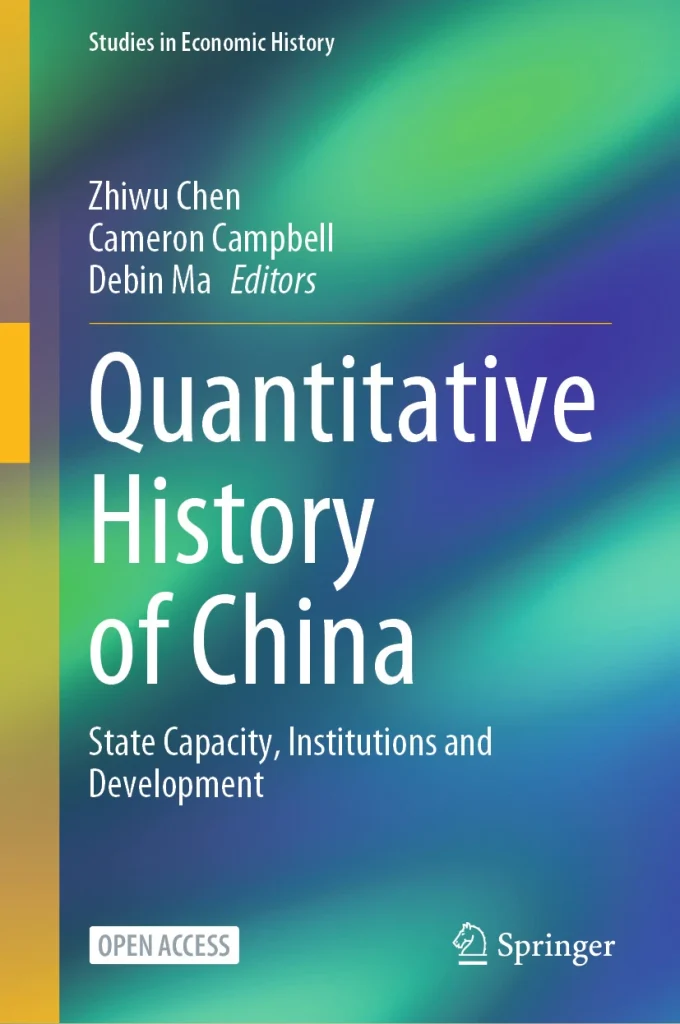
The Centre for Quantitative History (CQH) is proud to announce the forthcoming publication of Quantitative History of China: State Capacity, Institutions, and Development, an edited volume that represents a milestone in the study of China’s long-run political, social, and economic development.
Published by Springer Nature in its prestigious Studies in Economic History series, this Open Access book brings together 11 insightful studies first presented at the CQH’s Area of Excellence-Quantitative History 2023 conference.
The volume will be officially published in October 2025 and is now freely accessible to scholars, students, and the public worldwide.
A new era for studying Chinese history
In recent decades, quantitative methods have increasingly shaped historical research, yet studies of China’s past have often been constrained by limited archival access and the difficulty of processing large amounts of historical data. The rise of advanced computing power and machine-assisted reading now makes it possible to construct and analyse vast historical datasets, opening new opportunities for understanding China’s development over the past three millennia.
This volume showcases pioneering research that leverages these new capabilities, offering fresh insights into critical questions about China’s long-run development. Interdisciplinary teams of economists, sociologists, political scientists, historians, and econometricians explore topics ranging from the role of war and state formation, religion and culture, finance and institutions, technological innovation, regicide, and the organization and capacity of the imperial bureaucracy.
Key themes and contributions
The chapters in Quantitative History of China cover a wide range of topics, including:
War, Technology, and the Needham Puzzle
War and Demand for Technology: How Unification Disincentivized Innovations in Historical China
War and Demand for Technology: Archaeological Evidence from Early China
Two chapters by Zhiwu Chen, Senhao Hu and Zhan Lin combine historical analysis with archaeological evidence to explain how political unification in China reduced incentives for technological innovation, engaging directly with the famous Needham Puzzle.
Rulers, Institutions, and the Military
A Quantitative History of Regicide in China (Zhiwu Chen and Zhan Lin) — Systematic measurement of political instability through the lens of regicide across dynasties.
War Breeds Warriors (Yicheng Chen, Zhiwu Chen and Chicheng Ma) — How historical conflicts shaped enduring warrior cultures.
Origin and Deployment of Qing Military Officers (Jun Chen and Cameron Campbell) — New data on provincial origins and careers of Qing officers.
The Impact of Crises on County Magistrates (Cameron Campbell and Shuaiqi Gao) — The effects of famines, rebellions, and other crises on local governance in late imperial China.
State Capacity, Fiscal and Financial Development
How to Finance Wars (William Guanglin Liu and Kai Wan Kwan) — The Northern Song’s fiscal innovations and the securities crisis of the 1040s.
Fiscal Revenue in Ming and Qing China (Hanhui Guan, Debin Ma and Runzhuo Zhai) — Quantitative reconstruction of state revenues over five centuries.
Why Did Qing China Fail to Establish Fiscal Federalism? (Yu Hao and Kevin Zhengcheng Liu) — Analysis of central-local fiscal relations and the limits of state capacity.
The Rise and Fall of Shanxi Banks (Wentian Diao, Jinyan Hu and Chicheng Ma) — Political economy insights into China’s historic banking networks.
Religion and Agricultural Development
Protestantism and Agricultural Development in China (Ying Bai and Xiaoyu Bian) — Evidence on how religious movements shaped rural economic growth.
Leading scholars advancing Quantitative History research
Contributors include leading experts in quantitative historical research on China, drawing on newly developed large-scale datasets. It is worth noting that some of the articles were co-authored by our team together with research students, reflecting our commitment to collaborative scholarship and training the next generation of researchers. Taken together, these studies highlight the transformative potential of big data and quantitative analysis in answering fundamental questions about the interplay between institutions, state capacity, and socioeconomic change across centuries.
Why this book matters
Quantitative History of China will be an essential resource for anyone interested in Chinese economic, political, social, or institutional history, as well as for scholars and students of quantitative history more broadly. By making this work available Open Access, the CQH and Springer Nature aim to foster wider engagement, cross-disciplinary dialogue, and deeper understanding of China’s historical trajectory and its relevance to contemporary challenges.
Publication Details
Title: Quantitative History of China: State Capacity, Institutions, and Development
Editors: Zhiwu Chen, Cameron Campbell, Debin Ma
Publisher: Springer Nature
Series: Studies in Economic History
Format: Open Access (OA)
Release Date: October 1, 2025 This edited volume is published as an Open Access book under the CC BY-NC-ND 4.0 license. The content can be freely downloaded and used for non-commercial purposes. Please remember to cite the source and include the DOI when referencing the work.
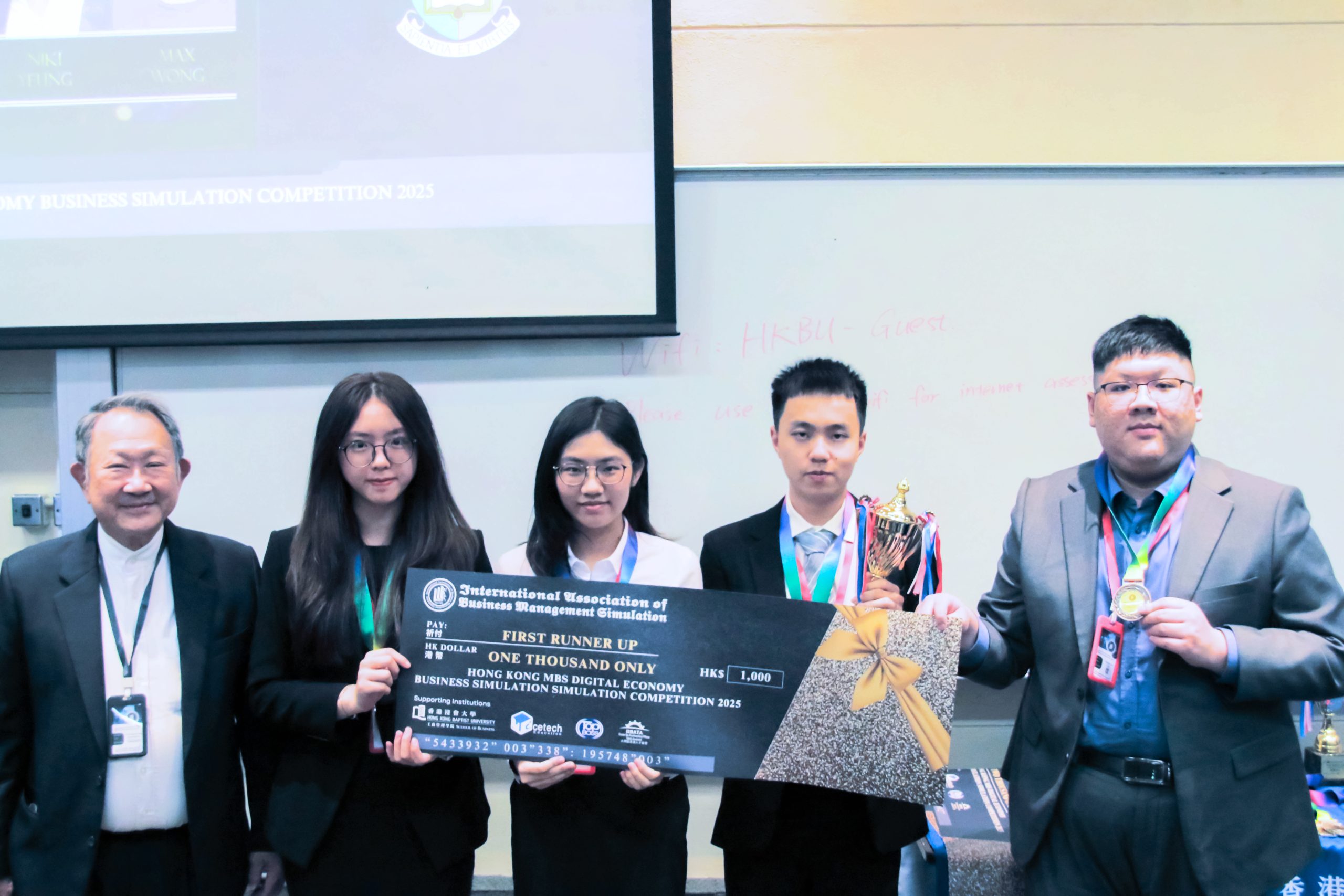
Congratulations to our students for winning Third Place in the Hong Kong MBS Digital Economy Business Simulation Competition 2025!
The competition was organised by the International Association of Business Management Simulation (IABMS). It immersed students in a simulated, vibrant economic marketplace, allowing them to apply business management concepts in a practical setting. Participating teams are challenged to make strategic decisions, evaluate outcomes, and cultivate critical thinking and decision-making skills through a business simulation game.
Among the 250 participants, our students demonstrated their exceptional analytical and strategic skills, securing Third Place in this competition. Please join us in congratulating them on this remarkable achievement.
Third Place
Mr. Ching Wing Chun, BSc(QFin), Year 2
Mr. Wong Man Chun, BSc(QFin), Year 3
Miss Zhou Yukun, BBA, Year 2
Miss Yeung Ying Ki, BA(HDT), Year 2
Student Sharing:
“During the competition, effective collaboration with my teammates was essential. We combined our expertise by developing an Excel analytical tool and refining the business plan through open discussion. One memorable moment was how, despite strict time constraints, we maintained clear communication and stayed focused, enabling us to adapt and make well-informed decisions. This experience reinforced the importance of teamwork, trust, and integrating diverse perspectives to achieve a common goal.”
By Mr. Ching Wing Chun
“Participating in this competition has been an invaluable learning experience. It provided us with the opportunity to apply academic theories to practical business scenarios and required us to adapt swiftly when outcomes differed from our expectations. I found it particularly rewarding to reproduce a cost predictive spreadsheet in accordance with the simulation manual and to estimate cash flow for each period. This hands-on approach greatly enhanced my understanding of financial planning.
Through close collaboration with my teammates, I came to appreciate the importance of clear communication and flexibility in decision-making under pressure. Additionally, the fast-paced presentation segment significantly improved my public speaking and critical thinking abilities, as it required us to present and defend our strategies in a concise and persuasive manner. Overall, this competition deepened my insight into business operations and underscored the value of effective teamwork and continuous learning.”
By Mr. Wong Man Chun
“This competition was truly an unforgettable experience for me. It was our second time participating, and compared to last year, we were more fully prepared and had a clearer understanding of the competition format. The competition involves simulating business models and behaviors, requiring us not only to come up with viable business models but also to adjust our business strategies in response to changes in our opponents’ moves. This made me realize that business is a close integration of good ideas and precise execution—without either, a business can hardly succeed.”
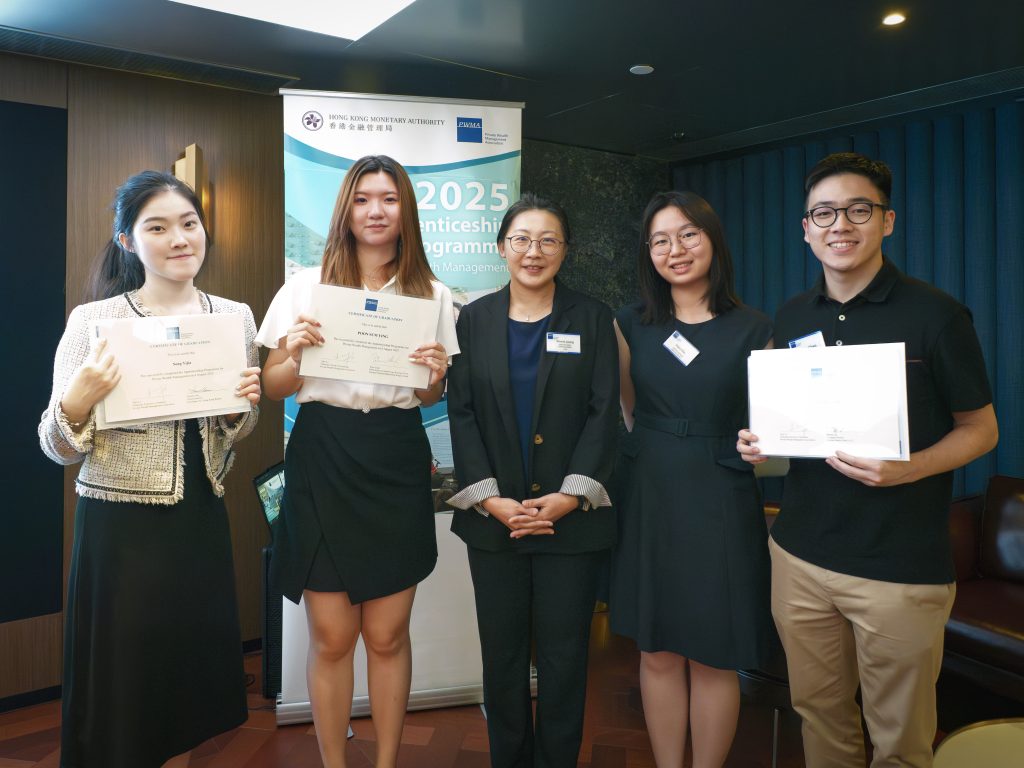
Co-organized by Hong Kong Monetary Authority (HKMA) and the Private Wealth Management Association (PWMA), the Pilot Apprenticeship Programme for Private Wealth Management (the “programme”) offers internship opportunities to students who are interested in the field of private wealth management. The Programme is supported by 17 private wealth management institutions (About the Programme – Private Wealth Management Association). Since 2017, the programme had provided internship experience to over 100 HKU Business School undergraduate students.
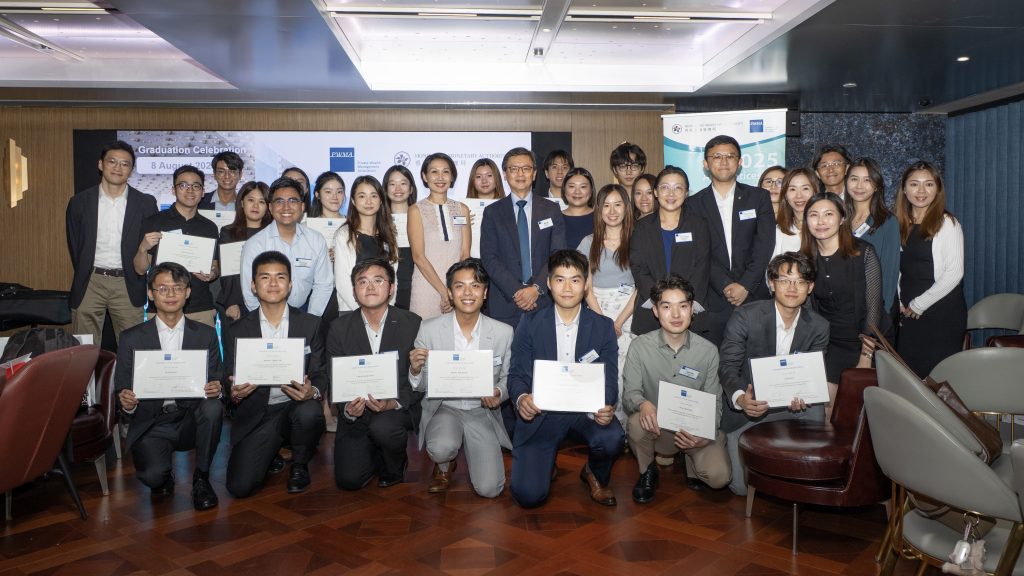
A Graduation Celebration event was hosted on August 8, 2025 to recognize the achievement of the 8th batch of programme graduates. On behalf of HKU Business School, Prof. Winnie Leung, Assistant Dean (Undergraduate) had attended the appreciation drink and congratulated our participating students.
Prof. Winnie Leung, Assistant Dean (Undergraduate) and HKU Business School students (from left to right – Song Yijia, Year 4, BFin(AMPB);Poon Sum Ying, Year 4, BFin(AMPB); Chan Shing Yam, Class of 2025, BBA(Acc&Fin)), who graduated from the Private Wealth Management Apprenticeship Programme this year.
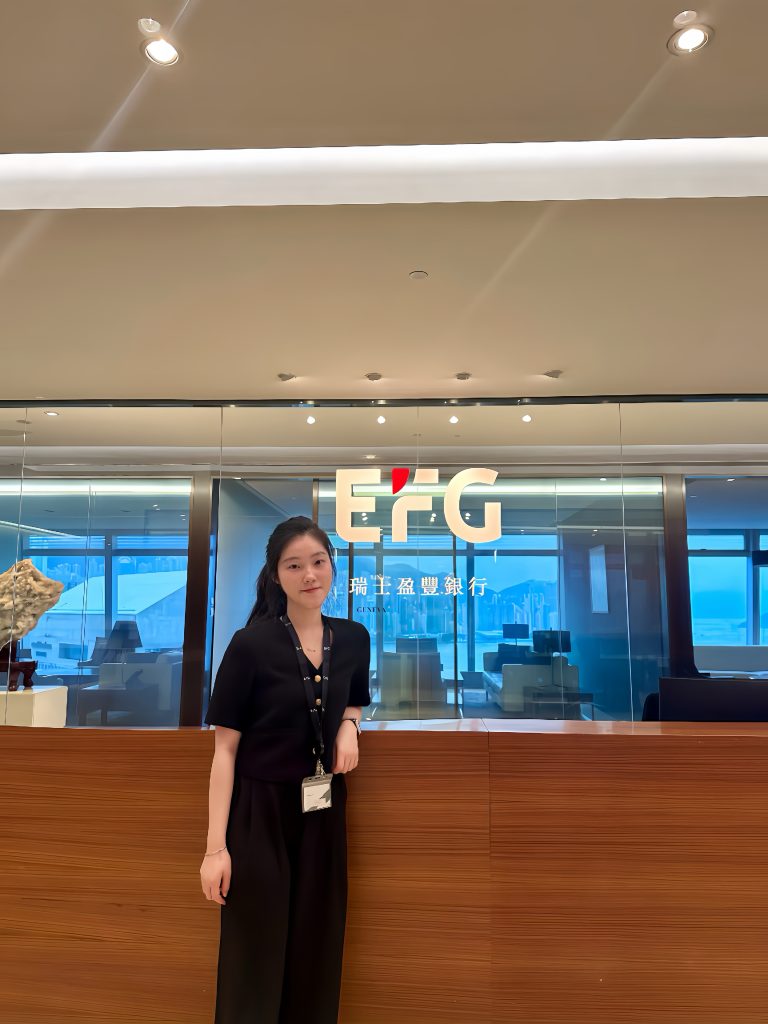
One of our students, Sonia shared her internship experience:
SONG Yijia | BFin(AMPB) Employer: EFG Bank (2024 & 2025 Summer)
“During my two-year apprenticeship at EFG Bank, I had rotations across investment products, global markets, investment counselling, credit risks, internal audit, etc. The hands-on exposure—from building financial models and conducting due diligence to collaborating with different departments—sharpened my analytical and relationship management skills. Engaging with supportive mentors and seniors, I gained a holistic view of private wealth management and am excited to pursue a long-term career in this field.”
We look forward to future collaboration with HKMA and PWMA to nurture the next generation of Private Wealth Management professionals for Hong Kong!