


From Investor Democracy to ESG Resilience: ASU and HKU Scholars Unveil New Frontiers in Governance and Sustainability
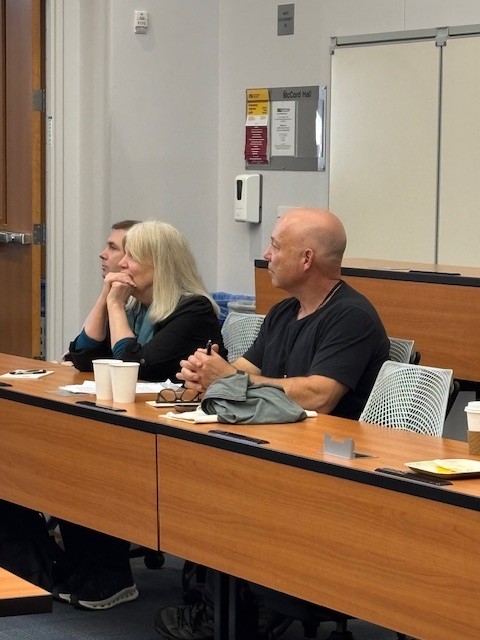
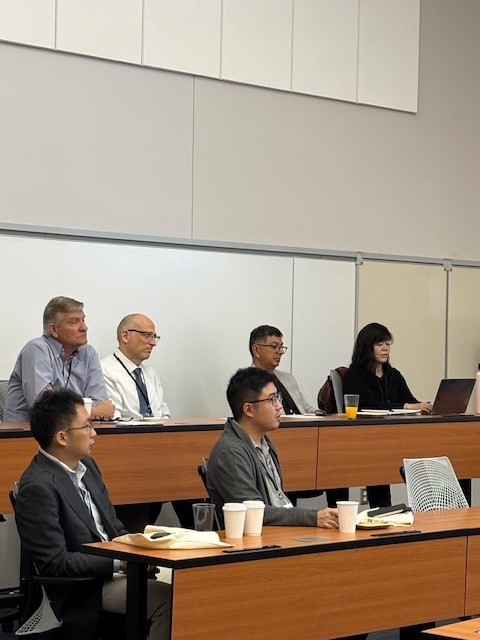
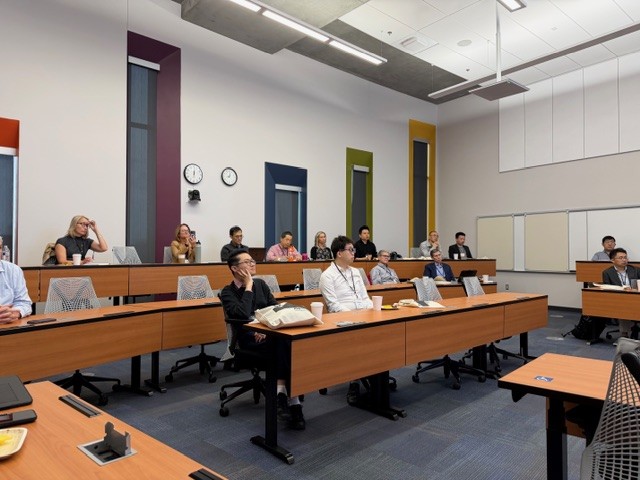
PHOENIX, AZ – The Second Annual ASU–HKU Conference exemplified the power of interdisciplinary collaboration, uniting two global business schools for two days of rigorous debate. Gathering over 20 leading scholars across Finance, Supply Chain, Management, Accounting, Economics, and Marketing. the event bridged academic silos to advance a shared mission: the future of finance depends on balancing innovation with implementation reality.
The W. P. Carey School of Business at Arizona State University (ASU), in collaboration with HKU Business School, successfully convened the Second Annual ASU–HKU Conference. Opened by Prof. Ohad Kadan (ASU) and Prof. Roni Michaely (HKU), the event tackled the evolving landscapes of corporate governance, ESG investing, and the future of work.
Here is the recap of the key insights and their impact on the future of finance.
Pass-Through Voting: The Tension Between Investor Democracy and Informed Intermediation Keynote Speaker: Prof. Alon Brav, Bratton Family Distinguished Professor of Finance, The Fuqua School of Business, Duke University
- Prof. Brav’s keynote addressed the rising trend of pass-through voting. While shifting voting power from large intermediaries to individual investors suggests greater investor democracy, the impacts on corporate governance remain theoretically ambiguous.
- The presentation highlighted that implementation challenges persist because investor preferences are often “noisy” and incomplete. This creates a risk that power may inadvertently shift to a small set of menu designers and proxy advisers rather than the investors themselves.
- The future success of this mechanism depends on how regulators and markets reconcile the tension between empowering individual investors and preserving the benefits of informed intermediation.
Is ESG a Fading Fad? Evidence for Resilience and Evolution Keynote Speaker: Prof. Laura Starks, George Kozmetsky Centennial Chair and Professor of Finance, McCombs School of Business at The University of Texas at Austin
- Addressing whether ESG is a “fading fad,” Prof. Starks presented comprehensive evidence that global sustainable funds nearly doubled between 2020 and 2025. While U.S. outflows reflect portfolio reallocations toward quality-focused ETFs, environmental-focused funds maintained positive inflows through 2025.
- The keynote emphasized that market outcomes depend on a mix of financial motives (“value”) and non-pecuniary preferences (“values”). Additionally, proxy voting structures were identified as a material factor in altering voting outcomes on shareholder proposals.
- The research argues that ESG engagements create value by reducing firms’ downside risks, particularly when focused on climate issues.
Entrepreneurial Spawning from Remote Work Presenter: Prof. Alan P. Kwan, Associate Professor of Finance, University of Hong Kong
- Leveraging novel firm-level measures of remote work derived from internet activity data and LinkedIn career histories, this research investigated how remote work arrangements influence entrepreneurship.
- The study demonstrates that remote work significantly increases workers’ transitions into entrepreneurship. This effect is driven by the flexibility remote work provides, offering potential founders “experimentation time” and “downside protection” before fully committing to a new venture.
Media Shaming and Supply Chain Transparency in the Fashion Industry Presenter: Prof. Veronica Villena, Loui Olivas Chair in Management, W. P. Carey School of Business, Arizona State University
- Despite growing pressure from regulators and NGOs, fashion brands often obscure labour practices. Analysing 145 global brands, this research shows that “media shaming” acts as a catalyst for greater supply chain labour transparency, specifically leading to substantive disclosures.
- These effects are found to be stronger when media controversies target multiple brands simultaneously and, notably, when corporate boards have higher female representation.
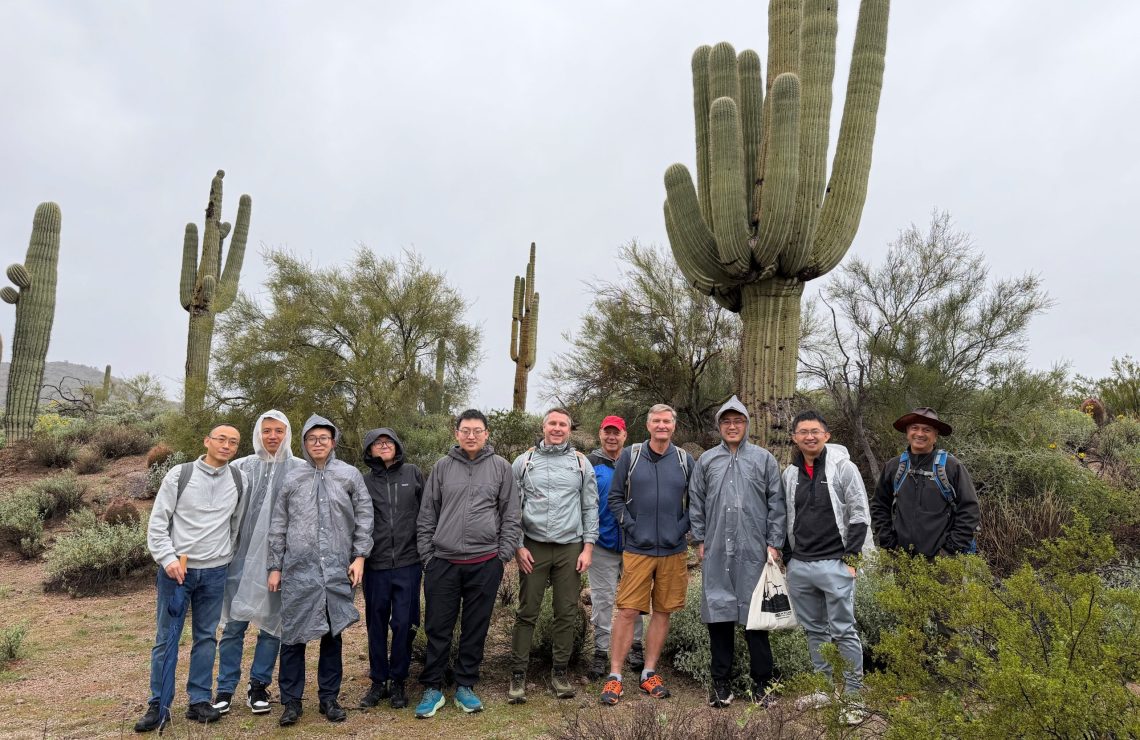
Fostering Collaboration Following the academic sessions, attendees participated in networking activities, including a group hike and a visit to the Desert Botanical Garden, fostering further collaboration between the institutions.