


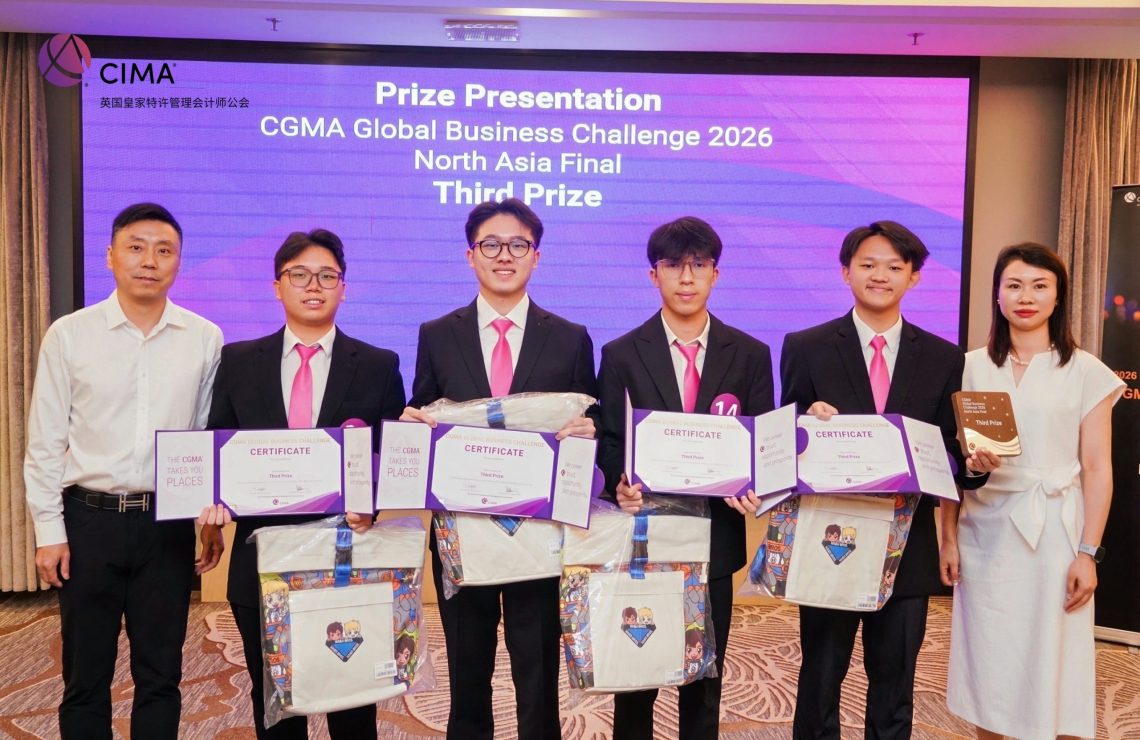
CGMA Global Business Challenge 2026 – North Asia Final

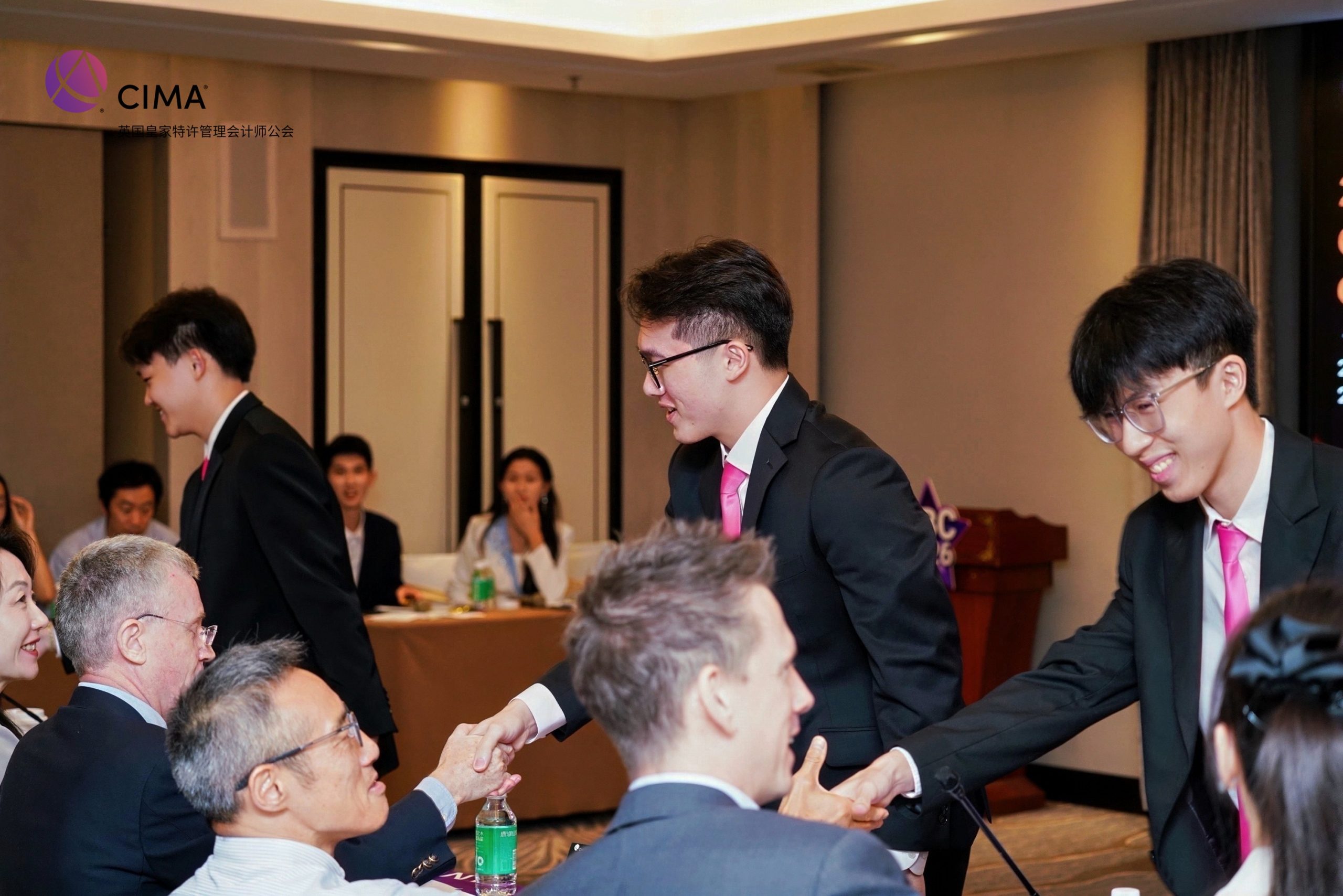
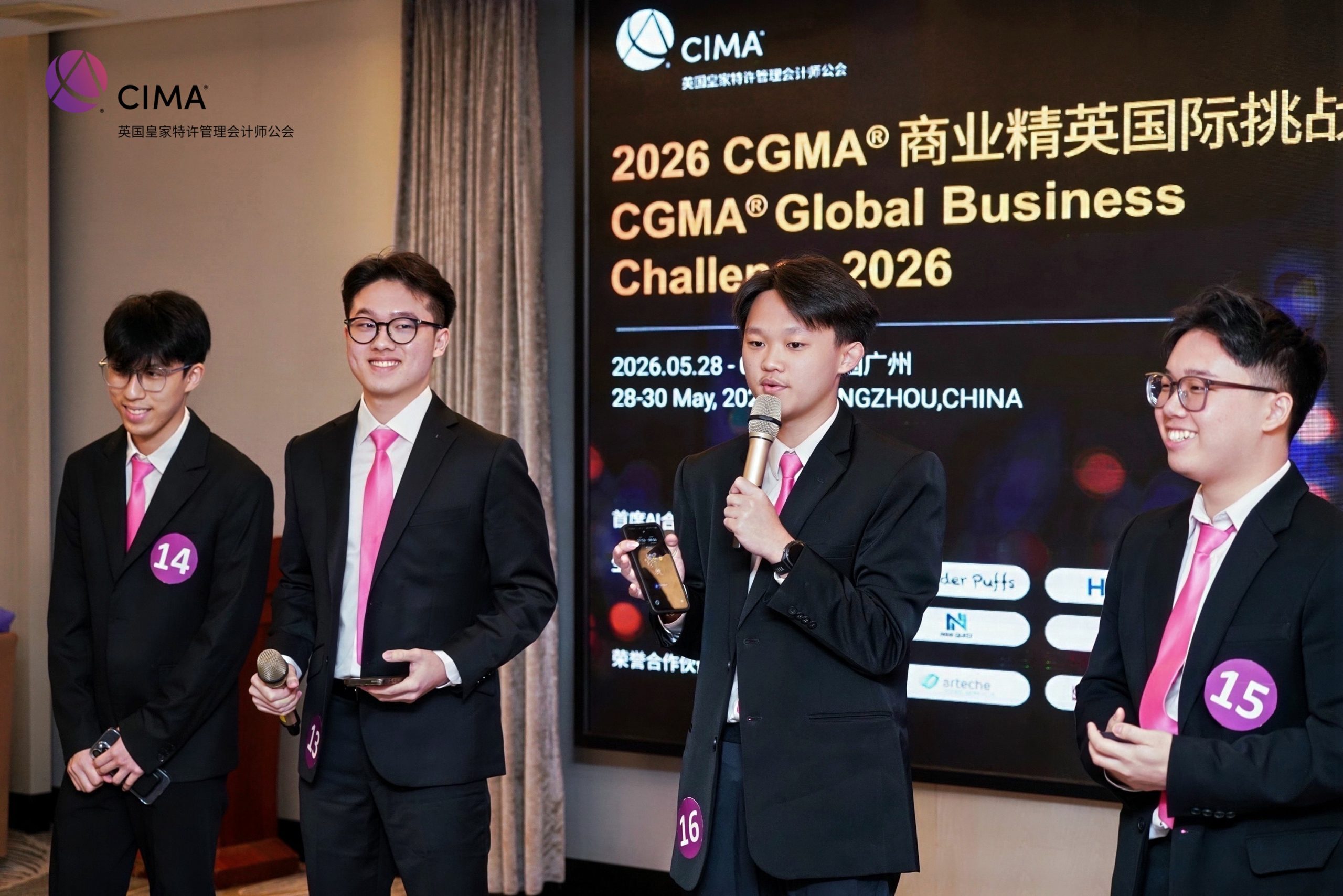


We are delighted to announce that our students won Third Prize, Best AI Application Award, and Future Business Leader Award at the CGMA Global Business Challenge 2026 North Asia Final.
Held in Guangzhou, China, the North Asia Final brought together champion teams from across the region. Organised by Chartered Institute of Management Accountants (CIMA), the competition encouraged participants to leverage the power of artificial intelligence in addressing business challenges and developing innovative, forward-looking solutions.
Our students stood out through their exceptional digital and analytical capabilities, creative problem-solving, and outstanding teamwork. Congratulations to our students on this remarkable achievement!
More about the competition: https://ug.hkubs.hku.hk/competition/cgma-global-business-challenge-2026

Third Prize and Best AI Application Award
Team Name: Archipelago Ventures
Team Members:
Mr. Daenuwy Nielsen, BFin(AMPB), Year 1
Mr. Handojo Matthew Christopher, BBA(BA), Year 1
Mr. Ho Albert Manzo, BEng(AI&DataSc), Year 1
Mr. Kosasih Wayne Davelyn, BSc(QFin), Year 1
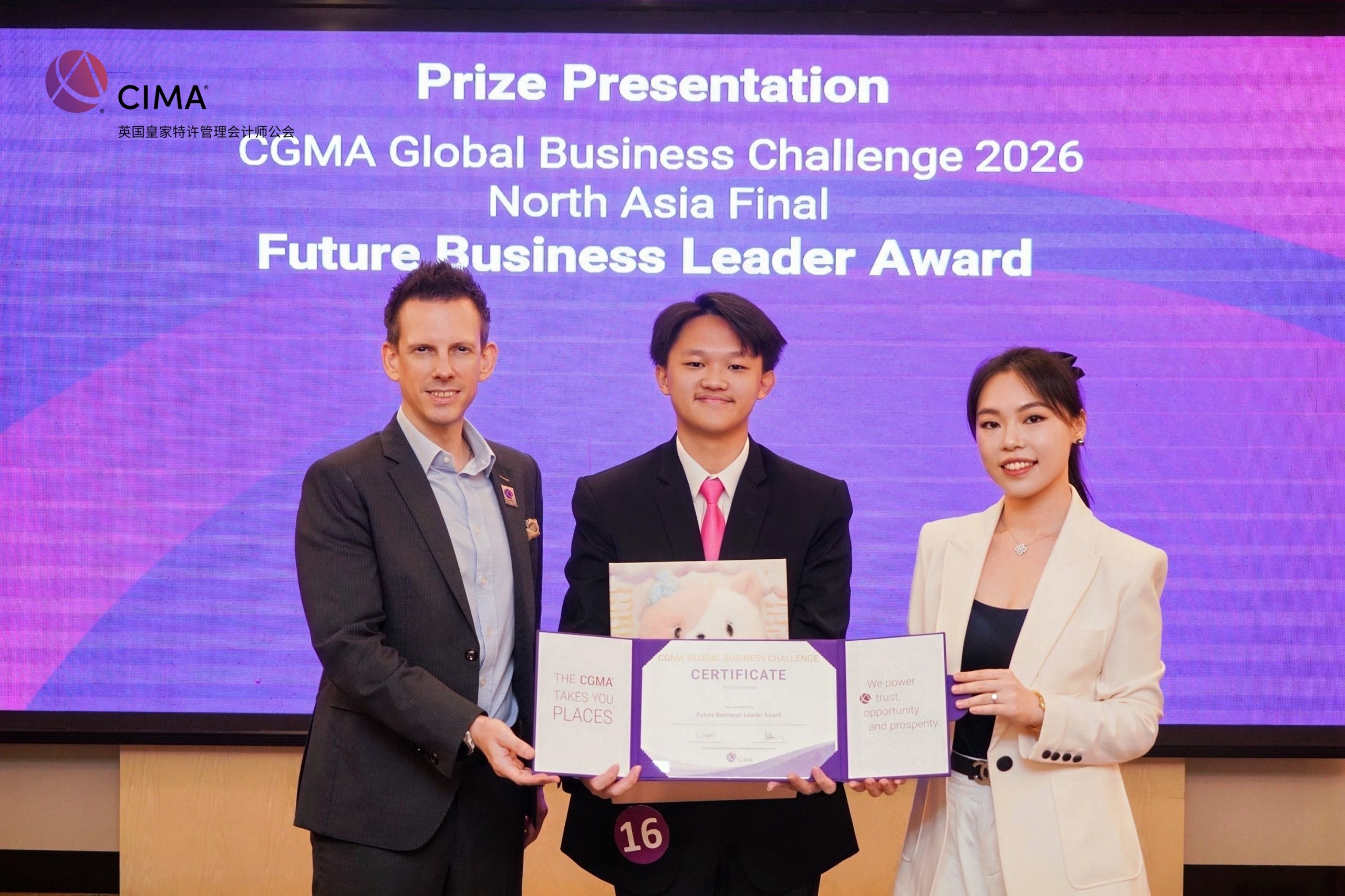
Future Business Leader Award
Mr. Handojo Matthew Christopher, BBA(BA), Year 1
Student Sharing:
“The most unexpected highlight for me was watching the judges’ reaction to our talent show performance. We fully committed to performing an Indonesian boyband song with zero irony, and the judges found it genuinely hilarious, in the best possible way. What struck me afterward was how much that moment did for us socially, judges who had just watched us be completely ridiculous on stage turned out to be some of the easiest people to talk to once the formal presentations were over, and a few participants from other teams came up specifically to talk about it. It taught me something about competitions like this that I had not expected, the analysis and the delivery matter enormously, but so does being memorable and approachable as people, not just as a team presenting numbers. Some of the best conversations I had all weekend, with judges and with participants from other universities, started because of three minutes of deliberately bad choreography.”
(by Mr. Daenuwy Nielsen)
“The part of this trip that stuck with me most happened outside the competition entirely. We had dinner and breakfast with members of the CIMA Hong Kong team, and those conversations gave me a much better sense of Guangzhou as a city, and of CIMA as an organisation, than anything we had read beforehand. Hearing how they think about the competition, the region, and where CIMA is headed was the kind of perspective you do not get from a case brief, no matter how well written. It reframed how I thought about the whole weekend, the result mattered, but the people we got to spend time with around it mattered just as much. Those conversations are probably what I will remember longest once the scoreboard stops mattering.”
(by Mr. Handojo Matthew Christopher)
“The eight-hour case format was unlike anything I had experienced before, and the pressure it creates is very specific. You cannot wait until you feel confident to commit to a direction, you must pick your read of the problem early and build everything around it, because there simply is not enough time to backtrack. What surprised me was how much that constraint sharpened our output. The tight deadline forced a clarity in our recommendations that a longer timeline might have let us water down. Presenting to the judges afterwards and fielding their questions live was a good test of whether we had genuinely internalised our own analysis or just assembled slides. That exchange is where I learnt the most about what it means to defend a recommendation with real conviction rather than just present one. On the other side of the competition, Guangzhou itself was a contrast I did not expect. Coming from Hong Kong, where the pace of everything borders on relentless, Guangzhou felt noticeably more settled. The food was remarkably affordable compared to what we are used to, and exploring the city between competition days gave the team a chance to decompress in a way that is hard to do back home. The two cities are close on a map but feel like genuinely different worlds, and experiencing both in the same trip gave me a much more textured picture of the region than I would have gotten from either one alone.“
(by Mr. Kosasih Wayne Davelyn)