




Top Global Scholars Gather at HKU to Chart China’s Role in a Shifting World Economy
3rd Annual Conference on China and the Global Economy Explores Trade Wars, Industrial Policy, and Geoeconomics Challenges
Hong Kong, May 21, 2025 – The Institute of China Economy (ICE) at HKU Business School successfully hosted its 3rd Annual Conference on China and the Global Economy from May 12–13, 2025, at iCube in Central Hong Kong. The event convened over 100 scholars, policymakers, and industry leaders from 15 countries to address pressing challenges in global economic governance, with a focus on China’s evolving strategic role in an era of geopolitical fragmentation and technological rivalry.

Vivian Yue (Emory University)– “A Theory of International Official Lending”
Official lending by governments and multilateral institutions has emerged as a critical tool for crisis response, exemplified by China’s rise as a leading global creditor. Yue’s framework revealed how strategic alignment of debt allocation can enhance welfare in developing economies, though reforms are needed to address imbalances in multilateral governance.
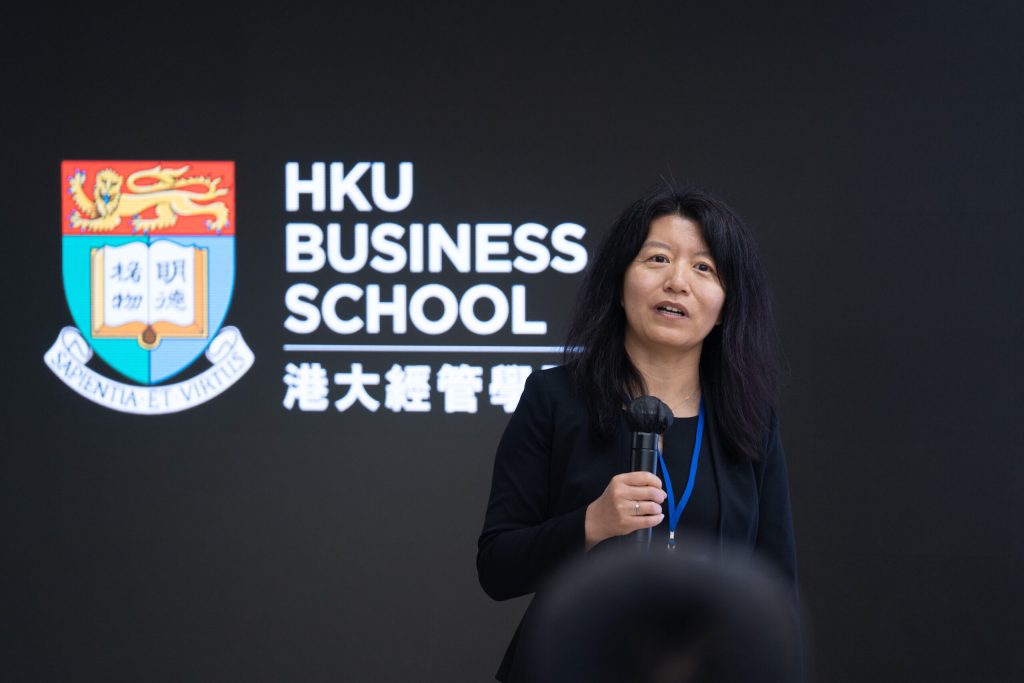
Gerard Padro Miquel (Yale University)– “Ambiguous Attribution and Accountability”
Drawing from a 2023 Spanish election experiment, Padro Miquel demonstrated that institutional ambiguity fuels partisan biases, undermining democratic accountability. Clearer responsibility attribution and actor-specific data are essential to depolarize policymaking and restore public trust.
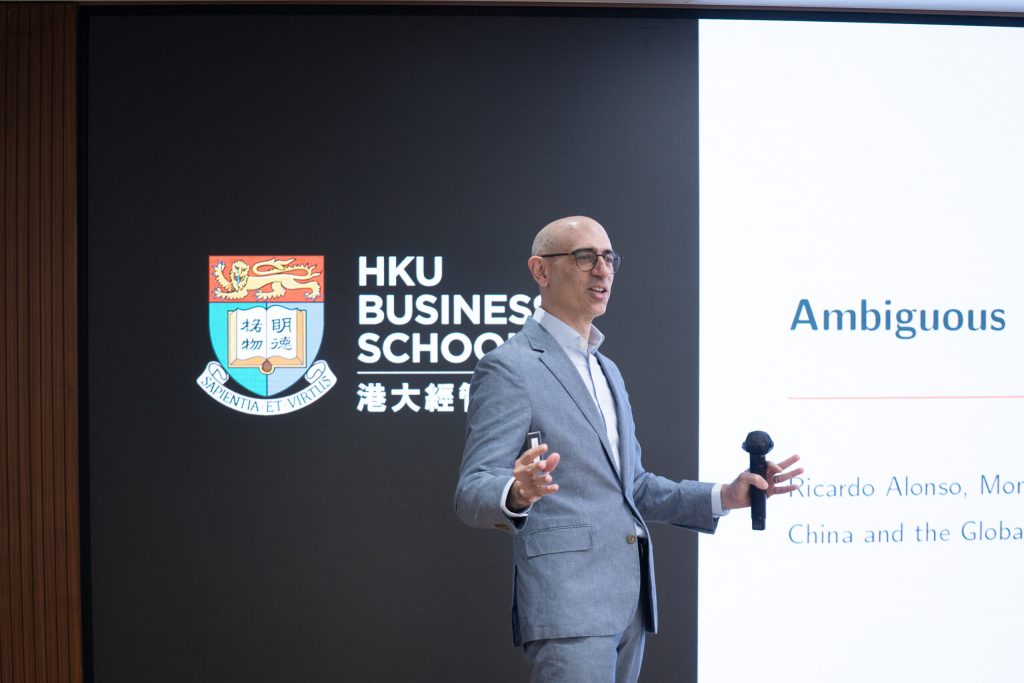
Trade Wars & Sanctions
- Yang Jiao (SMU)showed that Western financial sanctions (e.g., SWIFT exclusion) reduced Russia’s trade with both Western and non-Western nations, but alternative payment systems (e.g., China’s CIPS) softened the blow in non-aligned economies.
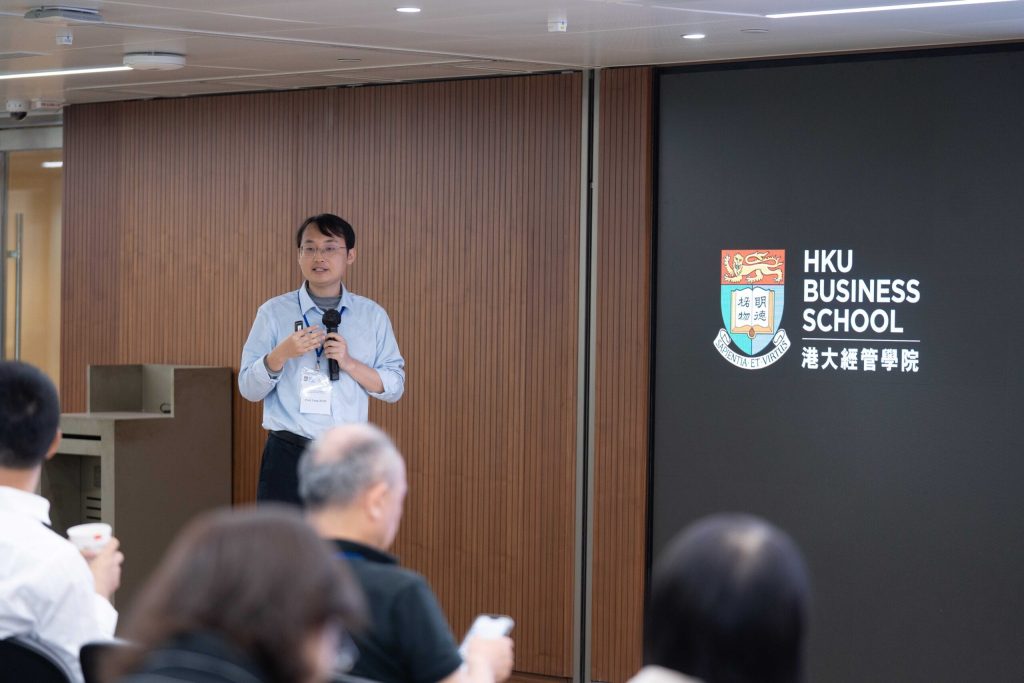
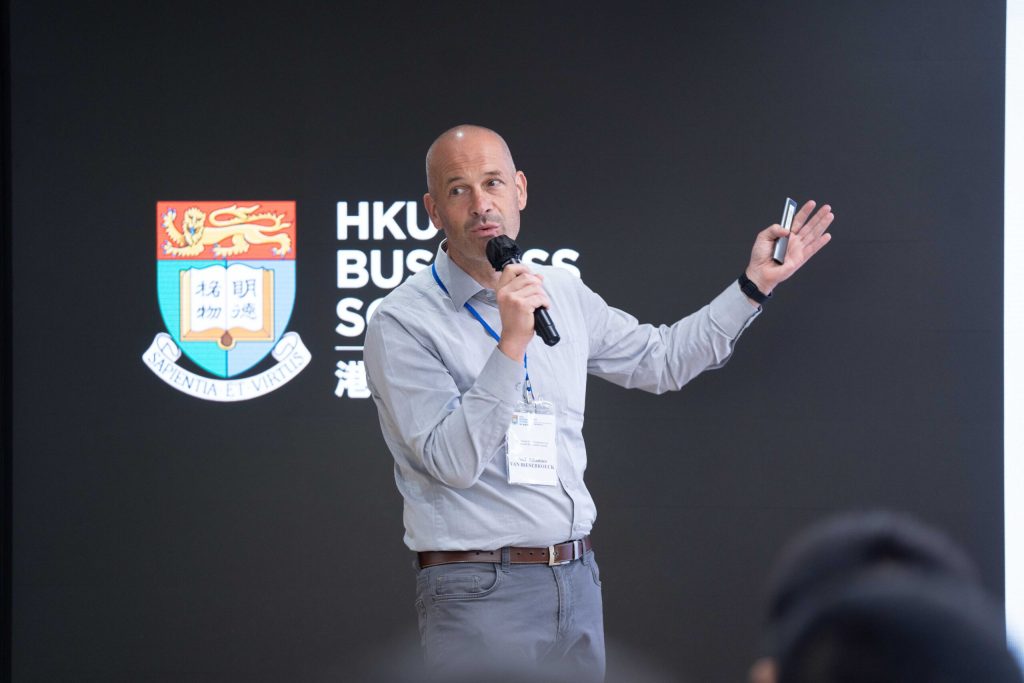
- Johannes Van Biesebroeck (KU Leuven)found U.S. sanctions caused a 2% permanent market value loss for targeted Chinese firms, though operational resilience and selective government support mitigated long-term impacts.
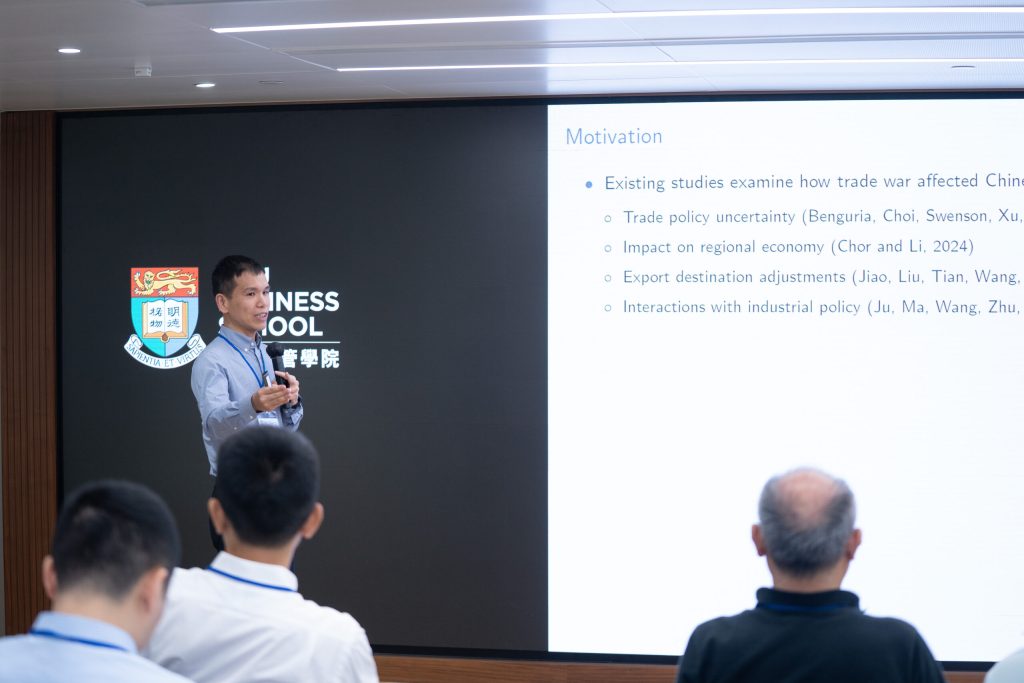
- Xiao Ma (PHBS)linked the U.S.-China trade war to a 28% decline in patent similarity between the two nations, as tariffs redirected Chinese R&D toward domestic and alternative markets.
Industrial Policy & Domestic Reforms
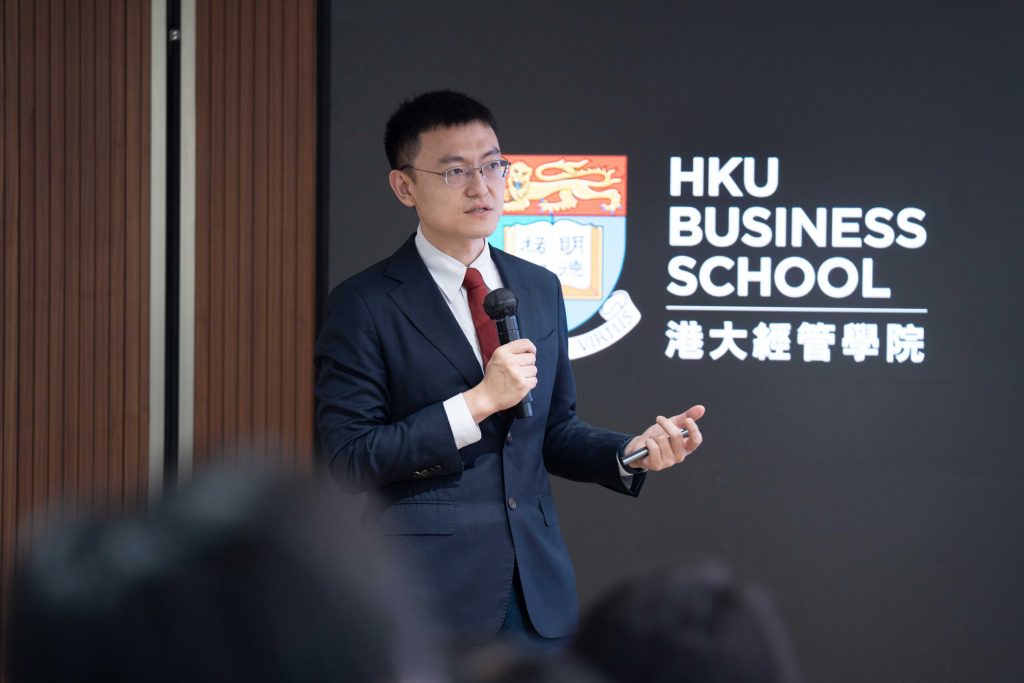
- Harry Li (HKU)exposed hidden costs of China’s industrial subsidies: WTO-permitted retaliatory tariffs offset 22% of sales gains, urging recalibration of state support strategies.
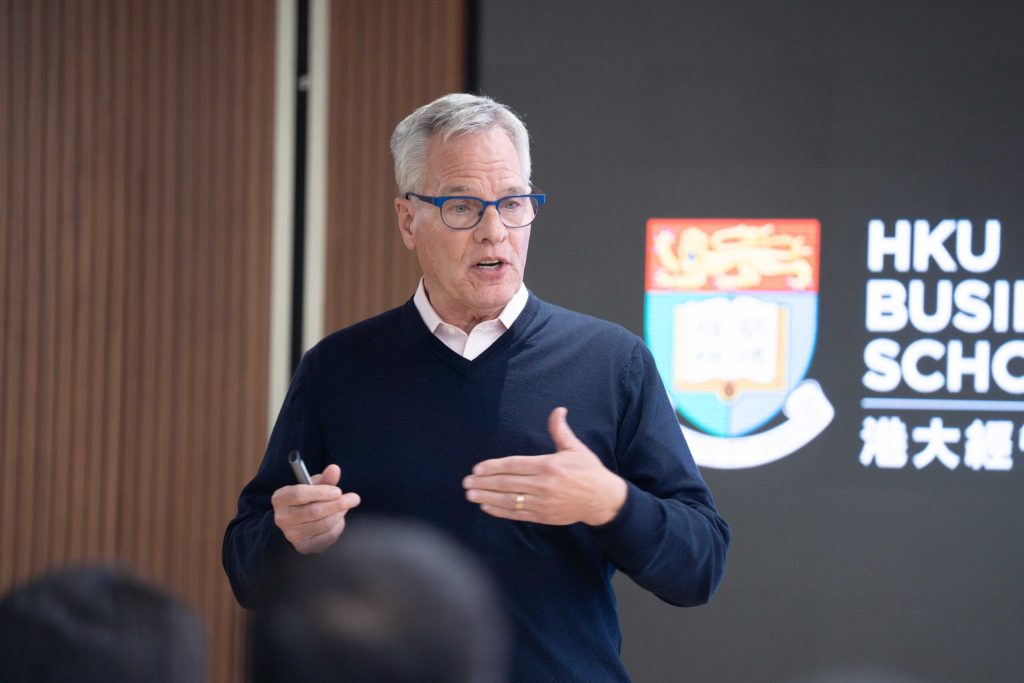
- Loren Brandt (U of Toronto)mapped geographic disparities in China’s steel industry, revealing how local protectionism and ownership barriers hinder restructuring despite overcapacity.
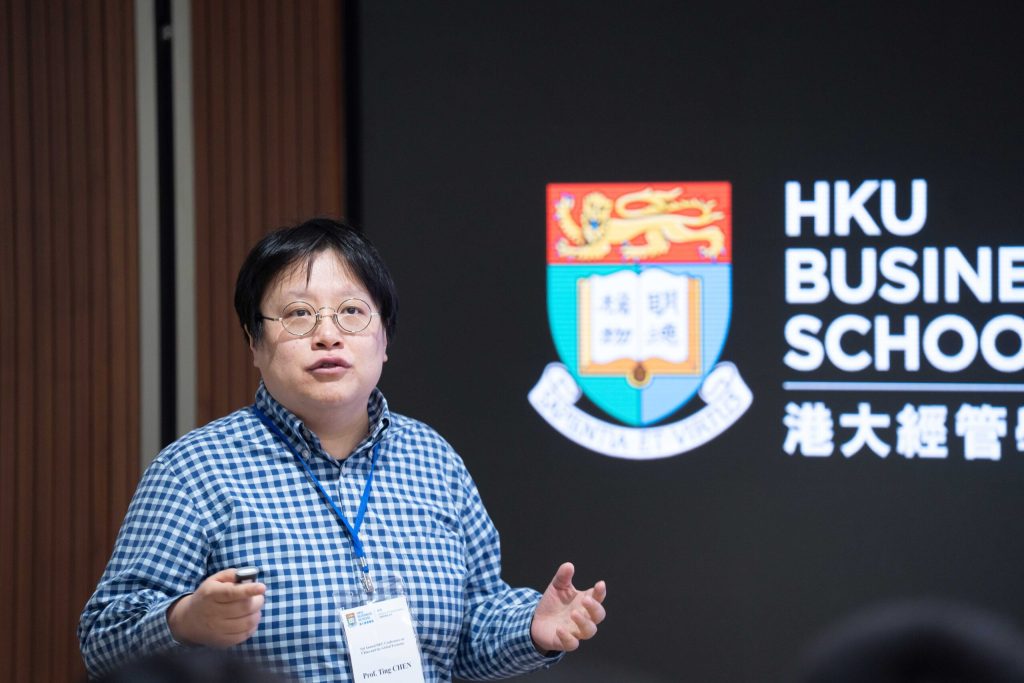
- Chen Ting (HKBU)analyzed land reforms’ gendered impacts: rural women transitioned out of agriculture, while urban women faced widening wage gaps, underscoring uneven policy outcomes.
Migration, Housing & Growth
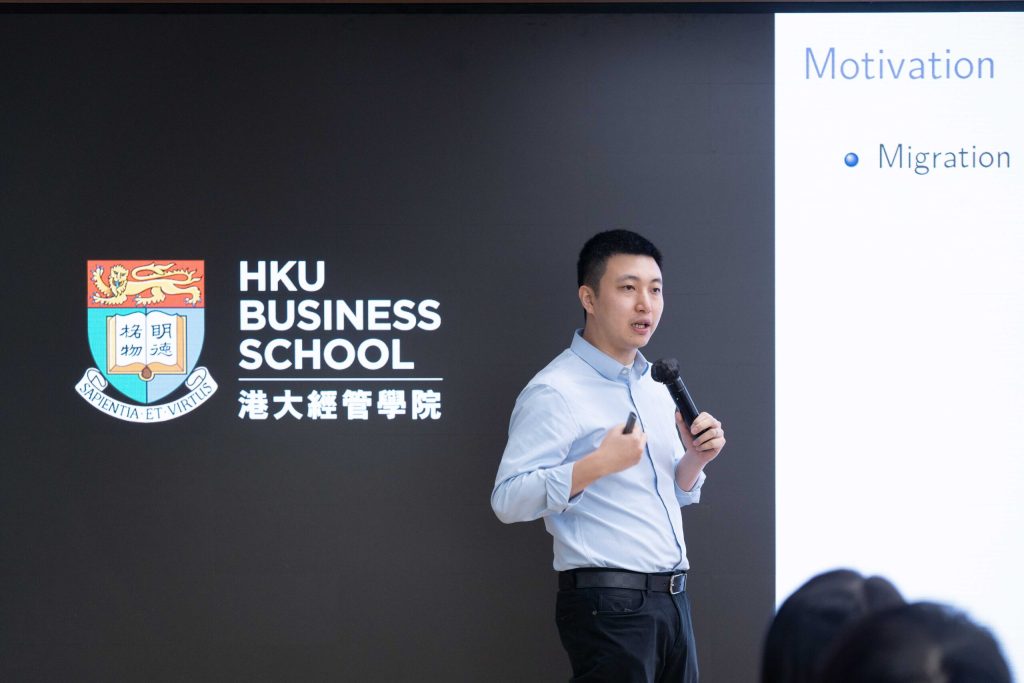
- Zhang Rui (Sun Yat-Sen U)demonstrated that remittances (24% of migrants’ income) alleviate trade-induced inequality, but region-specific “friendliness” metrics are vital to equitable policy design.
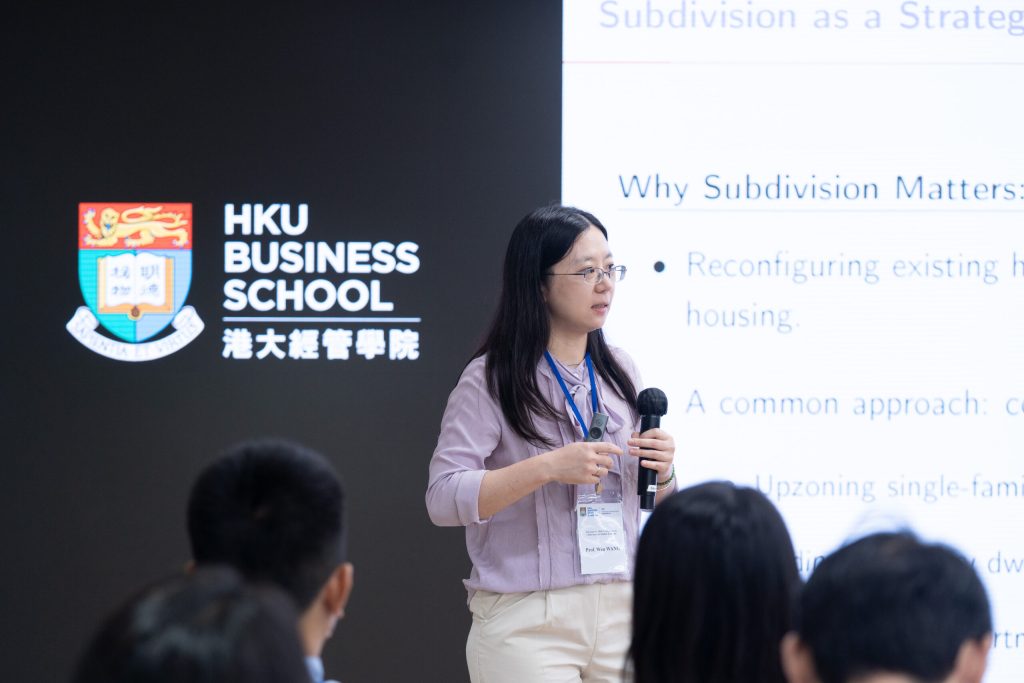
- Wang Wen (HKUST)warned that housing subdivision, while boosting affordability, risks displacing low-income tenants unless paired with targeted zoning and amenity investments.
- Wen Yao (Tsinghua)redefined China’s growth through a neoclassical model, attributing post-2009 slowdowns to institutional inefficiencies rather than pure economic factors.

The conference underscored three critical themes:
- Geoeconomic Fragmentation:Sanctions and trade wars are reshaping global networks, with non-Western financial systems (e.g., RMB, CIPS) gaining strategic traction.
- Domestic-International Nexus:China’s industrial and migration policies have ripple effects on global trade, inequality, and institutional accountability.
- Data-Driven Governance: Novel metrics—from patent similarity indices to regional “friendliness” scores—are essential to decode complex economic interactions.
The Institute of China Economy (ICE) at HKU Business School is a leading research hub dedicated to advancing rigorous analysis of China’s economic development and its global implications. Through conferences, policy briefs, and cross-sector collaboration, ICE bridges academia, governments, and industry to foster evidence-based dialogue.