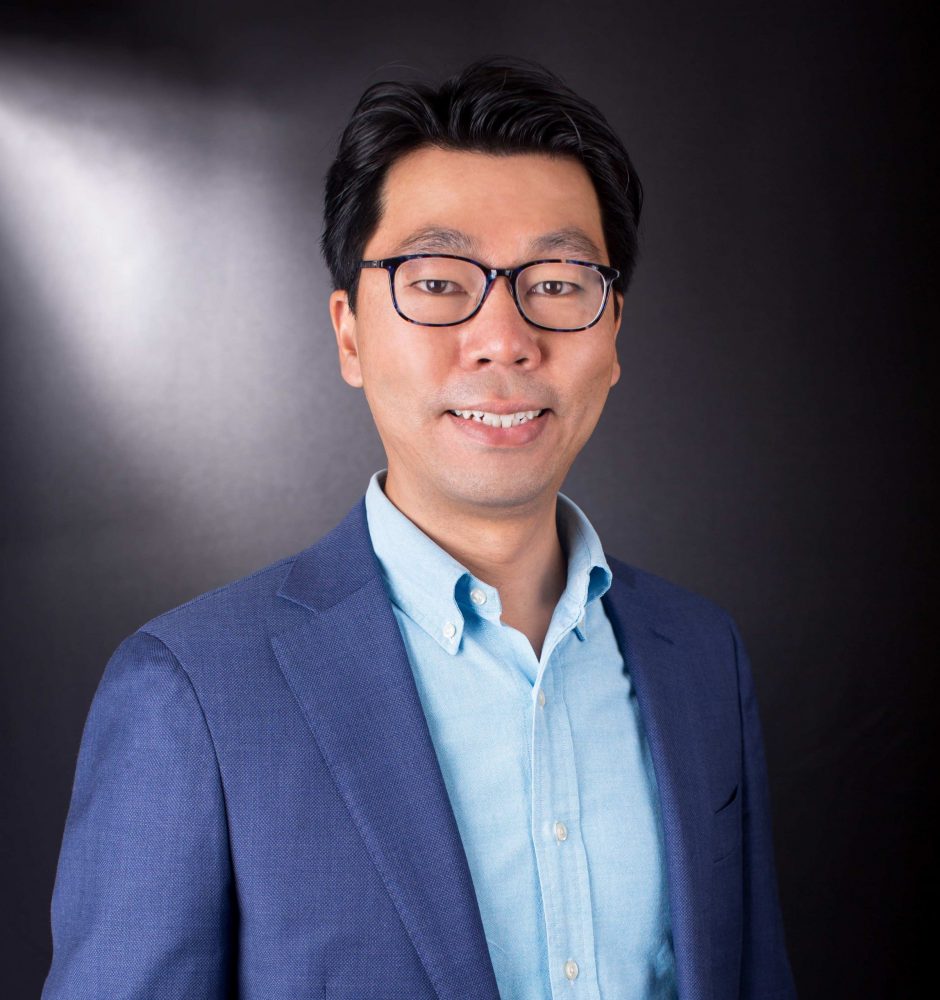
Heiwai TANG
Prof. Heiwai TANG
Economics
Associate Vice-President (Global), The University of Hong Kong
Associate Dean (External Relations), HKU Business School
Victor and William Fung Professor in Economics
Director, Asia Global Institute
Director, APEC Study Center
Associate Director, Hong Kong Institute of Economics and Business Strategy

3917 0029
3917 4388

MB 335/ KK 920

Publications
Trump’s China visit set to test fragile truce

As global attention turns to the Trump–Xi meeting on 13 May — the first visit to China by a US president in nearly a decade — Prof. Heiwai Tang, Associate Dean at HKU Business School, shared his insights in an interview with BBC News, offering a nuanced perspective on US–China economic dynamics.

How Hong Kong’s institutional strengths can power its five-year plan

Geopolitics is reshaping the global trade landscape. The old model of free trade is fracturing as nations retreat into protectionism. Yet, amid this shift, China’s economy remains remarkably resilient. The country is shedding its “world’s factory” label and becoming a technological powerhouse.

Hong Kong’s Institutional Edge in a Fragmented World

Under the sustained impact of geopolitical tensions, nations have prioritized security risks in recent years, shifting the global economic landscape from integrated free trade toward fragmentation. Amidst this transformation, China's economy has demonstrated profound resilience, accelerating its transition from the 'world's factory' to a global technology powerhouse.

This Is Not China’s War, but Beijing Started Preparing for It Years Ago

In light of the escalating tensions in the Middle East and the growing global energy crisis, Prof. Heiwai Tang was recently interviewed by the The New York Times regarding China’s economic resilience amidst potential oil shocks.

National Two Sessions | Scholars: Five‑Year Plan Should Take into Account Hong Kong’s Positioning and Its Distinctiveness from Mainland Cities

In a recent interview with RTHK, Prof. Heiwai Tang, Associate Dean at HKU Business School, stated that the Five-Year Plan plays an important role in driving Hong Kong's economic transformation and diversification.

2026 National Two Sessions: Everyone Weighs In on the Five‑Year Plan

Prof. Heiwai Tang, Associate Dean of HKU Business School, recently shared his insights with Ta Kung Pao on the need for a formal Five-Year Plan with a 'concrete action list' for Hong Kong. Prof. Tang stated that Hong Kong’s traditional "small government" mindset and reliance on short-term fixes are no longer sufficient to tackle "deep-seated structural challenges" such as housing affordability, an ageing population, wealth disparity, and limited upward mobility for youth.

New Budget Raises Tax Allowance – Are the Middle Class No Longer Being Overlooked?

The newly published Budget shows the Hong Kong Government has reversed recent deficits and achieved a fiscal surplus this year. However, does this signal a sustainable recovery? In a recent interview with TVB’s News Magazine, Prof. Heiwai Tang, Associate Dean of HKU Business School, offered a grounded perspective on the figures.

Budget 2026: Insights on the proactive alignment with the National 15th 5-Year Plan and Northern Metropolis development

Prof. Heiwai Tang, Associate Dean of HKU Business School noted in multiple media interviews that as long as Hong Kong keeps its debt-to-GDP ratio below 20%, financial risks remain manageable. With development progress in the Northern Metropolis lagging expectations, Prof. Tang believes the funding boost is both necessary and timely.

From “China+1” to “US+1”: How Should Hong Kong Position Itself?

Earlier, Prof. Heiwai Tang, Associate Dean of HKU Business School, was interviewed by HKET and pointed out that SMEs often encounter three major pain points during their global expansion: a shortage of top-tier talent with international experience, capital constraints due to foreign exchange controls that hinder cross-border fund transfers, and the challenge of finding appropriate upstream and downstream partners to restructure their supply chains. In navigating these hurdles, Hong Kong plays a crucial strategic role.