


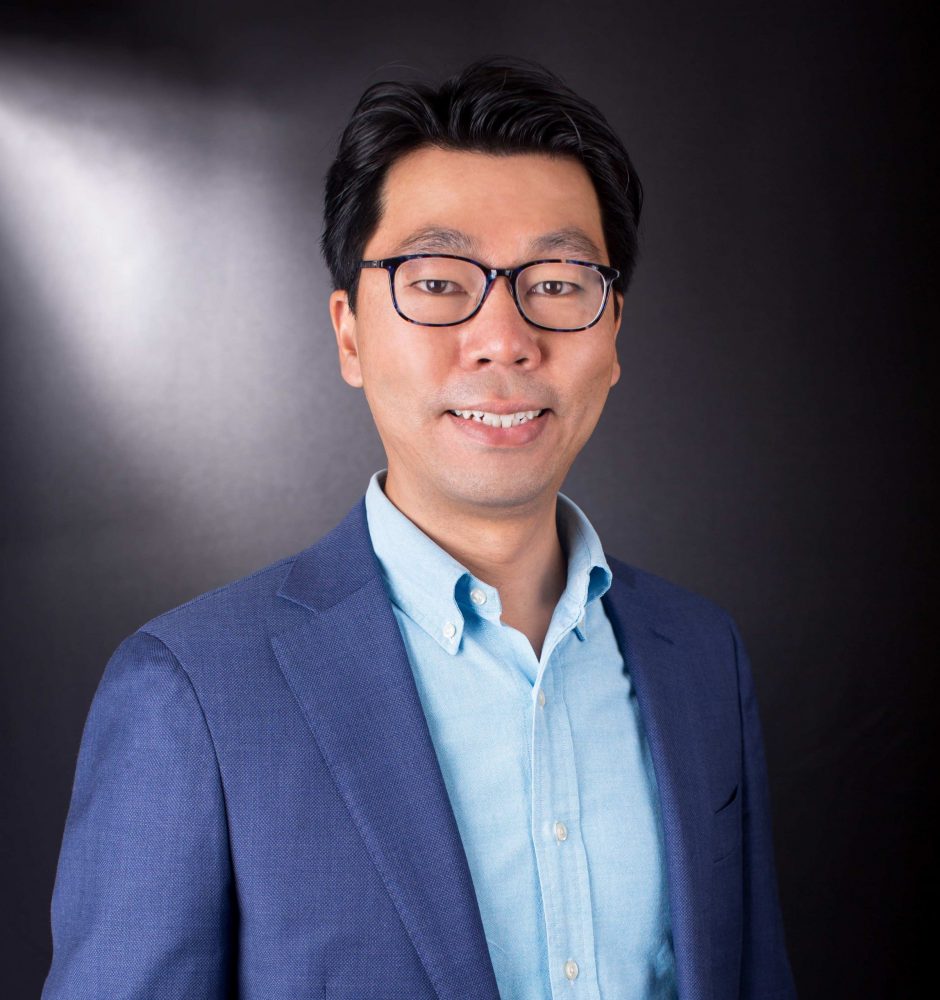
In a recent interview with RTHK, Prof. Heiwai Tang, Associate Dean at HKU Business School, stated that the Five-Year Plan plays an important role in driving Hong Kong's economic transformation and diversification.

3917 0029
3917 4388
MB 335/ KK 920
Prof. Heiwai Tang, Associate Dean of HKU Business School, recently shared his insights with Ta Kung Pao on the need for a formal Five-Year Plan with a 'concrete action list' for Hong Kong. Prof. Tang stated that Hong Kong’s traditional "small government" mindset and reliance on short-term fixes are no longer sufficient to tackle "deep-seated structural challenges" such as housing affordability, an ageing population, wealth disparity, and limited upward mobility for youth.
The newly published Budget shows the Hong Kong Government has reversed recent deficits and achieved a fiscal surplus this year. However, does this signal a sustainable recovery? In a recent interview with TVB’s News Magazine, Prof. Heiwai Tang, Associate Dean of HKU Business School, offered a grounded perspective on the figures.
Prof. Heiwai Tang, Associate Dean of HKU Business School noted in multiple media interviews that as long as Hong Kong keeps its debt-to-GDP ratio below 20%, financial risks remain manageable. With development progress in the Northern Metropolis lagging expectations, Prof. Tang believes the funding boost is both necessary and timely.
Earlier, Prof. Heiwai Tang, Associate Dean of HKU Business School, was interviewed by HKET and pointed out that SMEs often encounter three major pain points during their global expansion: a shortage of top-tier talent with international experience, capital constraints due to foreign exchange controls that hinder cross-border fund transfers, and the challenge of finding appropriate upstream and downstream partners to restructure their supply chains. In navigating these hurdles, Hong Kong plays a crucial strategic role.
Hong Kong is a highly developed economy with close to 94% of its gross domestic product (GDP) generated by the service sector. However, in the current service sector structure lies a “binary structure trap”.
Prof. Heiwai Tang, Associate Dean of HKU Business School, said during a TV interview that, night-time consumption vouchers might only be a band-aid solution in boosting the local economy.
China’s economy is currently in a period of deep structural transformation. Despite the potential of its 1.4 billion-strong domestic market, the contraction of the wealth effect triggered by the real estate correction, together with a high household savings rate (exceeding 43% in 2024) and weak consumer confidence, is constraining the release of domestic demand.
Prof. Heiwai Tang, Associate Vice-President (Global) of The University of Hong Kong and Associate Dean (External Relations) of HKU Business School, believes Hong Kong should first focus on promoting IP development in the cultural industries and life sciences technology.


