



HKU Business School Releases Latest Study on Employee Stress and Wellbeing
The Institute of Behavioural and Decision Science (IBDS) at HKU Business School (HKUBS), in collaboration with the Hong Kong Association for Customer Service Excellence (HKACE), released a new study report focusing on employee wellbeing and stress intervention. The study highlights significant differences in stress levels faced by employees at various organisational levels, and reveals that relying solely on stress education to reduce stress is largely ineffective. Moreover, different intervention strategies have varying efficacy depending on the employee’s position within the organisation.
The study used a mobile phone-based measurement-and-intervention approach for a three-week employee stress survey and intervention exercise. The featured questionnaire focused on measuring the burnout level of employees and three types of workplace stress: challenge stressors (such as from workload and job responsibilities), hindrance stressors (such as from bureaucracy and role conflicts), and interpersonal stressors (such as from coworker conflicts).
During the two-week intervention period, participating employees showed significant reductions in stress levels. The results suggest that, in the AI era, firms can now use artificial intelligence tools to develop mobile apps that reduce employee stress more effectively, promptly, and precisely. Traditional corporate stress interventions require lengthy preparation and high costs. In contrast, AI-supported frameworks can be used to collect real-time physical and mental health and stress data, conduct analysis, and deliver personalised interventions. Companies can also use the data to build an employee stress index and periodic curves to improve efficiency in human resource management. Surveying employees’ stress can also be completed anytime, anywhere, and this offers improved convenience, timeliness, and cost-effectiveness.
Key findings include:
- Providing stress education alone is largely ineffective. Effective stress reduction depends on targeted intervention measures.
- Stressors are varied and should be addressed precisely: challenge stressors should not be eliminated entirely; a moderate amount of challenge stressors preserves work motivation and prevents overload. However, hindrance and interpersonal stressors should be minimised as much as possible, as they harm job satisfaction.
- Employees at different organisational levels require different interventions: promotion-focused intervention is generally more effective for manager-level employees. These include directly confronting problems, planning actions, seeking support, and enhancing self-resilience. Prevention-focused intervention is generally more effective for non-manager employees, such as reducing workload, emotional venting, distancing oneself from stressors, and declining excessive demands.
Professor Echo WAN, Associate Dean and Director of the Institute of Behavioural and Decision Science at HKU Business School, stated, “Through this research, we aim to encourage organisations to pay closer attention to stress management of employees with different job roles and levels of responsibility, adopt targeted and scalable strategies, and foster happier, more sustainable workplaces.”
Professor Chi Kin (Bennett) YIM, Stelux Professor in Marketing of HKU Business School, said, “Effective stress intervention strategies can significantly enhance employee wellbeing and productivity. We look forward to this framework bringing tangible benefits to more organisations in promoting employee wellbeing.”
Mr. Derek CHOI, Chairman of Hong Kong Association for Customer Service Excellence, said, “These findings, developed in collaboration with leading academic partners, empower our member companies to adopt a more strategic approach to employee wellbeing. By understanding how stress impacts different roles and identifying the most effective interventions, organisations can not only alleviate daily pressures but also elevate their customer service performance. This scalable framework provides practical tools to build healthier, more resilient teams, ultimately driving excellence in customer experience. At HKACE, we believe that investing in people is the key to delivering service excellence that lasts.”
Photo Caption
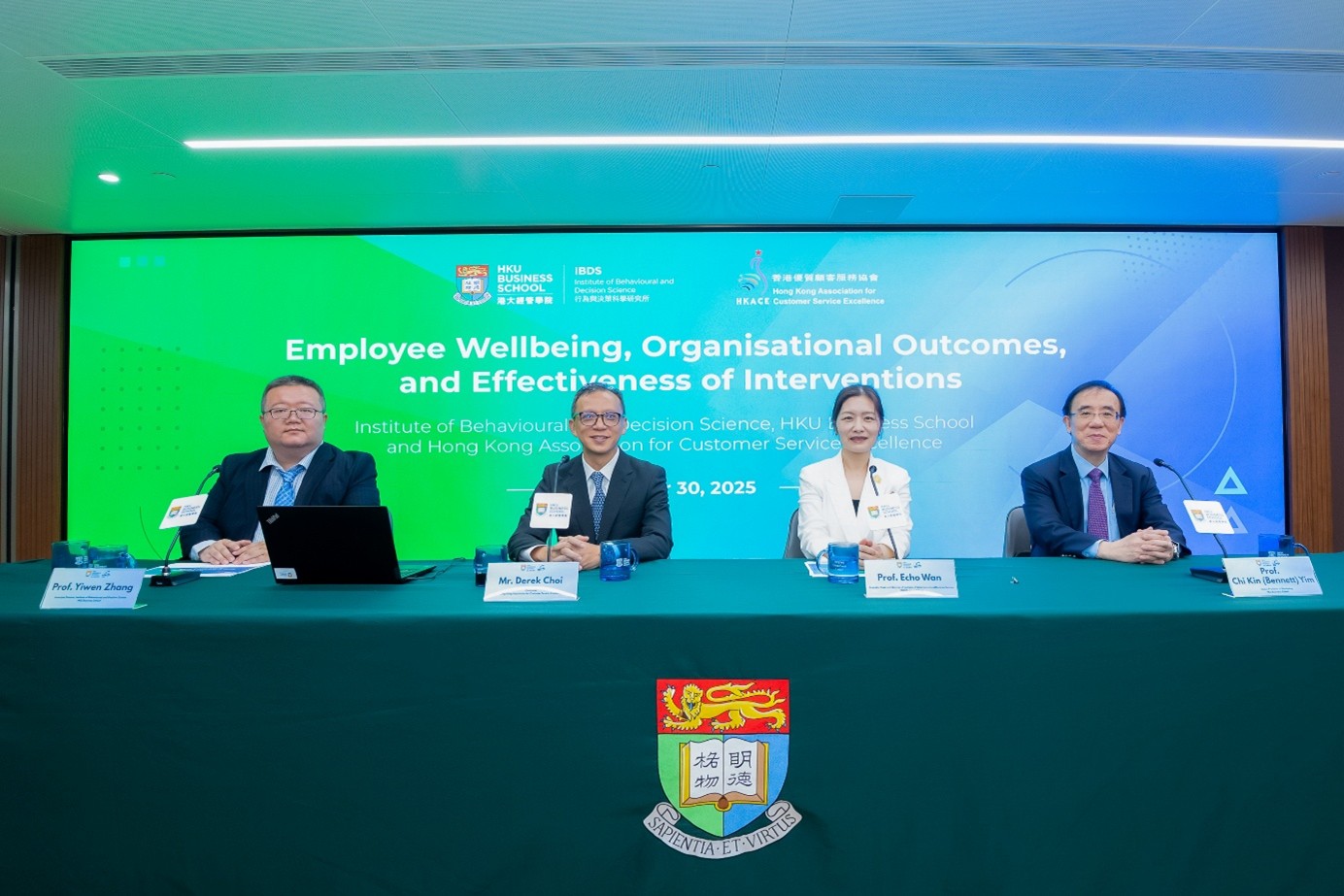
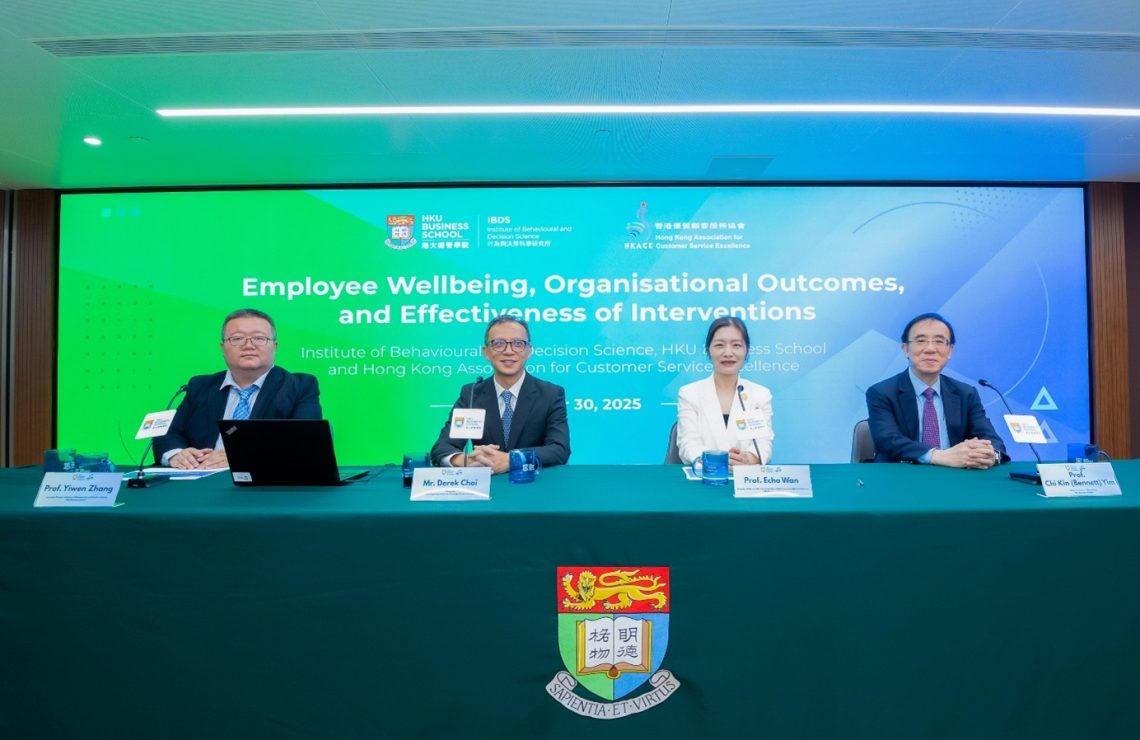
(From left) Professor Yiwen ZHANG, Associate Director of the Institute of Behavioural and Decision Science at HKU Business School, Professor Echo WAN, Associate Dean and Director of the Institute of Behavioural and Decision Science at HKU Business School, Mr. Derek CHOI, Chairman of Hong Kong Association for Customer Service Excellence, and Professor Chi Kin (Bennett) YIM, Stelux Professor in Marketing at HKU Business School.
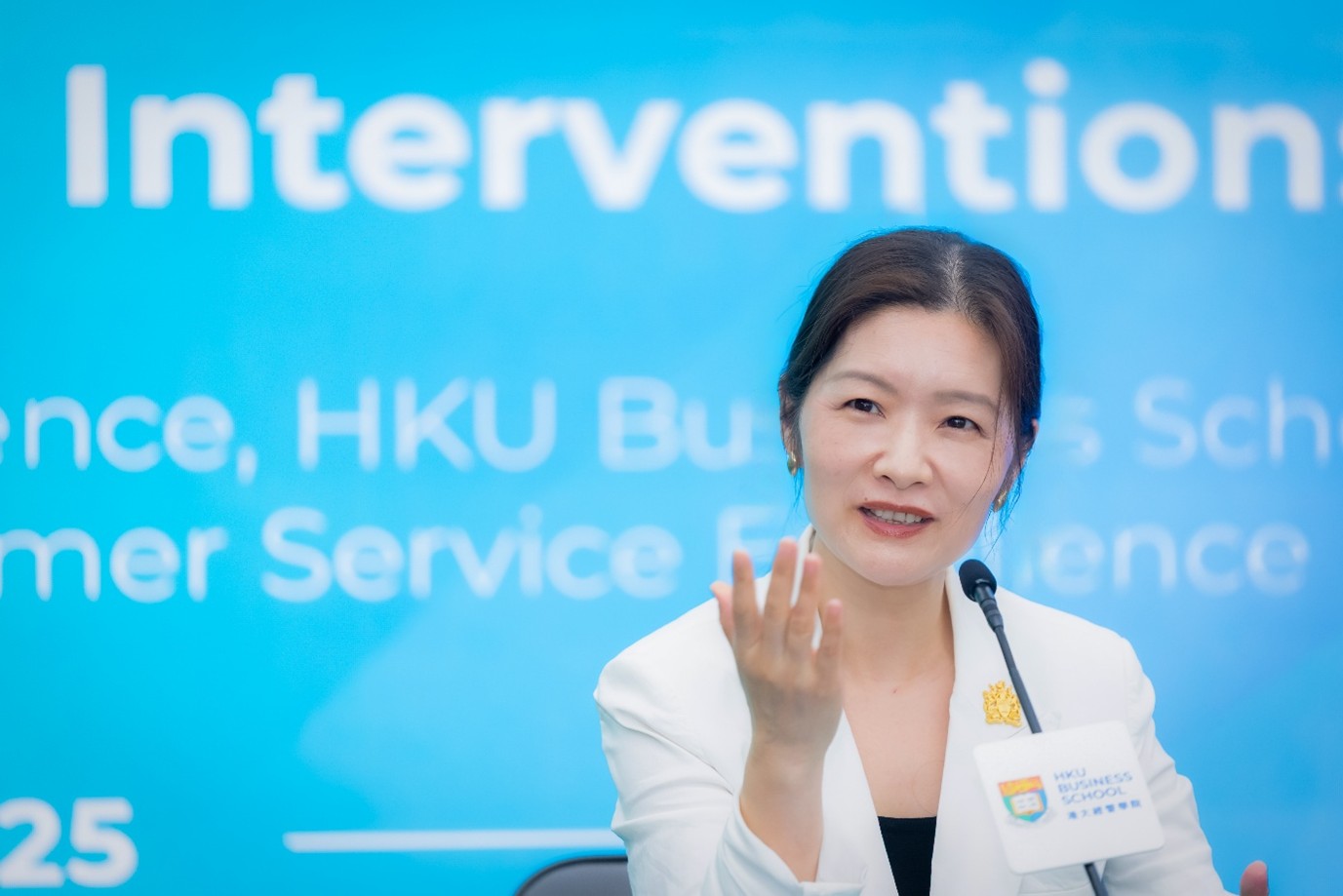
Professor Echo WAN, Associate Dean and Director of the Institute of Behavioural and Decision Science at HKU Business School, delivers opening remarks.
 Derek CHOI, Chairman of Hong Kong Association for Customer Service Excellence, delivers remarks.

Professor Yiwen ZHANG, Associate Director of the Institute of Behavioural and Decision Science at HKU Business School, presents research findings.

Professor Chi Kin (Bennett) YIM, Stelux Professor in Marketing at HKU Business School, shares insights and implications from the study.
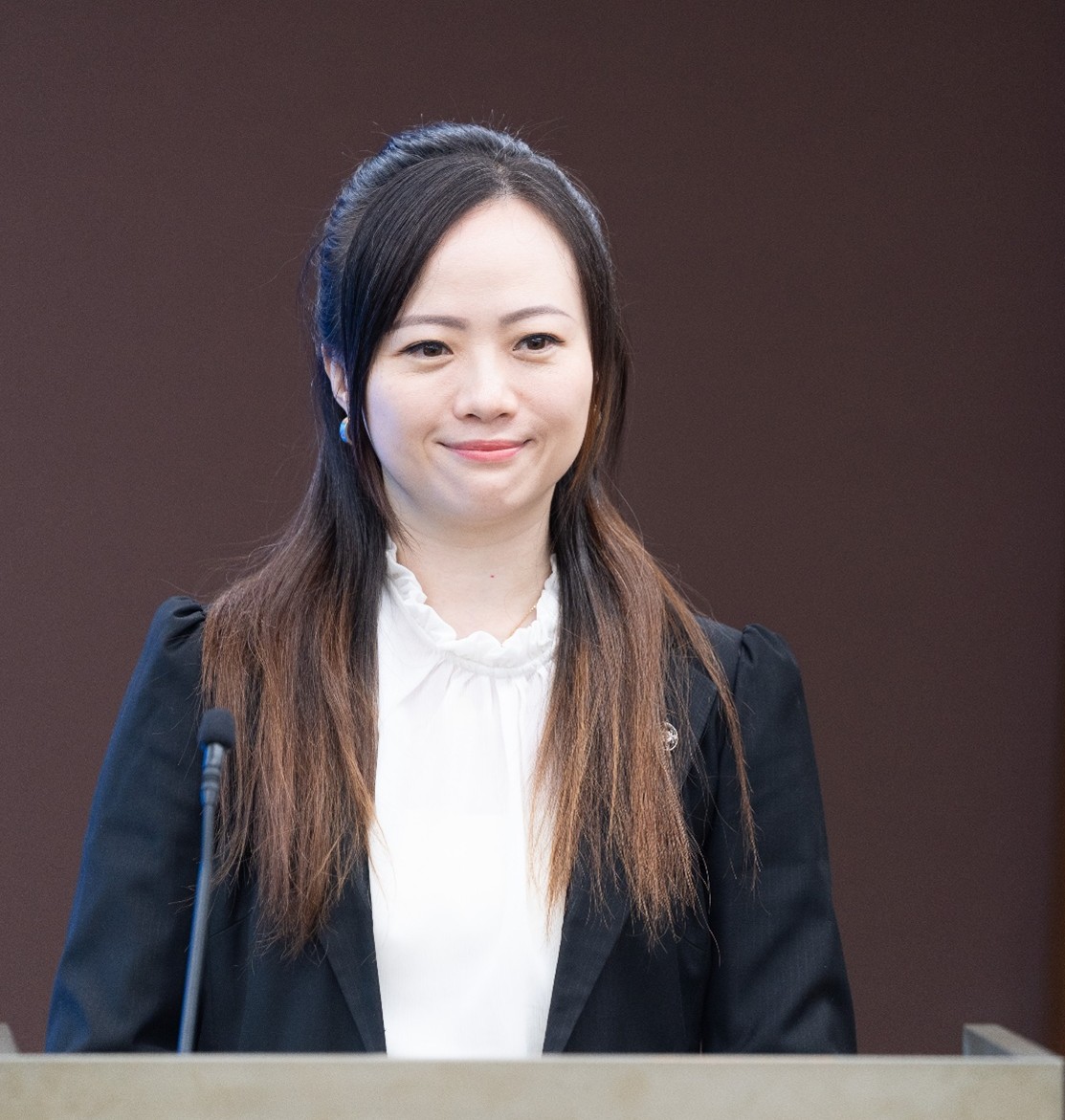
Barbie CHEUNG, Hong Kong Jockey Club, shares a successful case on improving employee wellbeing.
Hi-res photos are available here.