


建立和拓展金融科技初創企業的不二法門:港大經管學院與亞洲金融科技師學會聯手激發創新思潮

由 港大經管學院 和 亞洲金融科技師學會 於六月十六日聯辦的網上講座「如何在香港和大灣區建立與拓展初創企業及金融科技項目」吸引逾百人參加。
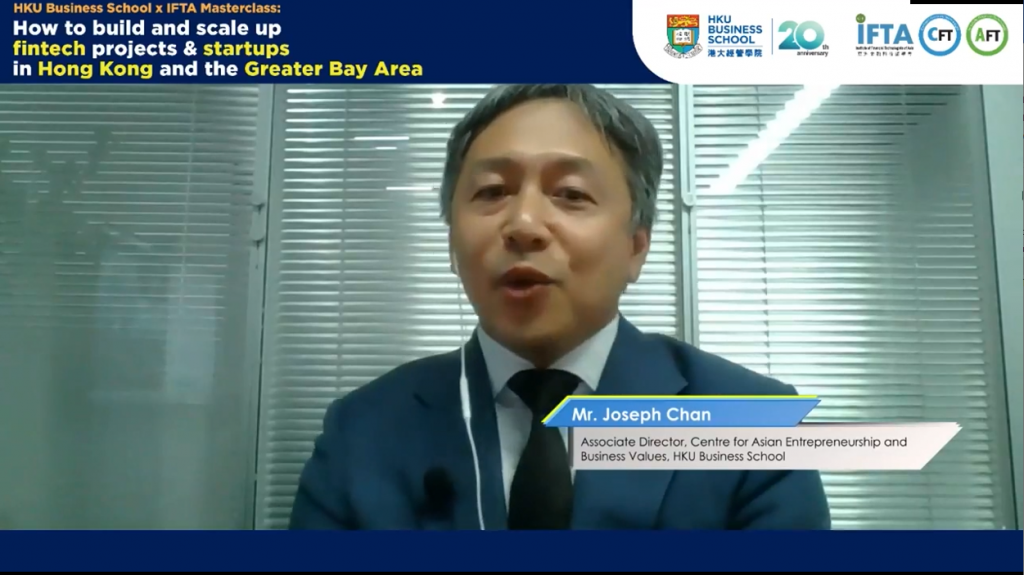
港大經管學院亞洲創業與營商價值中心副總監陳炳雄先生在開幕致詞時,表示學院立志為香港丶中國內地以及海外的創科及創業團體提供催化動能。陳先生認為學院最近落成的北京中心,以及快將開幕的深圳中心能支援本地創業家拓展海外市場,並幫助他們與「變革者」相互合作。他認為學院與亞洲金融科技師學會聯辦這場充滿互動性的網上講座,能夠充分證明學院一直堅定地促進本地金融科技發展,以及為香港構建一個理想的創業生態系統。陳先生相信學院會持續推動香港的金融科技創新,並釋放本地金融科技企業的潛能。

來自亞洲金融科技師學會的嘉賓與大家分享他們在香港和大灣區創辦和拓展金融科技初創企業上的經驗,他們從中受到的啟發和創業的竅門。雖然很多人都以為創業只是屬於年輕人的青蔥回憶,但傳碩集團公司聯合創始人兼首席執行官黃譚勝先生以他創業的故事激勵我們「有心未怕遲」。他指出豐富的工作經驗有時候能在創業路上助你解決很多困難。「企業家必須意志堅定丶足智多謀丶而且靈活富韌性。創業就像摸著石頭過河,過程中亦沒有任何規程可以給你參考。」黃先生鼓勵有自信能為市場帶來變革創新的本地人士投身創業的偉大航道。在黃先生眼中,創建屬於自己的事業永不言遲。

聯企融資集團主席葉仕偉先生以其企業資助者的身份,指出資助者只會投資在有潛質持續拓展業務,成為市場領導者的初創企業。「對初創企業而言,要拓展業務,就必須擁有穩健的現金流,可靠的資訊科技系統,以及一支全面的團隊。初創企業必須時刻檢視和改革其營運模式,持續尋找新的資助者,並致力進行研發開發,緊貼環球市場的步伐,方能令業務蓬勃發展。」

葉先生鼓勵本地初創企業拓展大灣區市場,並利用港企的優勢完善當地的生態系統。葉先生明白本地的初創企業對中港兩地的法制差異感到不安,故他建議有意進軍大灣區的初創企業可以先找一些戰略性夥伴,並向社群建設者(community builders)和專業機構求助。企業亦要善用大灣區專門開發應用程式的豐富人才,提升自身的實務能力。黃譚勝先生對此表示認同。他相信沒有人能漠視中國的崛起和粵港澳大灣區這個龐大的市場,這一點對完善新加坡的初創企業生態系統亦相當重要。

有鑑於中國政府近年正積極推廣數字人民幣和各類電子支付科技,葉先生倡議香港應努力成為大灣區中的區塊鏈暨虛擬貨幣研究中心,並積極聯同大灣區和其他海外國家培育科研人才。葉先生相信,這可以使香港成為數字人民幣,甚至數字港元的最佳試點,進一步完善我們的金融科技生態系統。

雖然數字貨幣可以解決跨境貿易中流動性短缺的問題,大大增加交易效率,但黃先生指出當中涉及的跨國合規問題相當複雜,制定可行的監管機制也需時。故他相信數字貨幣在短期內並不會成會國際交易中的主流媒介。即便如此,黃先生對金融科技的未來仍然相當樂觀。他相信機器學習和5G科技的發展將會為科技創新和物流科技帶來更多突破。

本港的著名人工智能研究員,以及港大經管學院亞洲創業與營商價值中心副總監陳建行博士為講座進行總結,並指出:「創業就是不斷的評估和尋找機遇,並把這些機遇轉化為對市場有益的商品和服務。」與會嘉賓都非常期待本地的初創企業能繼續努力在大灣區中尋找機遇,並茁壯成長。成功的竅門,在於企業必須建立一套可行的商業模式;對一個經濟體而言,則是建立一個利於集資的生態系統。
閱讀更多

衍生工具的雙面刃:從實證了解信用違約互換的利弊

「信用違約互換」(CDS)交易近年來在環球市場上發展迅速。CDS除了作為一種兼具避險和投機功能的金融衍生工具,同時亦可被銀行用作信用衍生工具,以減低監管機構對他們的資本要求。港大經管學院金融學教授湯勇軍及其團隊研究發現,利用 CDS滿足資本要求的銀行能夠以更多的資金提供額外的金融服務,但同時貸款期亦可能相對延長,大大增加其資產組合的風險。

是次研究由湯勇軍教授與上海財經大學金融學院的陝晨煜​博士,上海高級金融學院嚴弘教授以及美國聯邦儲備局周星博士進行。團隊研究超過105所位於美國的大型銀行由2001年至2014年間所進行的CDS交易、資本要求丶貸款交易和其他財務數據。該項研究於今年年初在全球五大金融學期刊之一的「金融研究評論」(Review of Finance) 中發表。

對比單純以CDS作為投機工具的銀行,以CDS滿足資本要求的銀行在盈餘丶資產回報率和股本回報率方面都有較為優秀的表現。湯教授認為:「事實上,銀行業的利潤率不高。故此對銀行而言,透過增加資產總值以提升整體收入其實相當合理。一般來說,以CDS滿足資本要求的銀行能夠釋出10-15%的資產,以增加更多的交易。」

儘管CDS令貸款在監管機構和投資者眼中看似風險較低,但以CDS降低批准貸款延期對市場的實際影響卻仍有很大的研究價值。在金融危機時,以CDS作為避險工具的成本難免會大幅增加,令CDS在風險轉移和滿足資本要求上的功能減弱。由於這些銀行的資產組合風險普遍較高,他們在金融危機時或面臨流動資金的短缺,甚至未能達到監管機構的資金要求。縱然他們依然能夠利用CDS滿足資本要求,其金額亦不一定能夠為銀行提供足夠的流動性。研究發現,對比單純以CDS作為投機工具的銀行,以CDS滿足資本要求的銀行在金融危機中向政府索取的援助金相對較多。湯教授指:「換句話說,在金融危機時CDS將轉移銀行的風險到政府和納稅人身上。」

但總括而言,湯教授仍認為CDS的存在對金融市場是利多於弊。湯教授發現CDS的交投在新冠疫情爆發前非常活躍,而且很多對沖基金和機構投資者亦成功利用CDS轉移大多數的風險。其次,CDS的確能夠提升銀行的表現,為投資者帶來正面得益。再者,市場上的流動性越大,企業在融資方面亦會更加輕鬆,對經濟發展亦大有裨益。有鑑於CDS近年來在內地市場開始興起,湯教授認為市場需要一套有效的監管機制進行調節。湯教授指出:「只有汲取前車之鑑,才能在未來更進一步。」

研究全文(只提供英文版本):
Credit Default Swaps and Bank Regulatory Capital
https://papers.ssrn.com/sol3/papers.cfm?abstract_id=3038730

閱讀更多

HKU Business School students shine at the CGMA Global Business Challenge (GBC) 2021

Congratulations to Geraldi Harlan, a year 1 BBA(Acc&Fin) student and Aurell Sulaiman, a year 1 BSc(QFin) student, who have won the Championship at the Hong Kong Semi-Final of CGMA Global Business Challenge. The team, comprised of two students from our School and two other members from the Faculty of Engineering, competed in the GBC 2021 North Asia Final with the winning teams from Mainland China, Macau, Japan, Taiwan and Mongolia. They have won the Awards of Commendations and Geraldi has received the Future Business Leader Award in the North Asia Final.

The competition adopted an actual case scenario under the CIMA professional qualification and required student teams to apply and integrate their business knowledge to help solve practical problems.

The team believed that team cohesion was essential for them in winning the competition. “Teamwork is one of the essential building blocks of success in a case competition. Without it, no matter how good the content of the presentation is, the overall delivery would be adversely affected and leave a bad impression to the judges.” They also thought it’s crucial to have a strong sense of self-belief. “Although our team comprises of freshmen from the Business and Engineering Faculties, we are able to make it to the final round and stand out from the competitors who are senior students with more experiences and advanced knowledge.”

CGMA Global Business Challenge (GBC) 2021, initiated by the Chartered Institute of Management Accountants (CIMA), is an international business competition designed to bring out the best in the young business leaders of tomorrow.

More information about the Challenge: https://ug.fbe.hku.hk/competition/cgma-global-business-challenge-2021

閱讀更多

社會責任投資基金未能有效鼓勵企業肩負更多社會責任

社會責任投資(SRI)基金近年在金融市場越趨普及,投資者日益重視企業在減少環境污染丶提升僱員福利和客戶體驗、以及促進董事局多元共融等社會責任議題上的表現。然而,最新的研究卻發現,SRI基金雖然在選擇具社會責任的公司方面眼光獨到,但這些基金的注資卻未能有效鼓勵企業在執行社會責任上更進一步。

港大經管學院金融學教授Roni Michaely與猶他大學(University of Utah)的Davidson Heath及Matthew C Ringgenberg,以及邁阿密大學(University of Miami)的Daniele Macciochi開創先河,就著SRI基金對企業行為的影響進行業界首個的研究及分析。SRI基金的總體市值在過去十年間翻倍,深受投資者追捧,以貝萊德集團(BlackRock)最近推出的一款SRI基金為例,基金在上市首週便成功集資近6億美元,因此是次的研究對投資者極具參考價值。

Michaely教授表示:「我們的研究重點在於SRI基金到底能否改變企業實際行為。我們發現基金雖然有正確投資在積極進行環境保護和各項社會責任活動的企業上,但在獲得基金投資後,這些企業卻並未有肩負起更多的社會責任。可見基金未能有效推動企業改善及進步。」

研究團隊對比企業在SRI基金注資前後在環境保護和其他社會責任活動上的表現,發現SRI基金所挑選的企業相對於非SRI基金排污量更低丶董事局更多元化丶員工滿意度及工作場所安全度較高丶顧客投訴亦較少。但在獲得注資後,他們的社會責任表現卻並未有進一步提升。

這些企業在減排方面的投資,在被注資前後幾乎沒有任何差異,意味著基金並未能鼓勵企業增加環保方面的投資或進一步減排;他們的僱員和客戶滿意度也沒有太大差異,證明基金並未能激勵企業進一步滿足他們的僱員和客戶。然而,這些企業在獲得SRI基金後,他們董事局中的女性和非白人比例分別有1.4%和0.5%的輕微增幅。只是這些增幅過低,並不能視為重大的變化。

Michaely教授續道:「SRI基金與企業持份者之間的關係主要有三種:第一種,SRI基金的表現與非SRI基金其實並無差異,即俗稱的「漂綠」;第二種,基金選擇只對在環境和全球問題方面已有足夠關注的企業進行投資;第三種,基金主動與企業合作,幫助他們降低風險並進一步優化其社會責任行為。我們的研究發現,雖然SRI基金的投資取向確實與非SRI基金不同,但它們的投資決定以及投資金額對企業的決策行為沒有產生任何實際影響。換句話說,SRI基金與企業間只產生第二種關係中的「選擇效應」(selection effect),而並非第三種關係的「處理效應」(treatment effect)。」

研究的結果向投資者發出一個重要的訊息,證明SRI基金未能改善企業的實際行為,因此投資者不應抱有過高期望。隨著SRI基金在市場上利潤日增,研究團隊認為監管機構應要求這些基金提高更詳盡、更透明的資訊。

研究全文(只提供英文版本):
Does Socially Responsible Investing Change Firm Behavior?
https://ssrn.com/abstract=3837706

閱讀更多

打破傳統ETF的迷思 - 了解沽空ETF如何有利於股票市場

交易所買賣基金(ETF)流動性高而且價格相對親民,被視為互惠基金以外的另一選擇。在2020年,環球市場上有超過7,000種ETF產品,總值達 7.74 兆美金,遠多於2010年時的1.3兆美金。ETF產品在十年間的顯著增長,反映這種指數基金的巨大發展潛力。雖然有聲音批評傳統的ETF過於被動,未能有效反應市場訊息,然而港大經管學院金融學副教授黃詩楊博士及其研究團隊卻發現,行業ETF在美國市場中能有效規避風險,並能提升市場效率。其研究更證實行業ETF是一種對投資者和市場有利的優質金融科技創新技術,因此建議監管機構應鼓勵相關產品的發展。

以「長短倉策略(Long Short Strategy)」提升市場效率
以ETF作為避險工具非常普遍。據彭博新聞在2017年的報導,對沖基金持有的ETF短倉高達1030億美金,相比起他們持有的43億美金長倉,相差近兩倍之多。一般而言,市場上的沽空餘額(即被沽空但未被回購的證券)越高,熊市氣氛越強。但黃博士發現,擁有更多消息的投資者往往會採取一種 「長持股票,沽空ETF」的「長短倉策略」,運用企業消息賺取利益,同時對沖行業風險。

黃博士解釋,即使投資者在業績公佈前已得悉股票即將獲利,但股價的升幅,往往仍會受到行業整體表現和宏觀市場氣氛等外圍風險影響。為有效地對沖風險,對沖基金會選擇長持他們擁有利好消息的股票,並沽空該股票所屬的行業ETF。黃博士和他的研究團隊發現,這種「長持股票,沽空ETF」的策略能幫助市場吸收相關訊息,並有效減低盈餘公告後的股價波動,令公司的真實價值能實時反映在股價上。因此,引入相關的行業ETF能有效穩定企業的股價。

Smart Beta ETF 能否為投資者創造價值?
在眾多ETF產品之中,建基於資產價格數據的Smart Beta ETF最受市場追捧。Smart Beta ETF由不同組合的股票價值增長值數量丶或市場趨勢等因子構成。截至2018年,Smart Beta ETF產品佔美國ETF市場總體的20%。據貝萊德(Blackrock)的預測,Smart-Beta ETF 的市場總值將於2025年增長至2兆美金。

但同時,黃博士研究卻指出Smart-Beta ETF雖在回溯測試 (Backtest) 中得到理想結果,在正式推出市場後表現卻往往不似預期。在研究238種於2000-2018年間在美國上市的Smart-Beta ETF後,黃博士發現Smart-Beta ETF的表現落差並非由「市場效率上升 」丶「上市時機失誤」丶或「規模收益遞減現象」等因素導致。相反,Smart-Beta ETF的表現欠佳是由於在回溯測試的數據挖掘 (Data mining)過程中受人為操作影響所致。數據挖掘的情況在追蹤多因子指數的Smart-Beta ETF中特別嚴重,主要是因為ETF保薦人在選擇及組成Smart-Beta ETF追蹤因子的過程中擁有很大的自主權。研究發現,追蹤多因子指數的Smart-Beta ETF在上市前聲稱能帶來年均 4.11% 的回報。但上市後,他們卻需承受年均0.79%損失。亦有聲音指出,Smart-Beta ETF的表現不理想是因為管理費用過高,但研究發現即使去除管理費的因素,Smart-Beta ETF的市場表現依然比不上傳統的指數型ETF。

雖然研究顯示Smart-Beta ETF上市前後的表現有明顯差距,但黃博士指出,在特殊的情況下,Smart-Beta ETF的表現依然有機會超越傳統ETF。例如在現時的「零息」環境下,追蹤高股息的Smart-Beta ETF仍有可能「跑贏大市」。因此,他建議投資者應在購買此類新型投資產品前謹慎考慮,切忌盲目相信Smart-Beta ETF個別因子所反映的表面數據。

閱讀更多(只提供英文版本)
Innovation and Informed Trading: Evidence from Industry ETFs
The Smart Beta Mirage

閱讀更多

Learning the state-of-the-art social collaboration in a fast-paced global business environment

Twelve HKU Business School students joined the Virtual Business Professional (VBP) Project in March. They were placed in teams of 5-6 people with around 100 students from 16 different universities worldwide to work on a consulting project for companies including Netflix, Starbucks and Google. Throughout the project, students learned many essential remote working skills, intercultural communication skills, different business models and marketing strategies, and how modern virtual collaboration can be powered by artificial intelligence technology. The VPB Project offered by the Marshall School of Business at the University of Southern California (USC) is a six-week project that offers students an opportunity to collaborate and work in a virtual setting with students from all over the world to develop virtual and cross-cultural collaboration skills using state-of-the-art collaboration tools.


Ho Yin Yee Jocelyn, BBA(Law)&LLB, Year 2“I was fascinated to learn about various content, such as different social media strategies, crowdfunding, donor retention, content creation, bolted in reputation etc. Such knowledge would not be covered in the ordinary academic syllabus, yet crucial to internships and job seeking.”


Ho Yin Yee Jocelyn, BBA(Law)&LLB, Year 2

Chu Tsoi Yan Jenny, BBA(IBGM), Year 2“In terms of work processes, virtual collaboration is a whole lot harder than what I’ve expected – It is more than jumping freely into video conferences, utilising popular chat tools and learning how to store files on a shared cloud-based drive. Especially being the only Asian student in the team situated in an opposite time-zone, scheduling a meeting is considered as a big hassle. Even though I had to compromise for 7 am meetings, I have learnt to accommodate the majority’s needs for the team’s overall interest. More importantly, I have developed an adaptive work mode that would be beneficial to my future studies and career.”


Chu Tsoi Yan Jenny, BBA(IBGM), Year 2

Gao Ningling, BEcon&Fin, Year 2“Teammates from different backgrounds have different working styles and we can learn from the difference. For example, one of my teammates has a strong leadership capacity, and he works and aggressively leads us. Feeling inspired to work with him, I think some of his merits can be absorbed by myself.”


Gao Ningling, BEcon&Fin, Year 2


Learn more: https://www.marshall.usc.edu/departments/business-communication/vbp-project

閱讀更多

BBA(IBGM) student Singh Shivang wins the regional final of Hult Prize 2021 Challenge

Congratulations to Shivang Singh (BBA(IBGM), Year 4) who was a member of the winning team “Edilery” in the Hult Prize 2021 Challenge – Regional Final in Manila Impact Summit.

Proudly acclaimed as the “Nobel Prize for Students”, the Hult Prize is the world’s largest social entrepreneurship competition organised by the Hult International Business School and the Union Nations Foundation. The theme of 2021 was “Food for Good – transforming food into a vehicle for change”.

Student teams are required to solve a pressing social issue by developing a scalable and sustainable social enterprise. They were asked to pitch ideas on building food enterprises that will impact the lives of 10 million people by 2030 while strengthening communities, increasing incomes, feeding the hungry and creating jobs.

The team “Edilery” came up with an idea that aspired to drive sustainable impact in fighting climate change, malnutrition and gender inequality. With edible cutlery as the vehicle of change, they aimed to create livelihoods to support communities while eradicating plastic cutlery from the global food and beverage industry and promoting nutrition in regular dietary intake.

Winners of the Regional Finals will join the 2021 Hult Prize Accelerator Programme in the United Kingdom with training, coaching and networking opportunities. Selected teams from the Accelerator will pitch at the Hult Prize Annual Awards Ceremony and Gala to be hosted at United Nations Headquarters in New York in September 2021. One student team will be selected as Hult Prize Laureate and win US$1,000,000 to launch their enterprise.

Learn more: https://www.hultprize.org

閱讀更多

AMPB coffee chat: Insights from financial practitioners

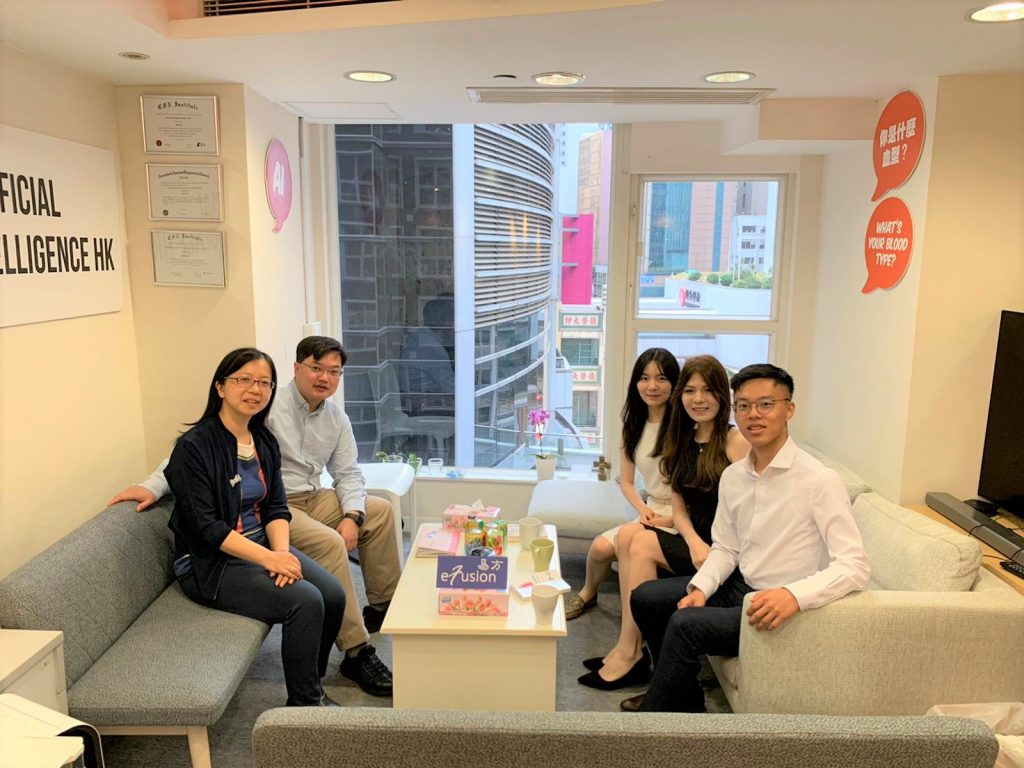
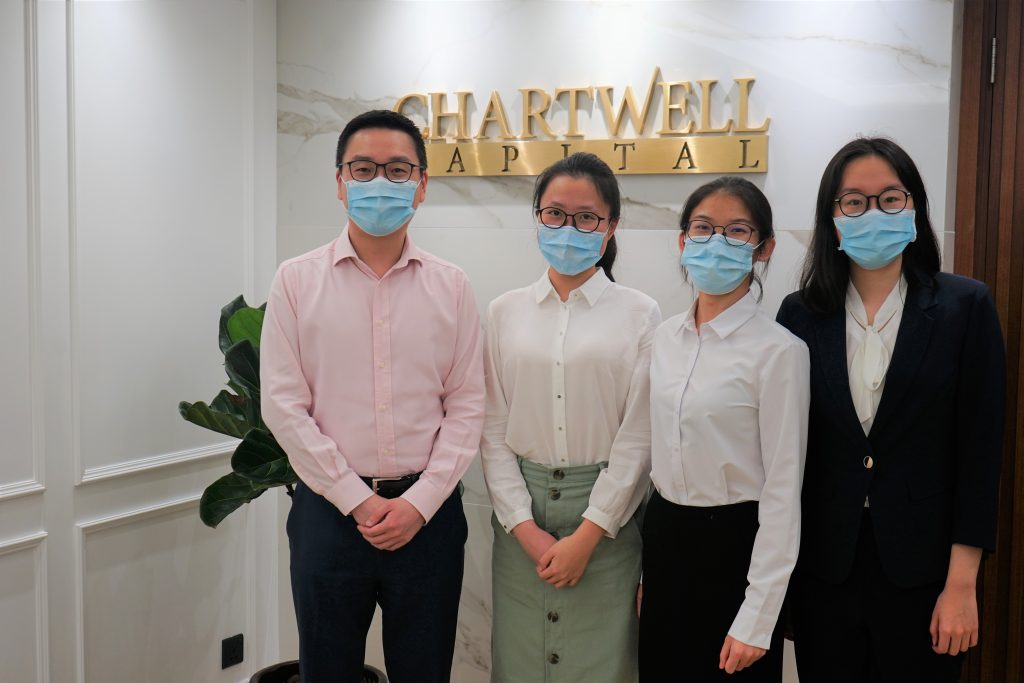
Over the past semesters, students who are majoring in Asset Management and Private Banking (AMPB), formed into groups of 3-4 students, had the opportunities to have coffee chats with financial industry practitioners from companies like Fidelity International, Julius Baer, HSBC Global Private Banking, eFusion, Chartwell Capital, etc. The event was arranged by Prof. Anna Wong, Programme Director of Bachelor of Finance in Asset Management and Private Banking.

Under the informal setting, students learned more about the current trend of the industry and the personal story of the practitioners on how they developed their career. They also had the chance to visit practitioners’ office. The event was well-received, and our students have plenty of takeaways from the visits.

Lau Yuen Ying, Year 3, AMPB student believes this opportunity can help her gain a deeper understanding of the recent trends in the private banking industry, “I thought COVID-19 pandemic would negatively affect the industry, yet, it has fostered communication with the clients and increased the transaction volume tremendously. Each client’s reaction towards the pandemic situation might be different, so they have to cater to their needs in various ways.”

Lam Hei Tung, Year 1, AMPB student thinks that this is an eye-opening experience, “The most impressive sharing in the coffee chat is how we should better equip ourselves for our future. Mr John Lo, a private banker at Bank of China International Limited, gave us insights into how the industries look like, ranging from their operation, valued qualities to promotion opportunities. I learnt a lot from John and became more clear about what I should achieve during my college years.”

e-fusion

(Second left) Mr. Frederick Wong, CFA, Founder & Chief Investment Officer of eFusion

Chartwell

(First left) Mr. Evan Ng, Head of Trading and Senior Investment Analyst of Chartwell Capital

閱讀更多

BEcon&Fin student Cheung Pak Hin wins the IB Agility Labs: Supply Chain Management

Cheung Pak Hin, a year 4 BEcon&Fin student wins in the International Business Agility Labs: Supply Chain Management, a virtual global case competition organised by the Robert H. Smith School of Business, University of Maryland during April 9 – 16, 2021. He and his team members from other universities worked together to solve a real-world business case for a Brazilian company.

 By working with working with like-minded students across continents, I realised the abilities to embrace diversity of thoughts and to speak up proactively were of paramount importance to facilitate an effective collaboration with teammates from diverse background, says Pak Hin.

The team consisted of five other business students from Mediterranean School of Business of South Mediterranean University, National University of Singapore, Vienna University of Economics and Business, and University of Maryland.

Learn more about the competition at https://go.umd.edu/AgilityLabs


閱讀更多

與資產管理及私人銀行業精英共聚圓桌分享會

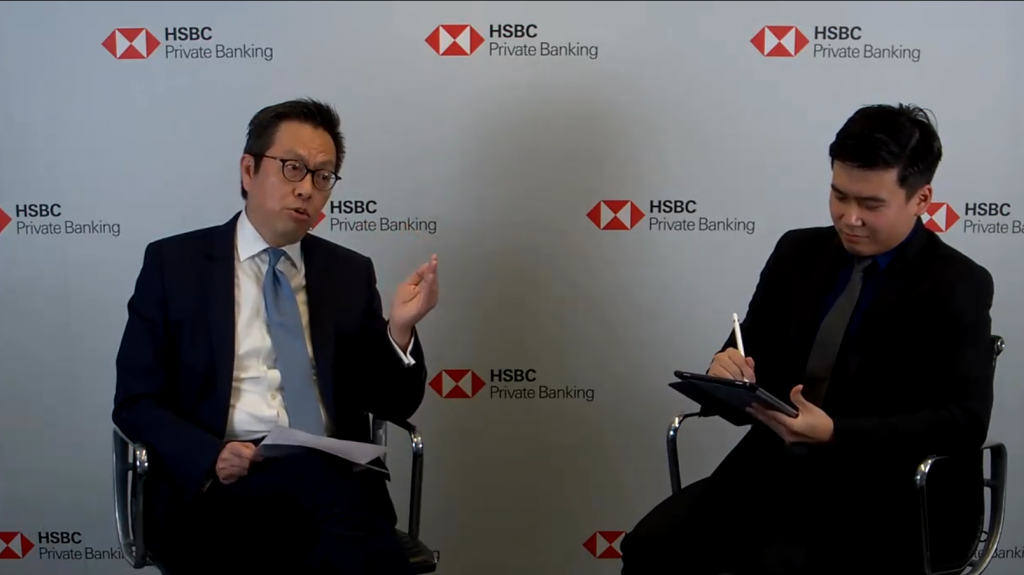
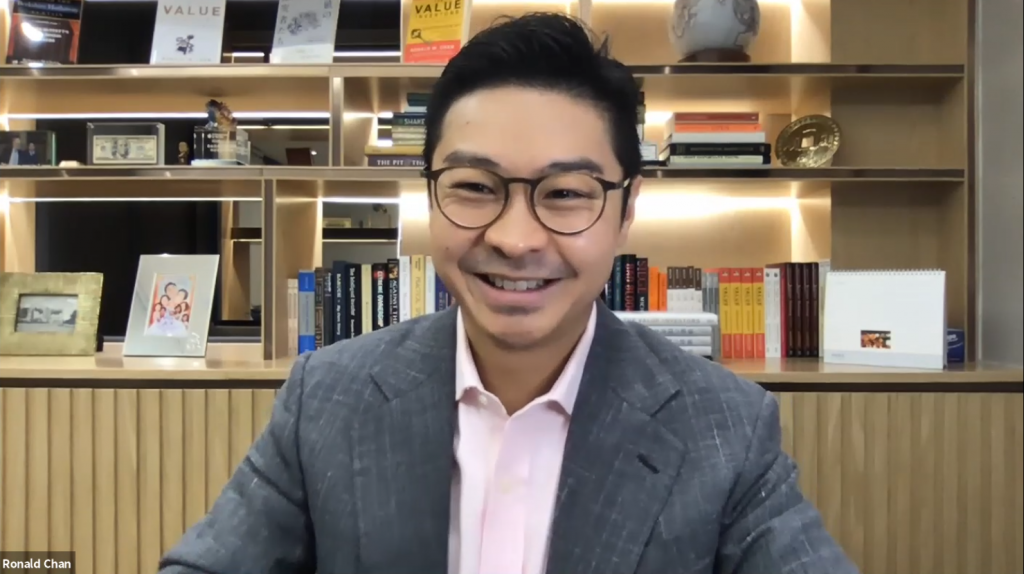
Throughout this academic year, students who are majoring in Asset Management and Private Banking had the opportunity to participate in the monthly e-roundtable series meeting Senior Executives in Asset Management and Private Banking industry virtually, including Dr. King Au, Adjunct Professor at HKU Business School and Executive Director of Financial Services Development Council (FSDC), Mr. Ronald Chan, Founder and CIO of Chartwell Capital, Ms. Janet Li, Leader of Mercer Investment Advisory Asia, Mr. Ivan Wong, Managing Director and Co-head of North Asia, HSBC Private Banking, Ms. Ronie Mak, Managing Director of RS Group, and Ms. Amy Yip, member of Board of Directors of Deutsche Borse Group (the German Stock Exchange), EFG Bank, AIA Group and Prudential. This series was arranged by Prof. Anna Wong, Programme Director of Bachelor of Finance in Asset Management and Private Banking. 

In each e-roundtable, over 50 students joined, and one of them had been selected as the student moderator for the session. Students were well prepared, raised good questions and had conversations with the guest speakers on topics including the current challenges for HK in the finance market, what is value investing, the role of institutional portfolio advising, the current challenges for private banking, the growth of family offices and the importance of sustainable financing. Guest speakers also shared their career journey and tips on developing the talents most wanted by the industry. The whole series was well received, and our students have plenty of takeaways from each guest speaker.

Roundtable sharing from the elites of asset management and private banking

(From left) Mr. Ivan Wong of HSBC Private Banking; Mr. Tony Au of HKU Business School


Roundtable sharing from the elites of asset management and private banking

Mr. Ronald Chan of Chartwell Capital

閱讀更多