
4th Annual Conference on
China and the Global Economy
November 27-28, 2026 | 9:00 a.m. – 4:30 p.m.
Location: The University of Hong Kong
Organizer: HKU Business School
Call for Papers
The 4th Annual Conference on China and the Global Economy will be held on November 27-28, 2026, at the HKU Business School. The annual conference is sponsored by the Institute of China Economy (ICE) at the HKU Business School. The objective of the conference is to create a forum to discuss new economic research on China and its relationship with the global economy.
We welcome papers in all areas of economics relating to China and the global economy. Submissions must consist of either a full paper (preferred) or an extended abstract and should be submitted in PDF format to the Conference Maker at Conference Maker Page Link.
For information about our previous annual conferences, please refer to the following link: https://ice.hkubs.hku.hk/home/events/annual-conference-on-china-and-the-global-economy/
Submission Deadline: August 1, 2026
Notice of Acceptance: August 15, 2026 (only accepted authors will be notified.)
Expenses: The Organiser will provide economy class airfare and up to three nights of hotel for paper presenters.
Organizing Committee
Hongbin Cai (Chair of organizing committee), HKU Business School
Bingjing Li, HKU Business School
Guojun He, HKU Business School
Yanhui Wu, HKU Business School
Hongsong Zhang, HKU Business School
Xiaodong Zhu, HKU Business School
Contact
Please contact the Institute of China Economy at iceinfo@hku.hk for enquiries.
About
The 4th Annual Conference on China and the Global Economy will be held on November 27-28, 2026, at the HKU Business School. The annual conference is sponsored by the Institute of China Economy (ICE) at the HKU Business School. The objective of the conference is to create a forum to discuss new economic research on China and its relationship with the global economy.
Details are as follows:
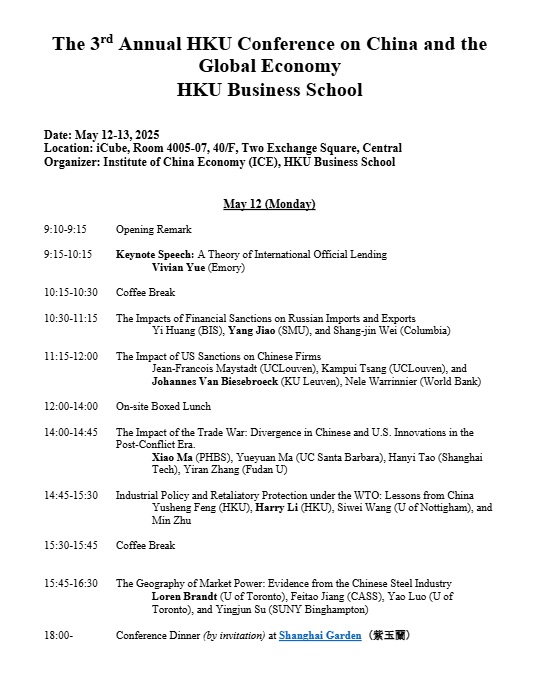
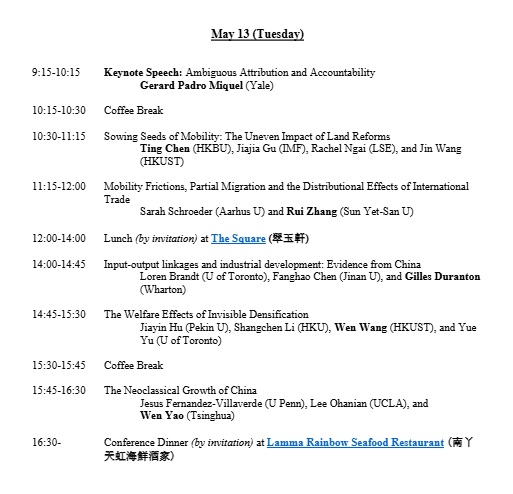
Date and Time: | May 12, 2025 (Monday) 9:00 a.m. – 4:30 p.m. May 13, 2025 (Tuesday) 9:00 a.m. – 4:30 p.m. |
Venue: | HKU iCube, Room 4005-07, 40/F, Two Exchange Square, 8 Connaught Place, Central |
Language: | English |
*Registration: | Registration closed. |
*Remarks: | Lunch and dinner were by invitation. Participants were responsible to cover the passage and accommodation costs. |
Top Global Scholars Gather at HKU to Chart China’s Role in a Shifting World Economy
Annual Conference on China and the Global Economy 2026 Explores Trade Wars, Industrial Policy, and Geoeconomics Challenges
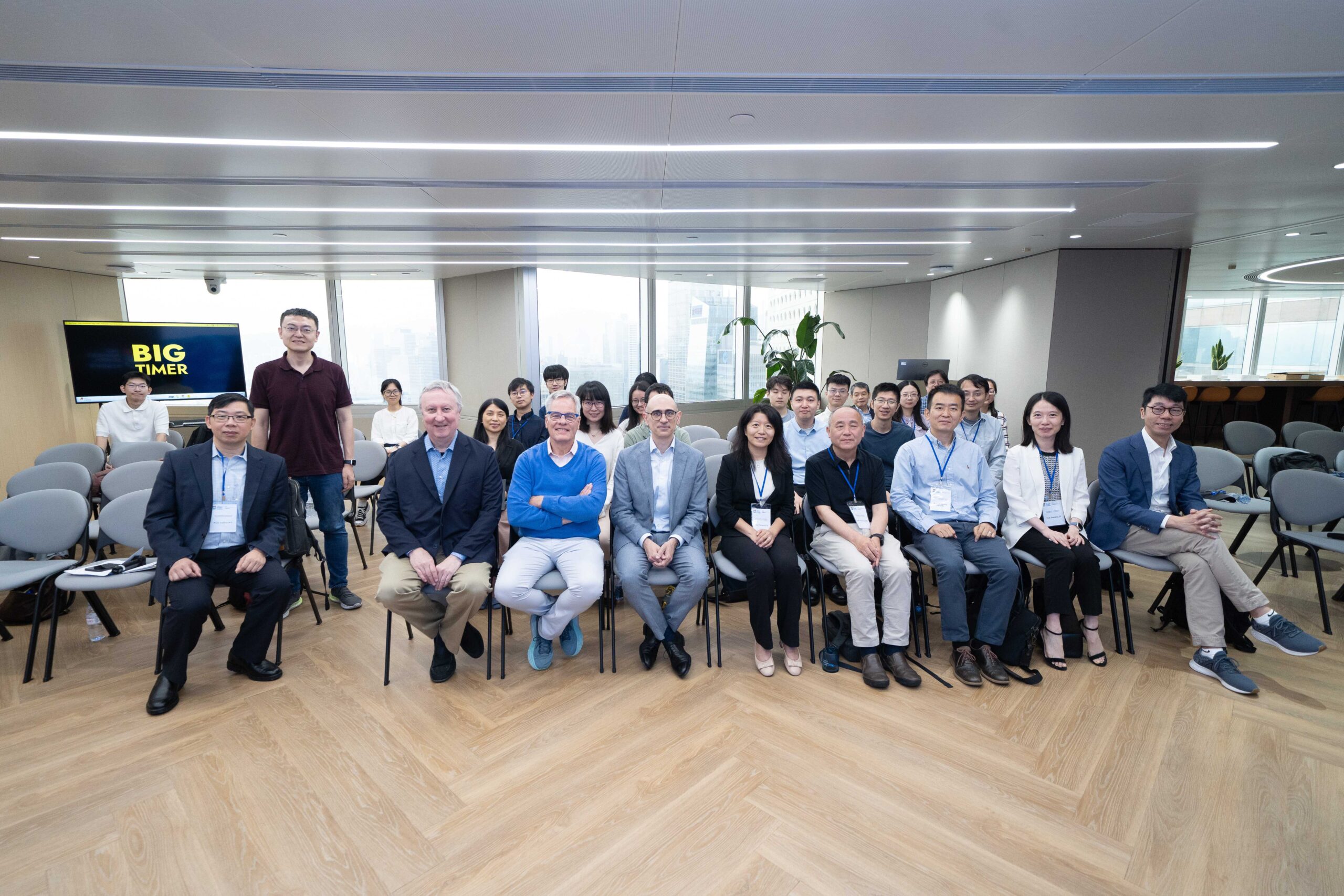
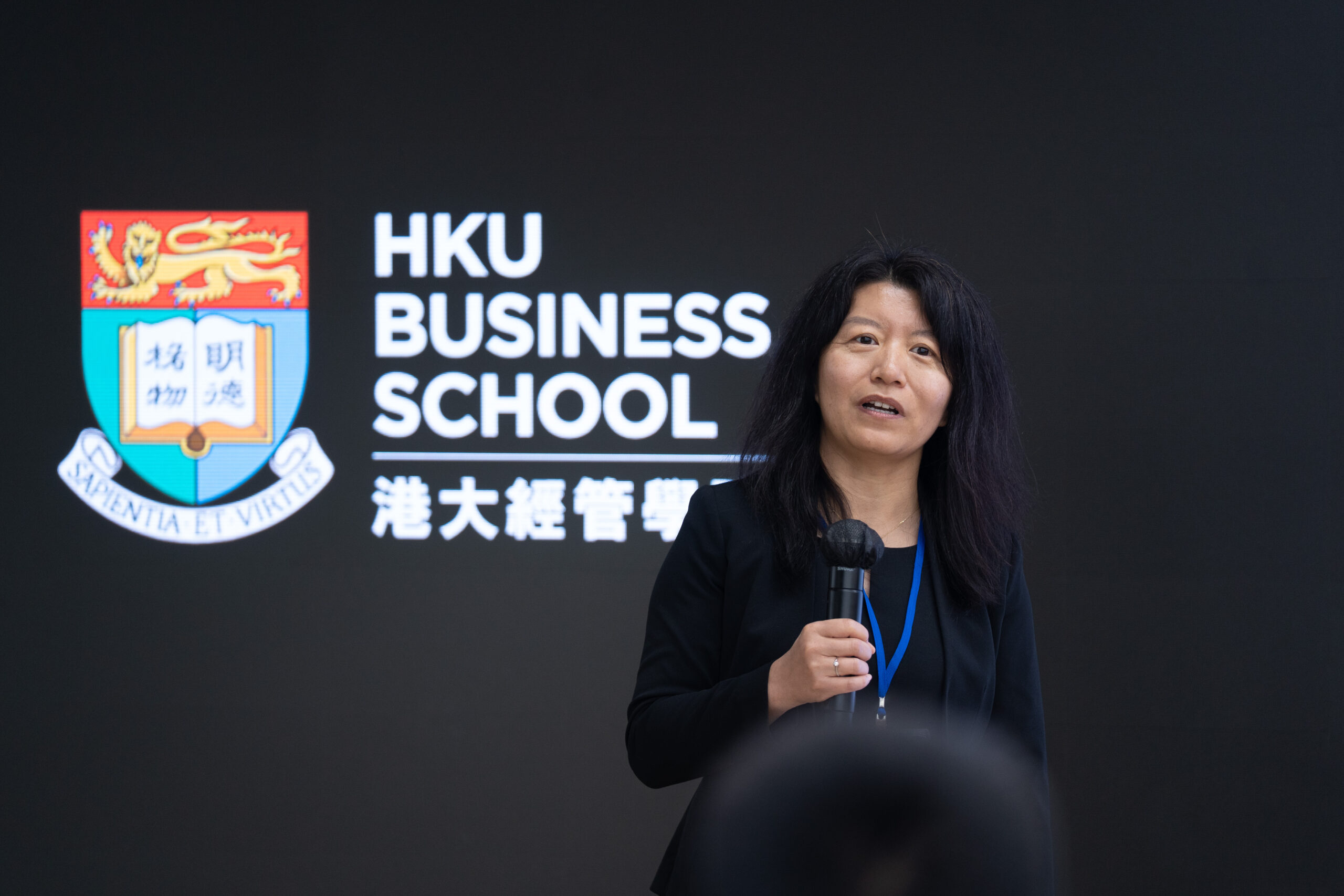
Hong Kong, May 21, 2025 – The Institute of China Economy (ICE) at HKU Business School successfully hosted its Annual Conference on China and the Global Economy 2026 from May 12–13, 2025, at iCube in Central Hong Kong. The event convened over 100 scholars, policymakers, and industry leaders from 15 countries to address pressing challenges in global economic governance, with a focus on China’s evolving strategic role in an era of geopolitical fragmentation and technological rivalry.
Event Highlights
Keynote Insights
Vivian Yue (Emory University) – “A Theory of International Official Lending”
Official lending by governments and multilateral institutions has emerged as a critical tool for crisis response, exemplified by China’s rise as a leading global creditor. Yue’s framework revealed how strategic alignment of debt allocation can enhance welfare in developing economies, though reforms are needed to address imbalances in multilateral governance.
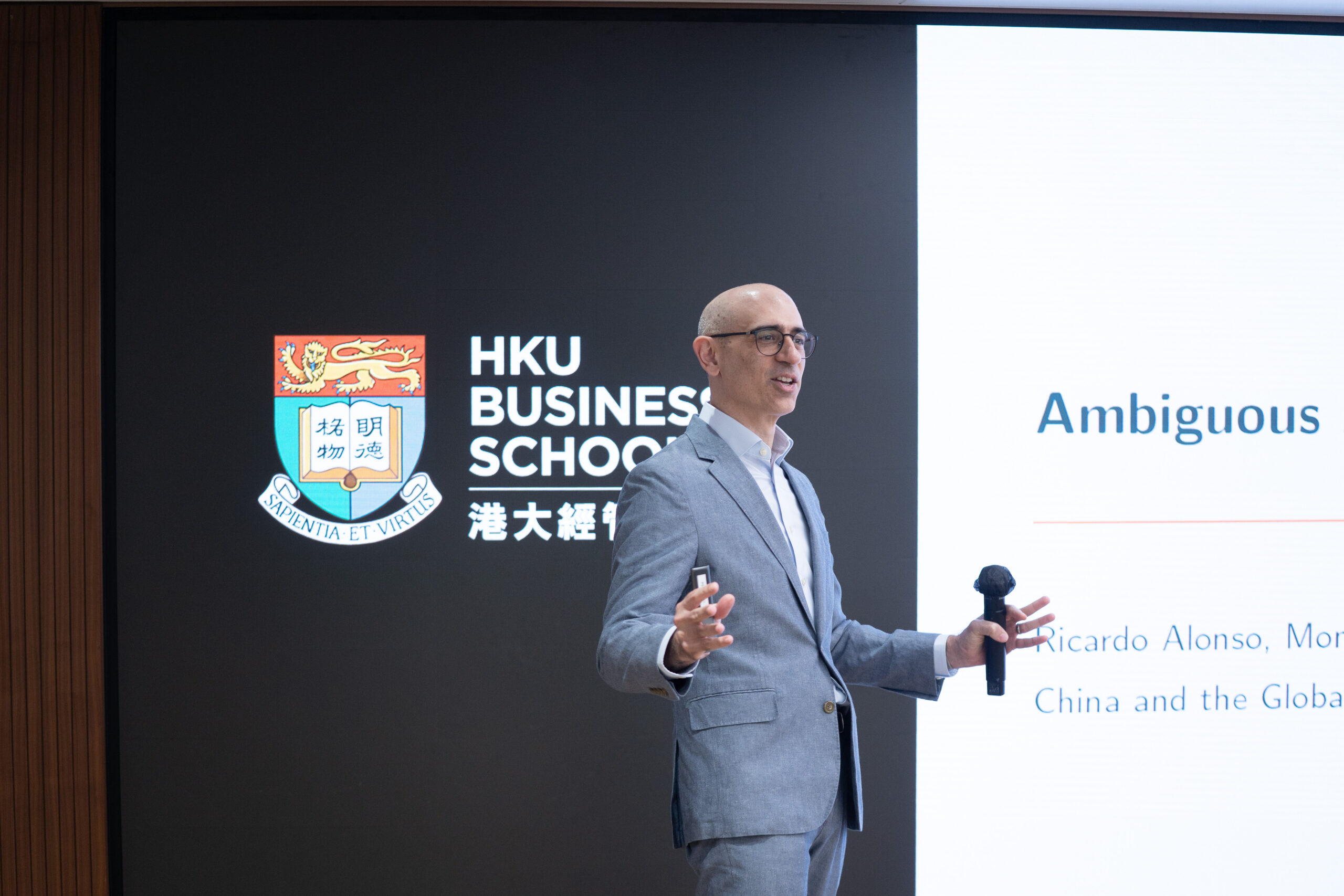
Gerard Padro Miquel (Yale University) – “Ambiguous Attribution and Accountability”
Drawing from a 2023 Spanish election experiment, Padro Miquel demonstrated that institutional ambiguity fuels partisan biases, undermining democratic accountability. Clearer responsibility attribution and actor-specific data are essential to depolarize policymaking and restore public trust.
Breakthrough Research
- Trade Wars & Sanctions
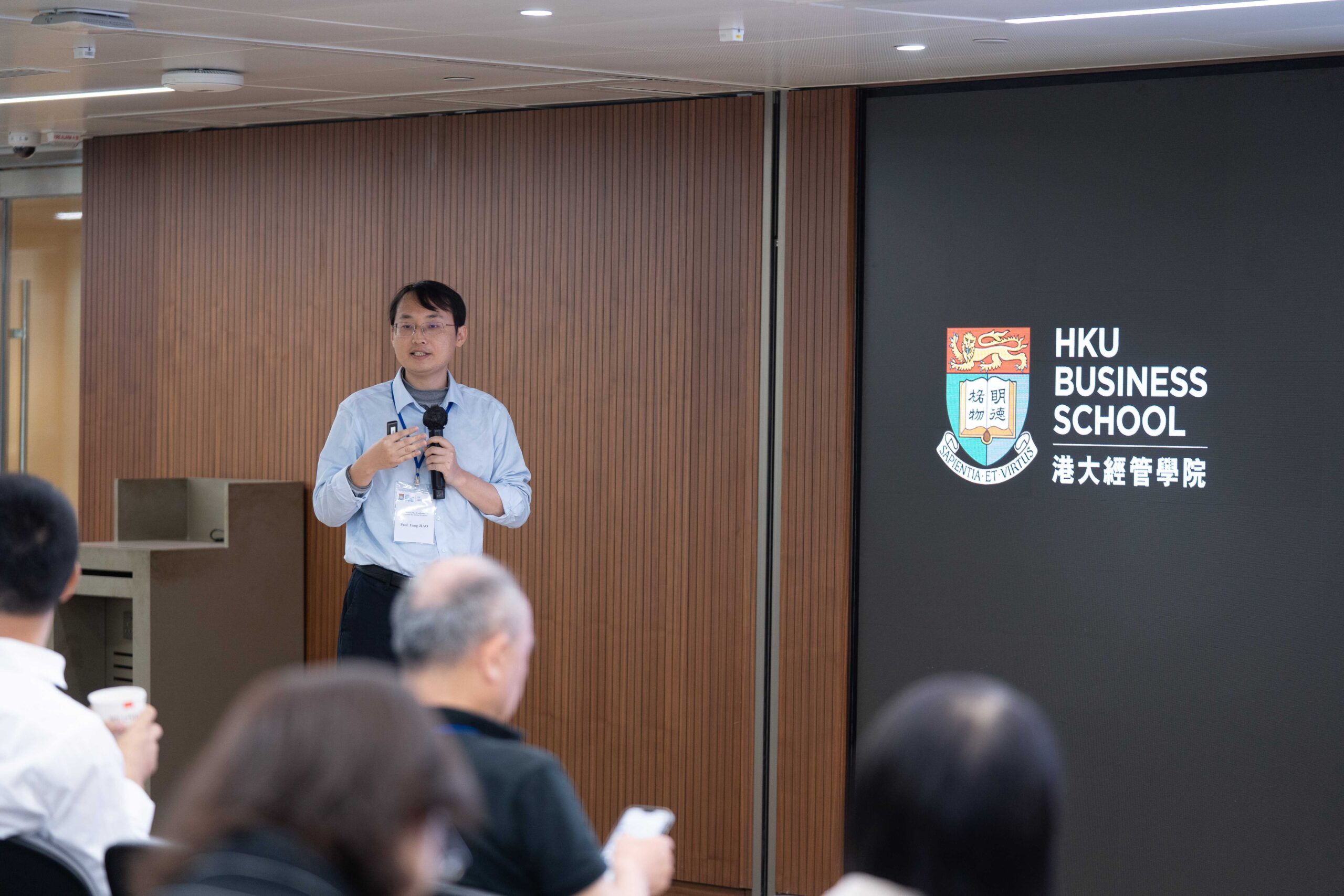
Yang Jiao (SMU) showed that Western financial sanctions (e.g., SWIFT exclusion) reduced Russia’s trade with both Western and non-Western nations, but alternative payment systems (e.g., China’s CIPS) softened the blow in non-aligned economies.
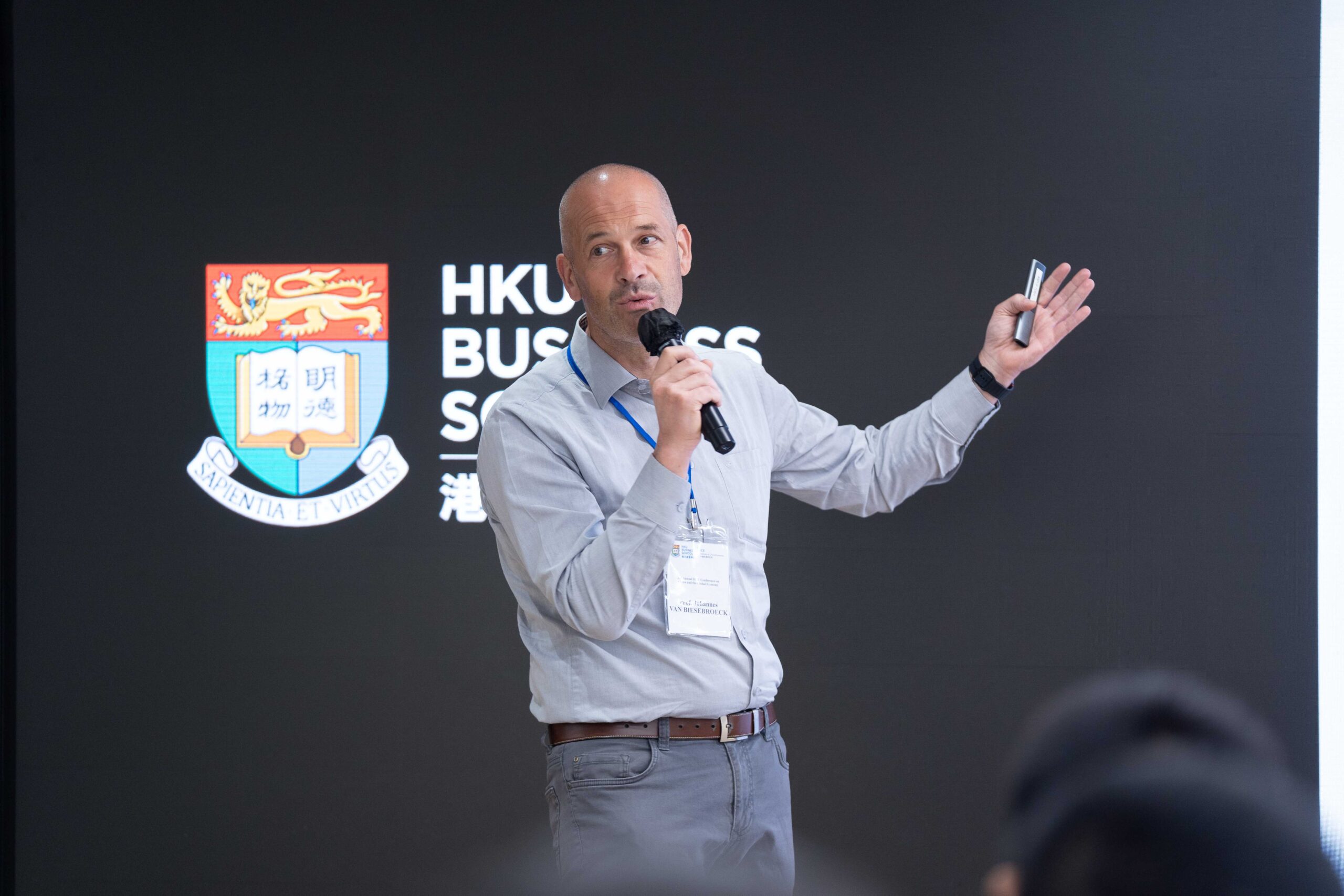
Johannes Van Biesebroeck (KU Leuven) found U.S. sanctions caused a 2% permanent market value loss for targeted Chinese firms, though operational resilience and selective government support mitigated long-term impacts.
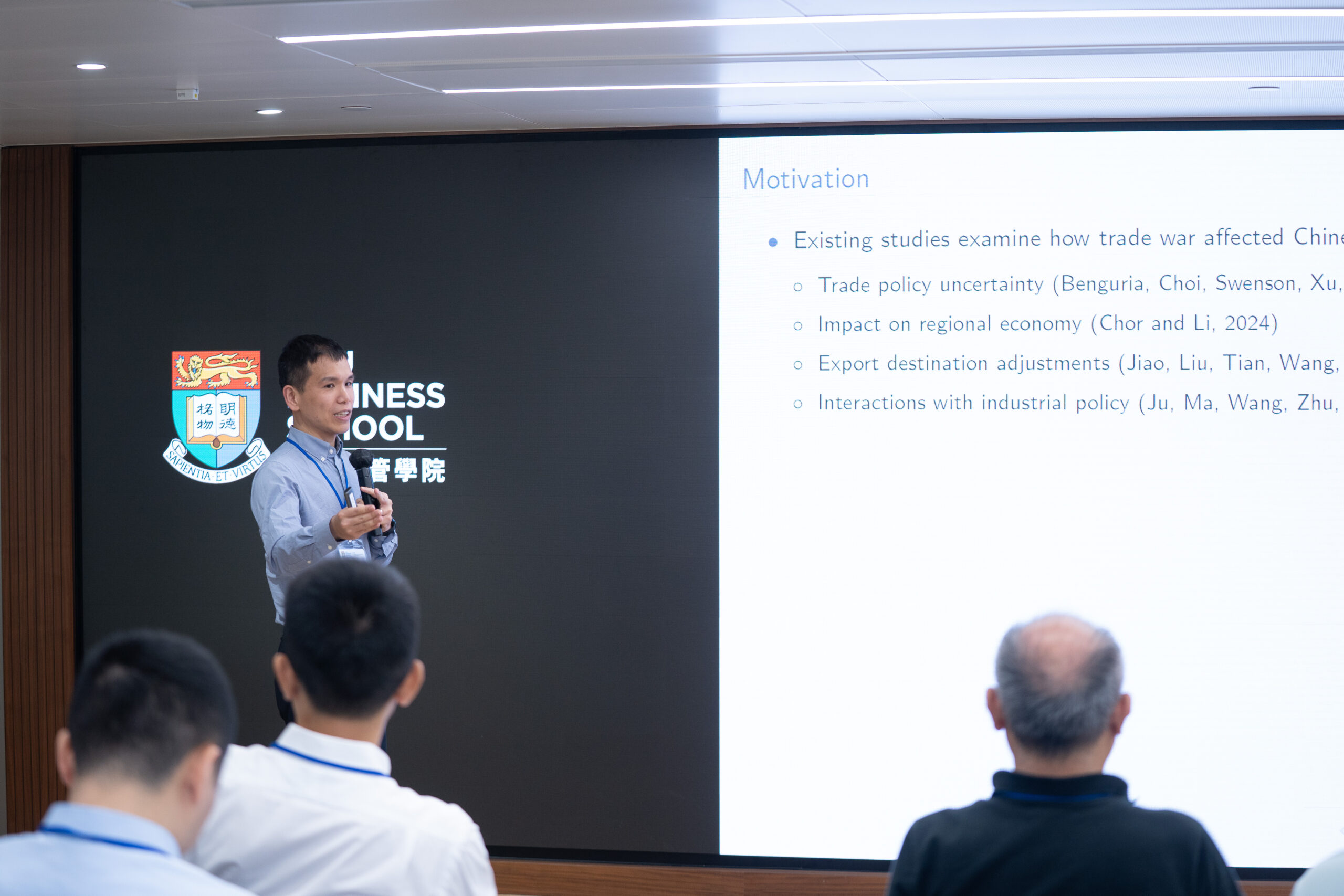
Xiao Ma (PHBS) linked the U.S.-China trade war to a 28% decline in patent similarity between the two nations, as tariffs redirected Chinese R&D toward domestic and alternative markets.
- Industrial Policy & Domestic Reforms
Harry Li (HKU) exposed hidden costs of China’s industrial subsidies: WTO-permitted retaliatory tariffs offset 22% of sales gains, urging recalibration of state support strategies.
Loren Brandt (U of Toronto) mapped geographic disparities in China’s steel industry, revealing how local protectionism and ownership barriers hinder restructuring despite overcapacity.
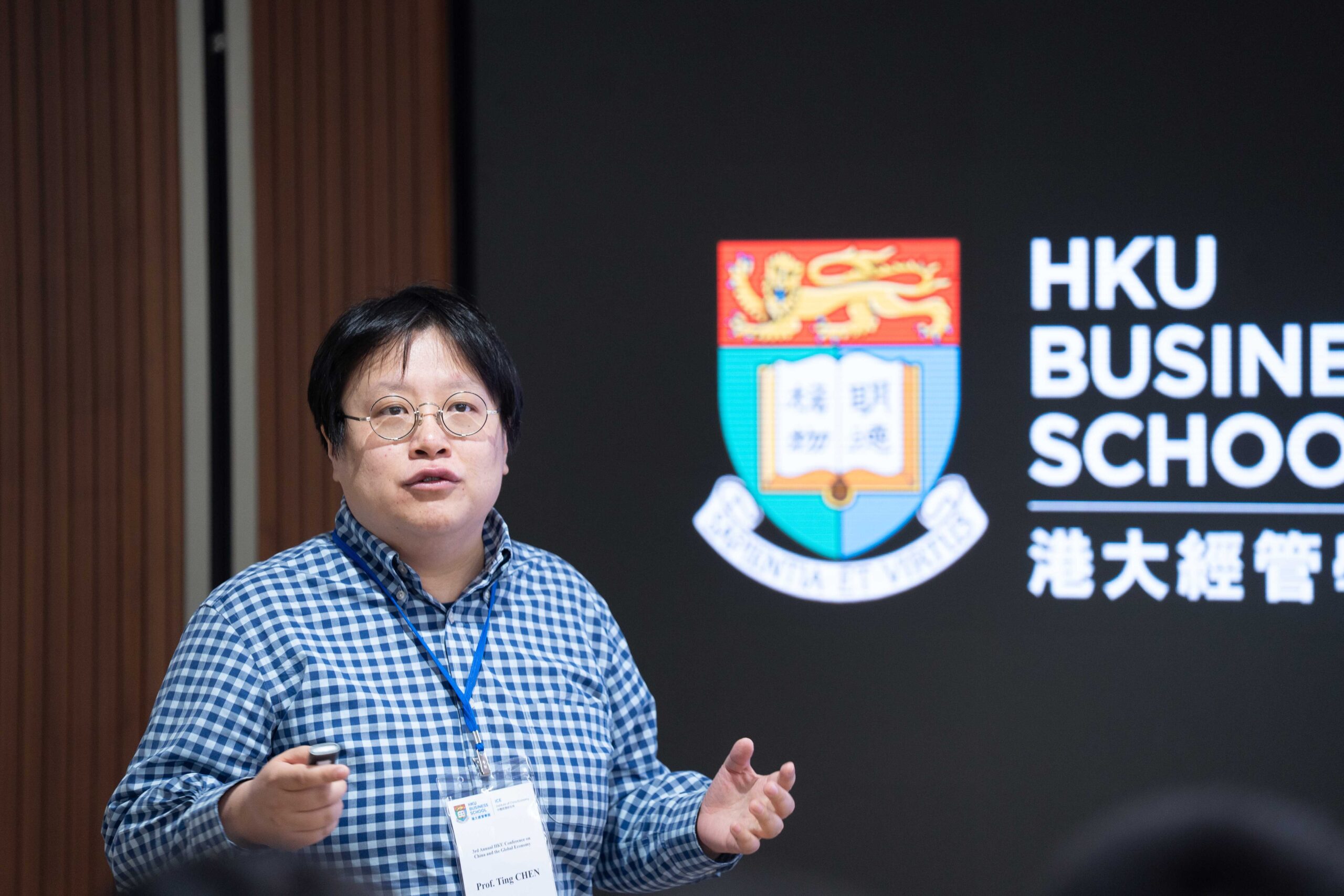
Chen Ting (HKBU) analyzed land reforms’ gendered impacts: rural women transitioned out of agriculture, while urban women faced widening wage gaps, underscoring uneven policy outcomes.
- Migration, Housing & Growth
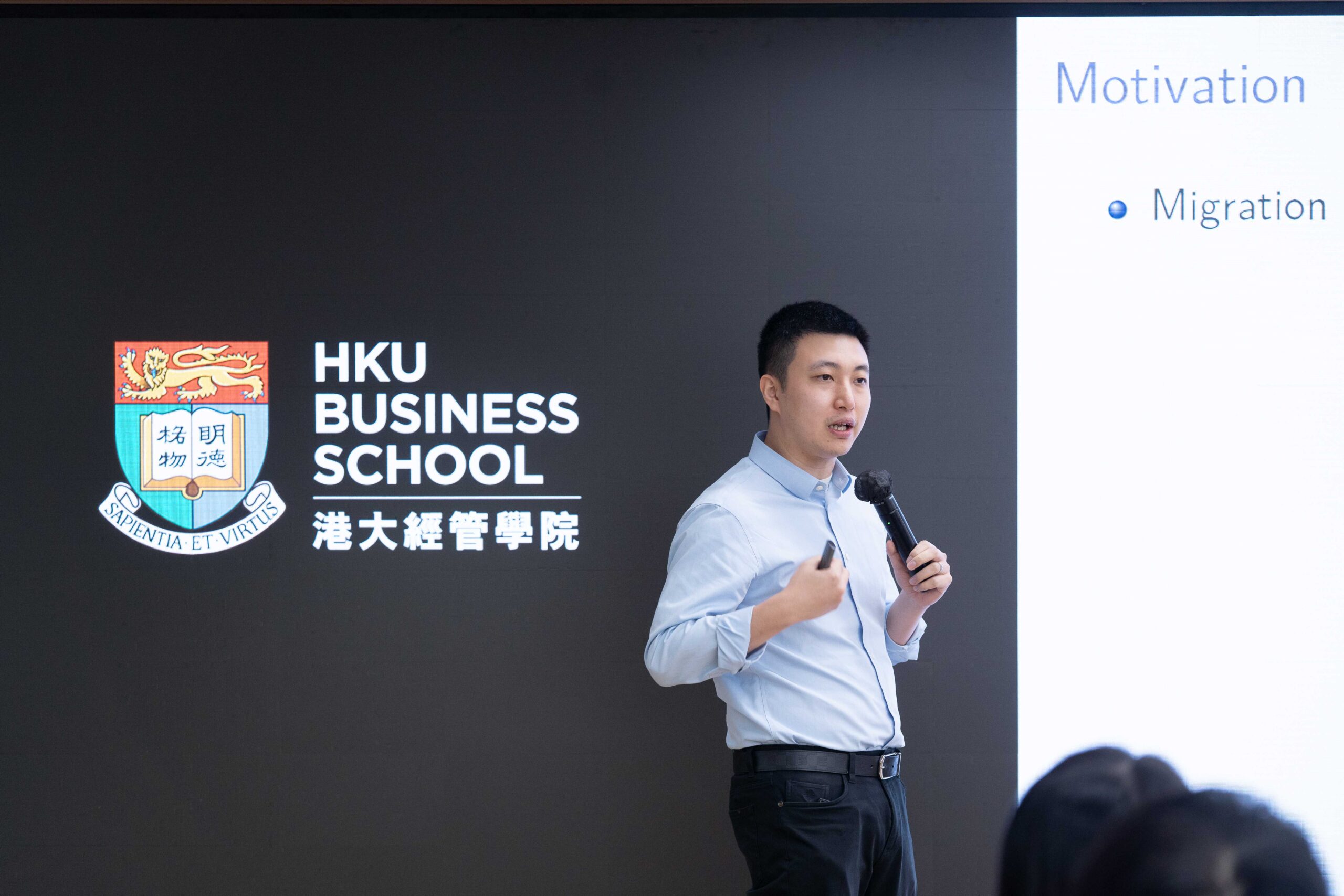
Zhang Rui (Sun Yat-Sen U)demonstrated that remittances (24% of migrants’ income) alleviate trade-induced inequality, but region-specific “friendliness” metrics are vital to equitable policy design.
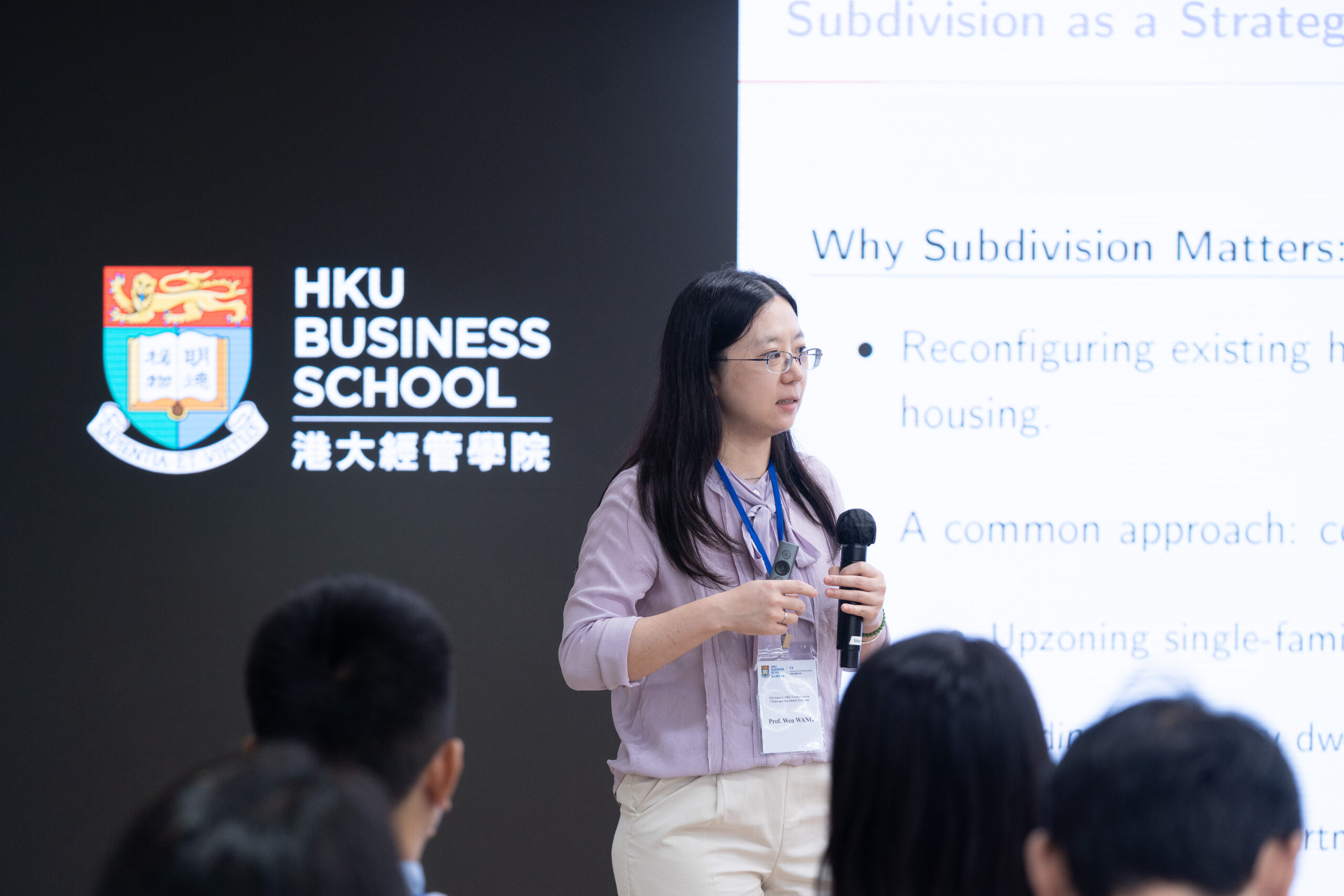
Wang Wen (HKUST) warned that housing subdivision, while boosting affordability, risks displacing low-income tenants unless paired with targeted zoning and amenity investments.
Wen Yao (Tsinghua) redefined China’s growth through a neoclassical model, attributing post-2009 slowdowns to institutional inefficiencies rather than pure economic factors.
Global Impact & Policy Relevance
The conference underscored three critical themes:
- Geoeconomic Fragmentation: Sanctions and trade wars are reshaping global networks, with non-Western financial systems (e.g., RMB, CIPS) gaining strategic traction.
- Domestic-International Nexus: China’s industrial and migration policies have ripple effects on global trade, inequality, and institutional accountability.
- Data-Driven Governance: Novel metrics—from patent similarity indices to regional “friendliness” scores—are essential to decode complex economic interactions.
About the Organizer
The Institute of China Economy (ICE) at HKU Business School is a leading research hub dedicated to advancing rigorous analysis of China’s economic development and its global implications. Through conferences, policy briefs, and cross-sector collaboration, ICE bridges academia, governments, and industry to foster evidence-based dialogue.
Keynote Speakers
(Surname in alphabetical order)

Slater Family Professor in Behavioral Economics
Boston University
Bio
Ray Fisman holds the Slater Family Chair in Behavioral Economics at Boston University. Previously, he was the Lambert Family Professor of Social Enterprise and co-director of the Social Enterprise Program at Columbia University’s business school. His research focuses primarily on money in politics and corruption. His work has appeared in leading economics journals including the American Economic Review, Journal of Political Economy, and Quarterly Journal of Economics, and it has been widely covered in the popular press, in such outlets as the New York Times, Wall Street Journal, Financial Times, the Economist, and the Washington Post. He is the author of a number of books that aim to bring economic research to a wider audience, most recently Risky Business (with Liran Einav and Amy Finkelstein) on the economics of selection markets; his book on the economics of business social responsibility is forthcoming from Yale University Press in 2026.
David Rubenstein Distinguished Professor of Economics
Duke University
Bio
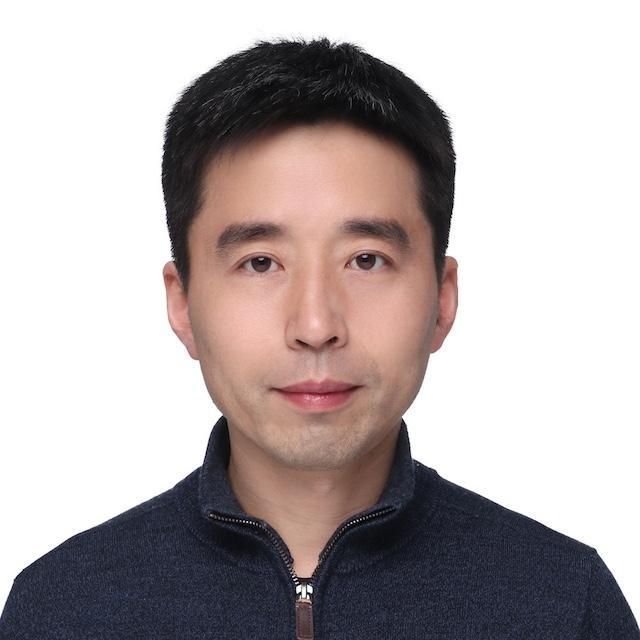
Daniel Yi Xu is the David Rubenstein Distinguished Professor of Economics at Duke University, a Faculty Research Associate at the National Bureau of Economic Research, a Research Fellow at the Center for Economic Policy Research, and a Senior Fellow at the Asian Bureau of Finance and Economic Research.
His research focuses on the intersection of productivity, international trade, and industrial organization. Professor Xu’s current research agenda involves the use of large-scale microdata to model and estimate a broad range of dynamic individual firm decisions and to examine how these decisions impact resource allocation, industry performance, and economic growth, particularly in developing and emerging economies.
His most recent work has been published in leading economics journals, including the American Economic Review, Journal of Political Economy, Review of Economic Studies, RAND Journal of Economics, Review of Economic Dynamics, and Management Science. Professor Xu is currently a co-editor of the American Economic Journal: Microeconomics and an associate editor of the RAND Journal of Economics. He previously served as co-editor for the Review of Economics and Statistics and the Journal of Development Economics. Additionally, he has been an associate editor for the American Economic Journal: Applied, Economic Journal, Journal of Industrial Economics, Journal of International Economics, Quantitative Economics, and the Review of Economics and Statistics.
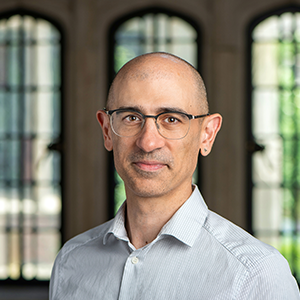
Professor Gerard Padró i Miquel
Samuel C. Park Jr (B.A. 1925) Professor of Economics and Political Science
Yale University

Professor Vivian Yue
Samuel Candler Dobbs Professor of Economics
Emory University
Programme Rundown
Day 1: May 8, 2023 (Monday) – Applied Micro
08:15 – 08:50
Registration
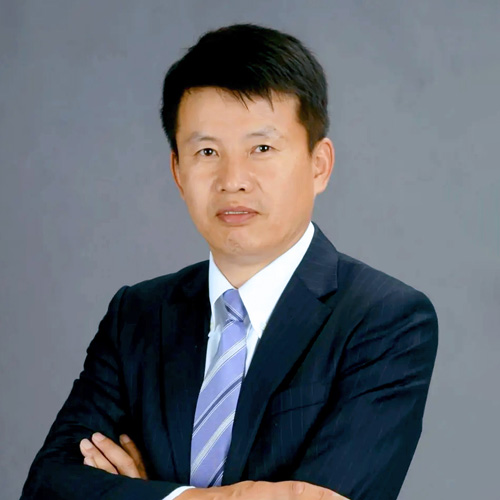
08:50 – 09:00
Welcome Speech by Professor Hongbin Cai, Dean of HKU Business School

09:00 – 10:00
Keynote Speech by Professor Michael Greenstone (via Zoom), University of Chicago
“Can Pollution Markets Work in Developing Countries? Experimental Evidence from India”
10:00 – 10:20
Coffee Break and Group Photo
Session 1: Environment
10:20 – 11:10
Yu-Hsiang Lei, Yale-NUS College
“Dams, International Rivers and Climate Change: The Impacts of Chinese Dams on the Mekong River”
11:10 – 12:00
Aaron Yoon, Northwestern University
“Green financing and politicians’ incentives: Evidence from proprietary loan assessment data”
joint with Meng Lyu, George Y. Yang, Hongqi Yuan
Organising Committee
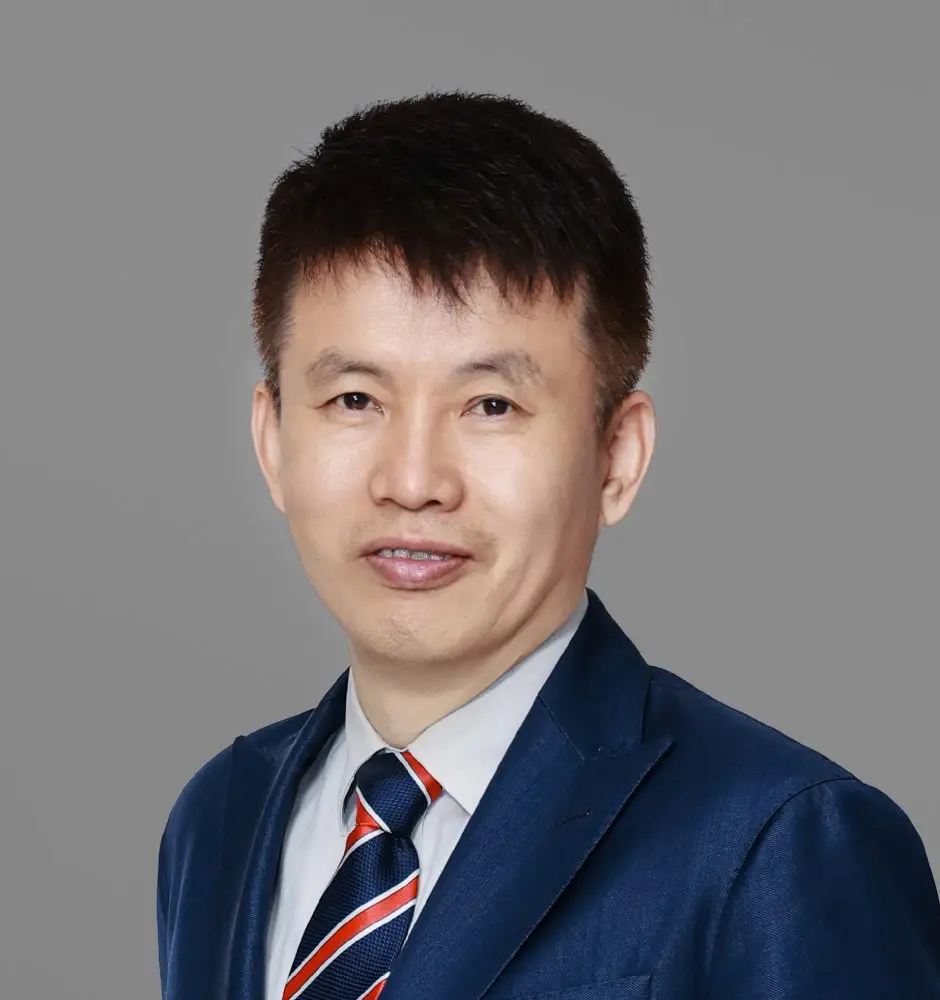
Hongbin CAI
Chair of organizing committee
Dean
Chair of Economics
HKU Business School
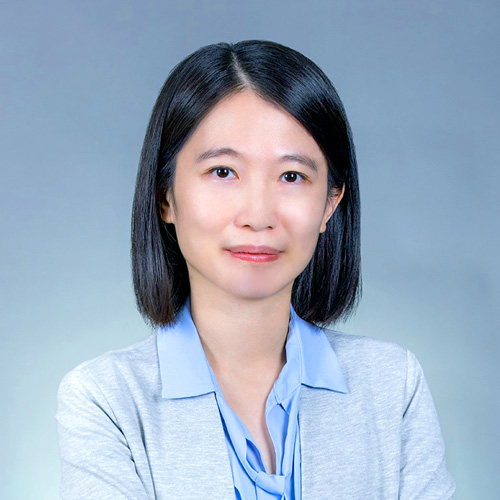
Bingjing LI
Associate Professor of Economics
HKU Business School
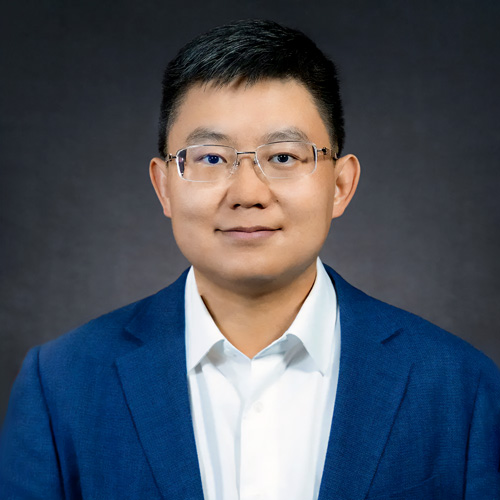
Professor of Economics and Management & Strategy
HKU Business School
HKU Business School
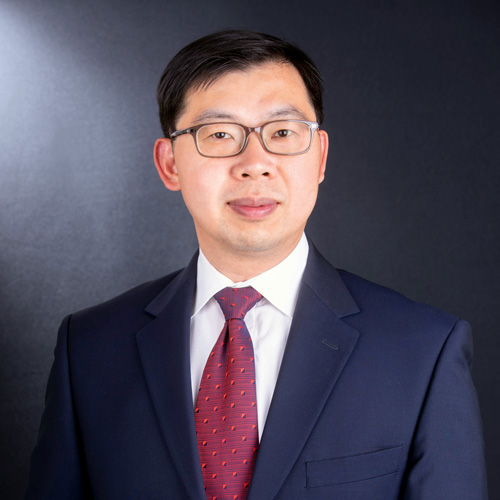
Yanhui WU
Professor of Economics and Management & Strategy
HKU Business School

Hongsong ZHANG
Associate Professor of Economics
HKU Business School
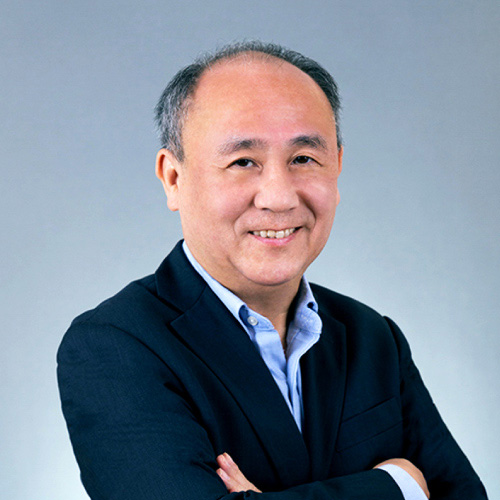
Xiaodong ZHU
Area Head of Economics
Professor of Economics
HKU Business School
Contact
Please contact the Institute of China Economy at iceinfo@hku.hk for enquiries.